





Revisit the original decision
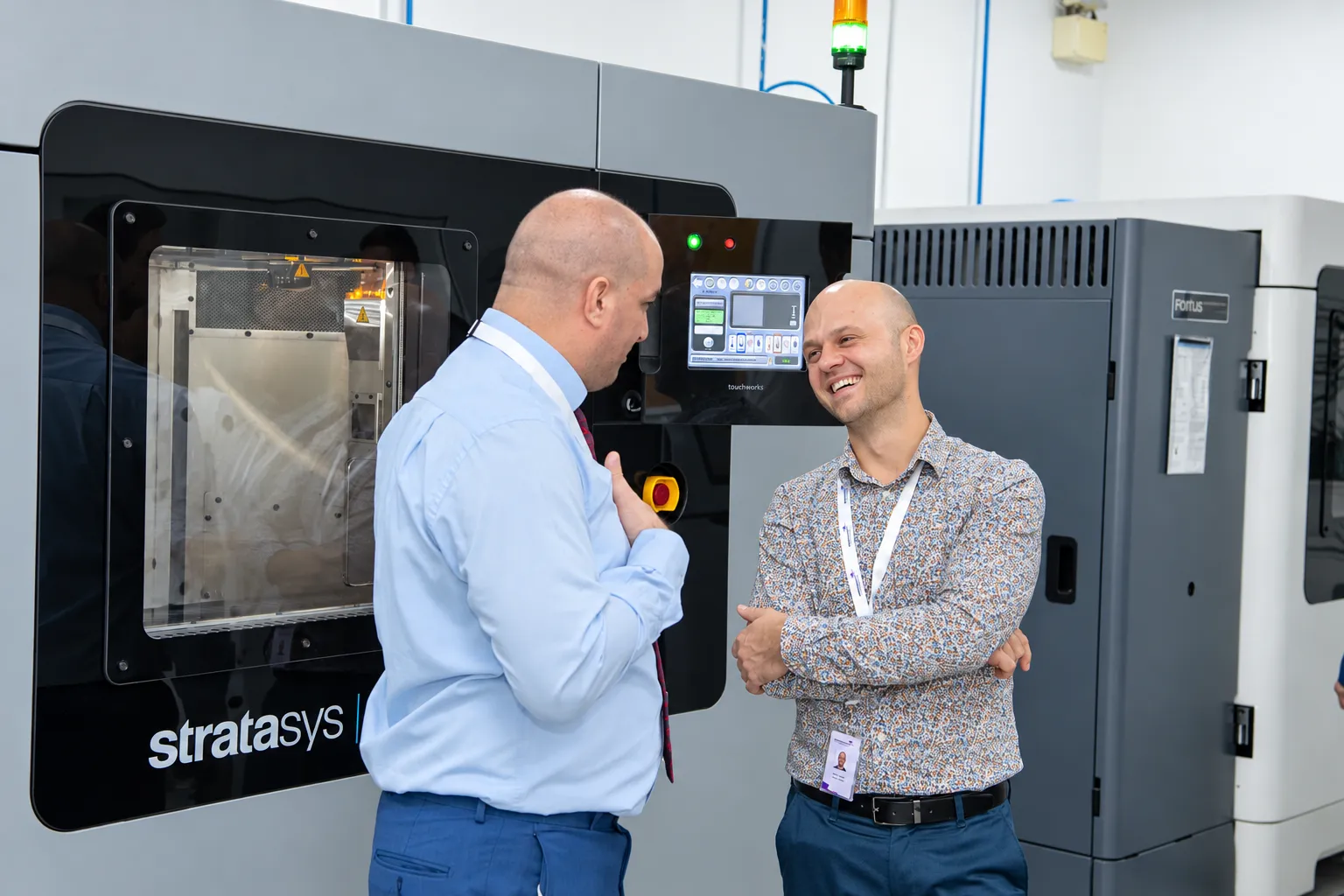
A cabin part that was rejected for additive manufacturing years ago may still be unsuitable today.
But it should not remain rejected simply because nobody has reviewed the case since then.
Many earlier “no-go” decisions were reasonable. The available material may not have met the requirement. The surface result may have been unacceptable for a visible cabin application. Production economics, mechanical performance, or achievable geometry may also have ruled out the case.
Those decisions were based on the capabilities available at the time.
A broader range of options
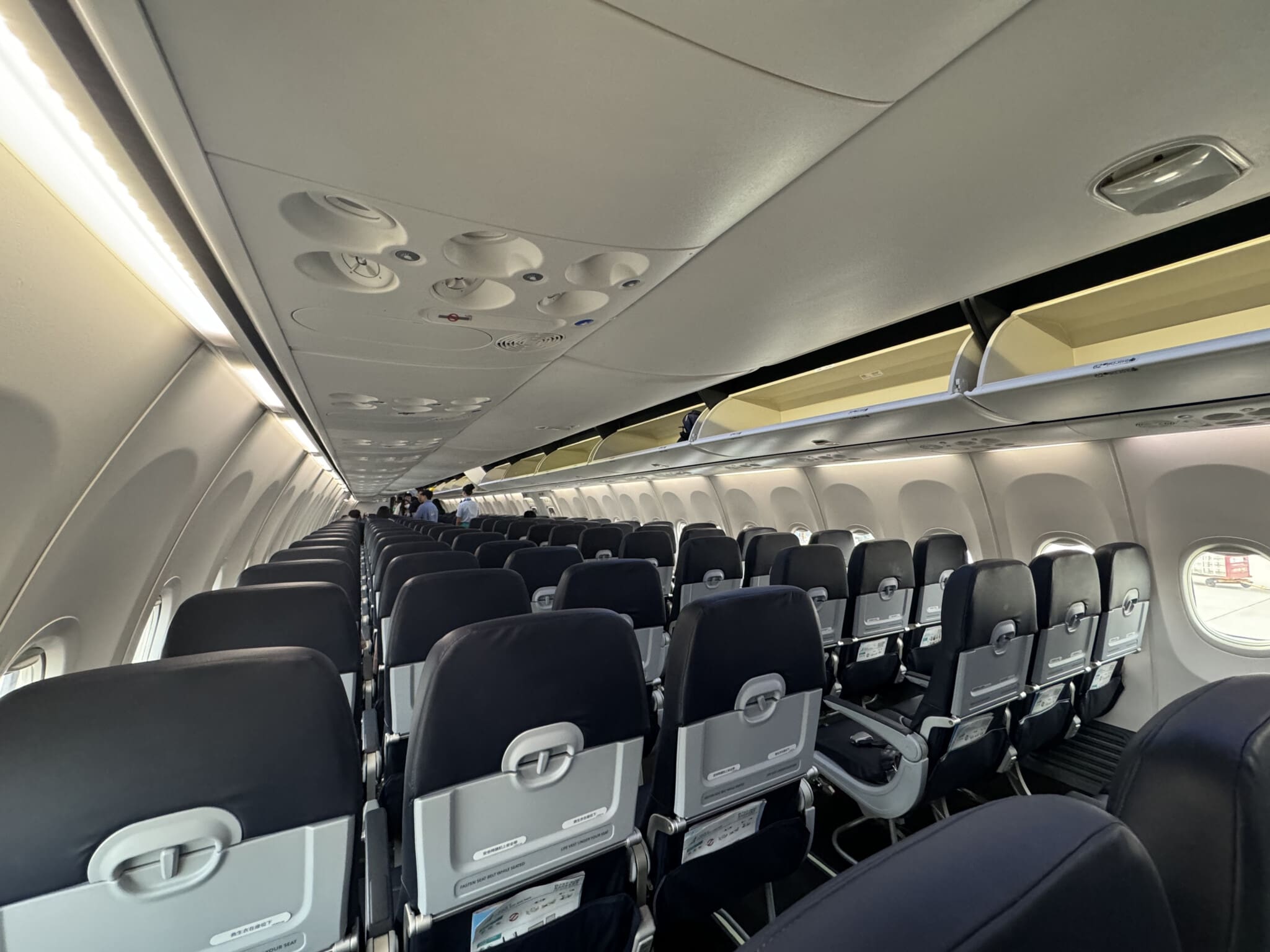
The polymer AM landscape is now broader. Material extrusion remains an important production route, but it is no longer the only serious option. Powder-based processes offer different material behaviour and production characteristics, while certain resin-based technologies have also moved further into industrial end-use applications.
This does not mean that every previously rejected component has suddenly become suitable.
A material datasheet, improved printer, or flame-retardant classification does not make an aircraft part approved. The finished component still has to be assessed against its installation, expected service conditions, required finish, production process and applicable aviation requirements.
What has changed is the range of options available for that assessment.
Start with the unresolved requirement
A visible passenger contact component may place greater emphasis on surface quality and resistance to wear. Another requirement may be driven by mechanical performance, geometry, weight, or recurring production quantity. These differences matter because the most appropriate material and process will not be the same for every part.
The operator does not need to select the polymer or printing technology.
The useful input from the operator is the unresolved requirement: a part that continues to fail, cannot be sourced reliably, has an unrealistic minimum order, or remains unavailable within the required lead time.
Assess within the approval framework
An experienced production and design team can then review whether the technical position has changed and whether a credible route now exists within the appropriate approval framework.
EASA’s current additive manufacturing certification memorandum covers both metallic and non-metallic AM technologies. It reinforces that AM must be considered within the applicable certification basis rather than treated as an automatic route to part approval.
For the operator, the practical point is that if a cabin requirement was screened out several years ago, the original reason for rejection should be checked. If the decision was driven by a limitation in the available material, process, finish, or production capability, that limitation may no longer be the same.
Technical history, not a permanent answer
An old “no-go” is useful technical history.
It should not automatically become a permanent answer.


