Industrial 3D printing.Polymer and metal.
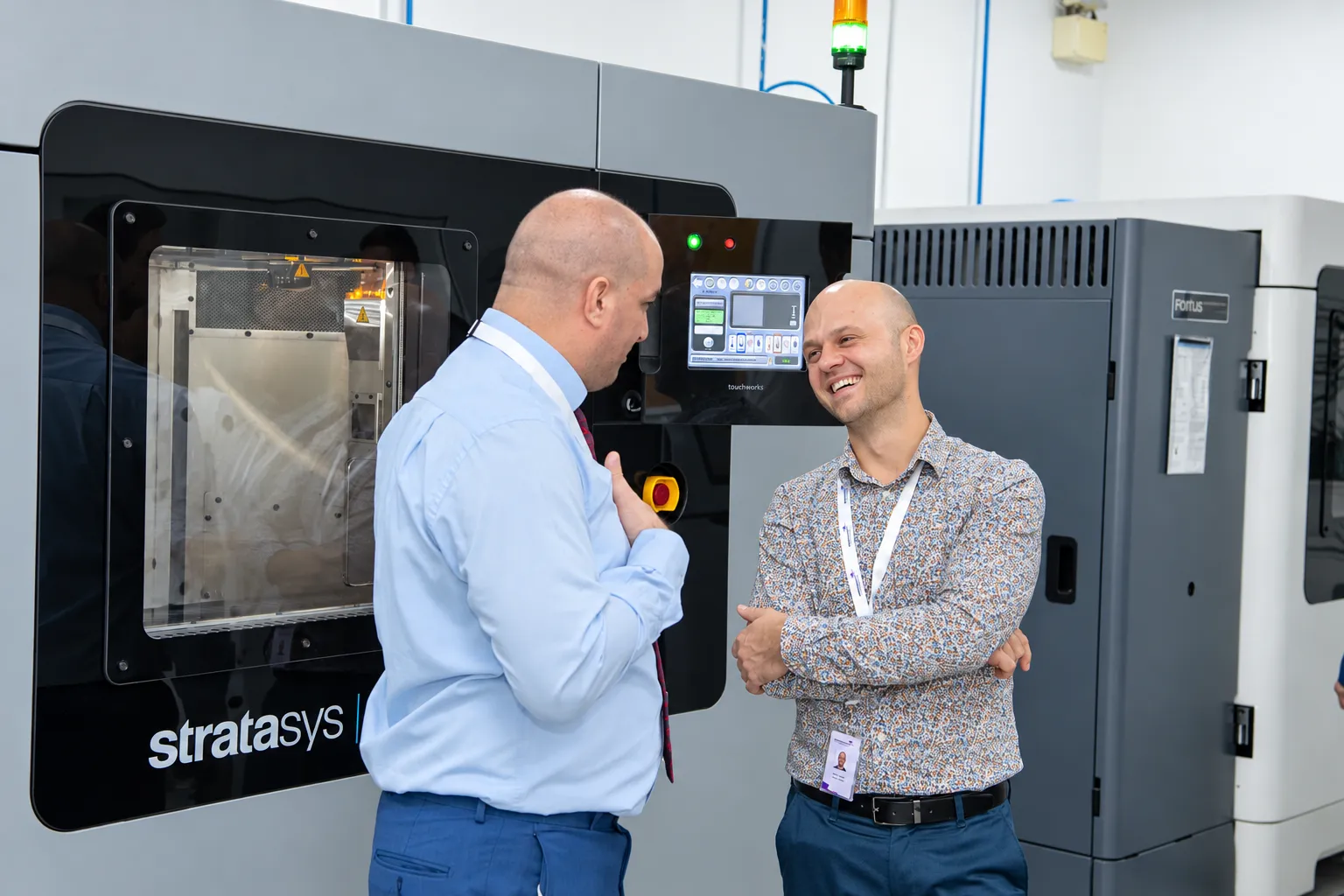
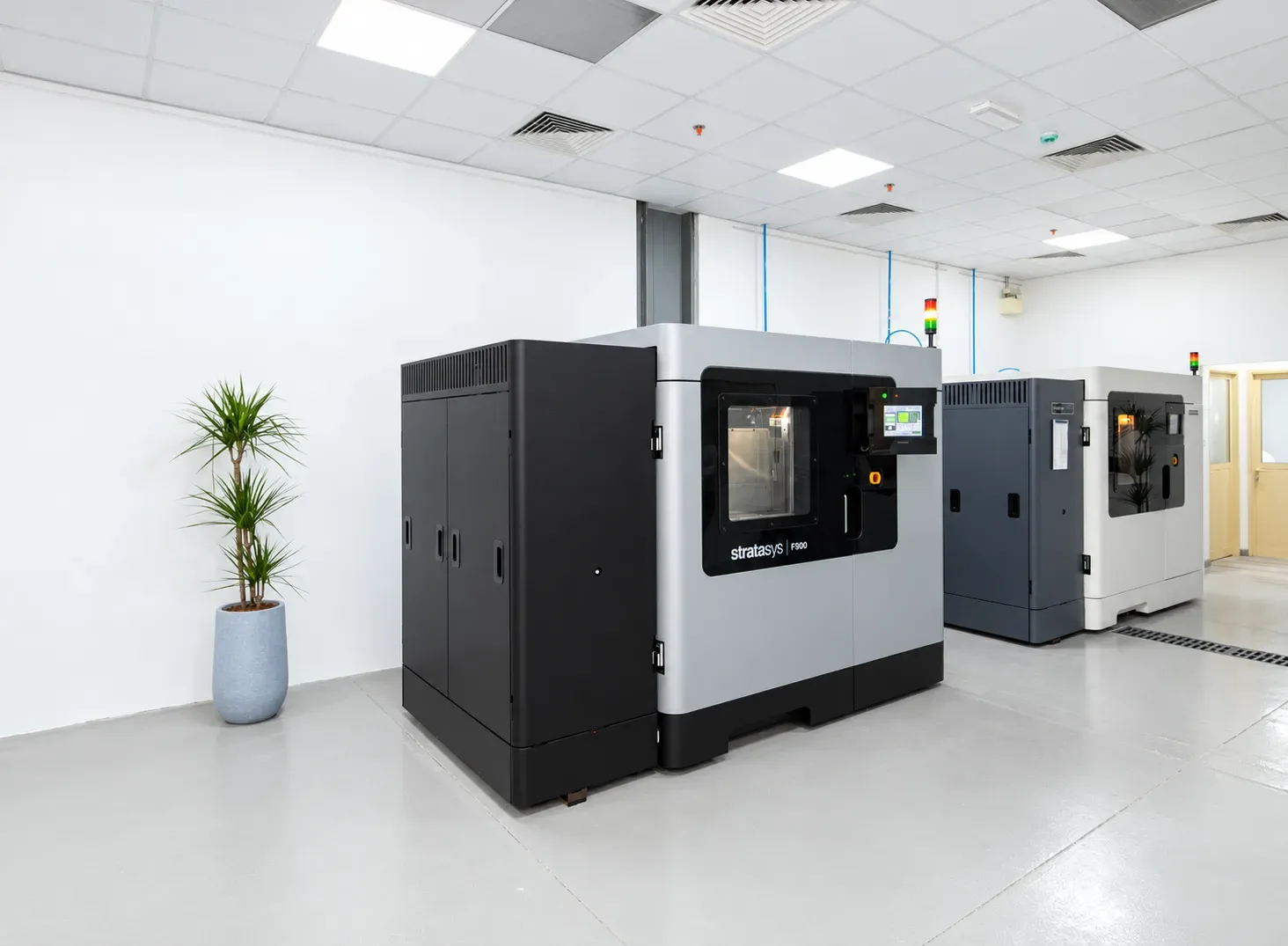
End parts, prototypes and tooling, built on our own FDM, SLS and LPBF 3D printing systems. No tooling, no minimum order, no import wait.
Parts without tooling.Made where you are.
Moulds and machining set-ups make small quantities slow and expensive. Additive manufacturing builds the part directly from the file, so one part costs no more to start than one hundred.
What you get from one supplier.
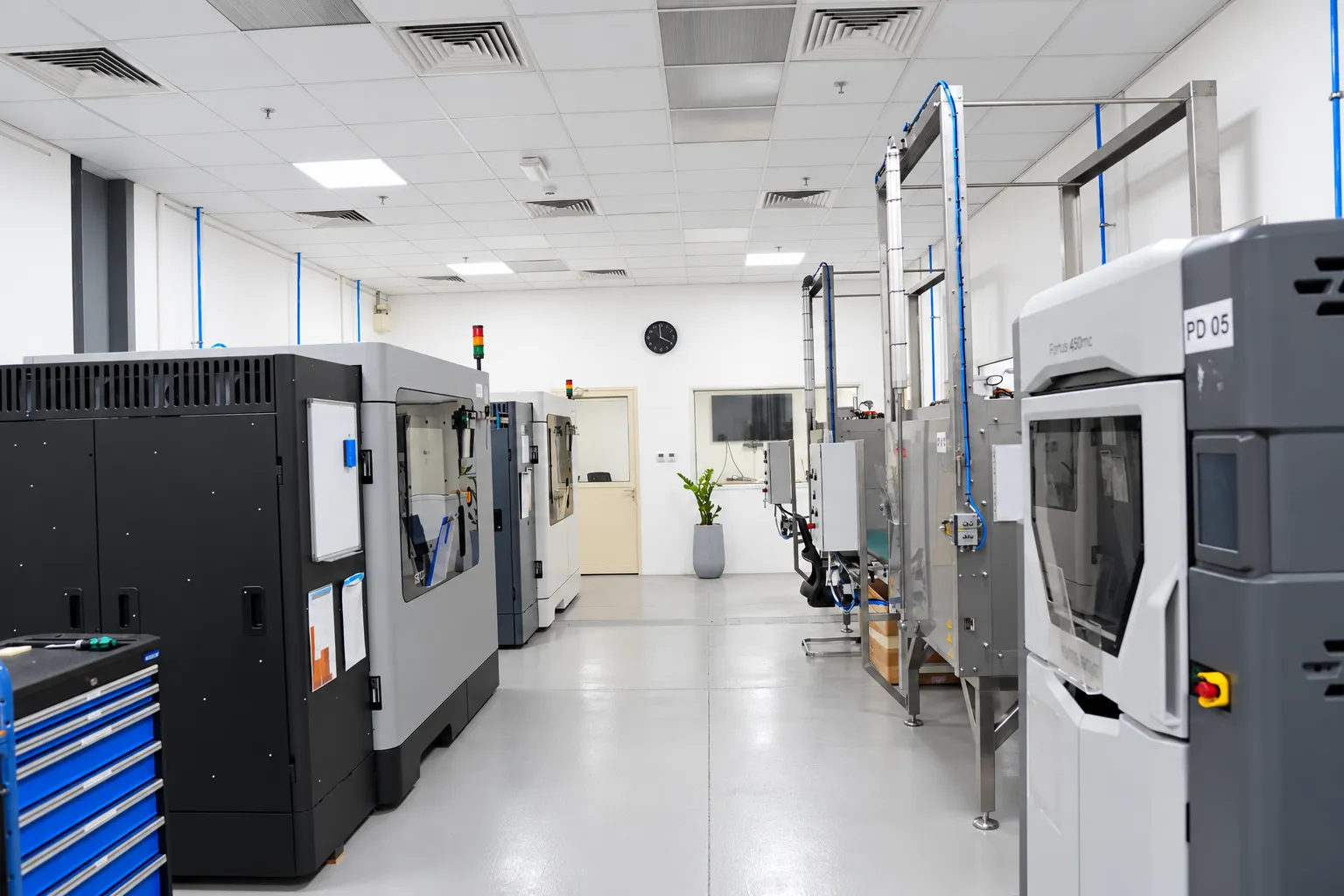
- Polymer and metal. FDM, SLS and laser powder bed fusion, chosen by what the part has to do.
- Engineering included. Geometry review, orientation and support planning before every build.
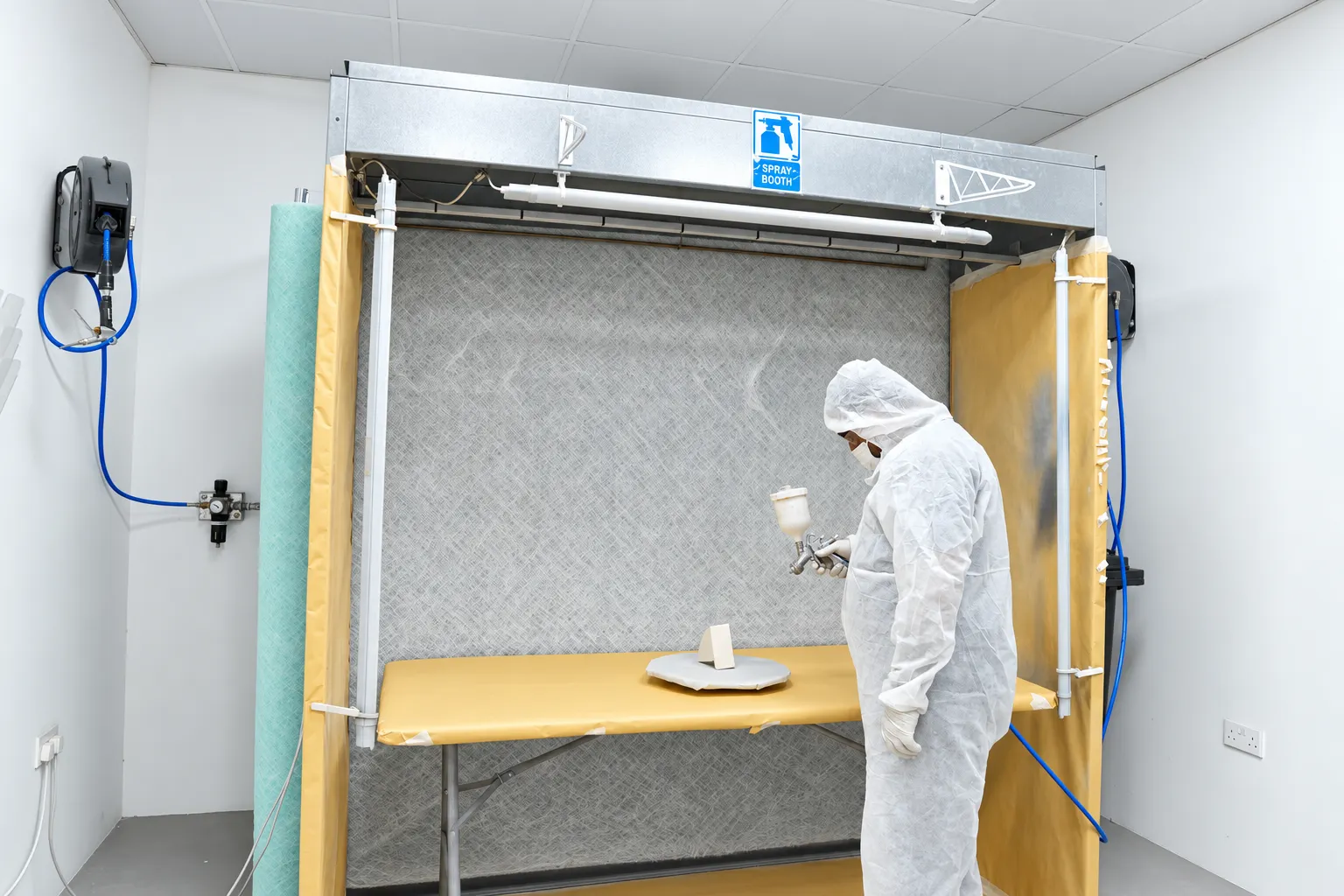
- Finished, not just printed. Support removal, painting, inserts and inspection in the same building.
- Repeatable. Controlled files and revisions, so the next order matches the last.
Three processes.One recommendation.
Each process has strengths and limits. Tell us the loads, temperatures and quantity, and we recommend the route that fits.
Fused Deposition Modeling
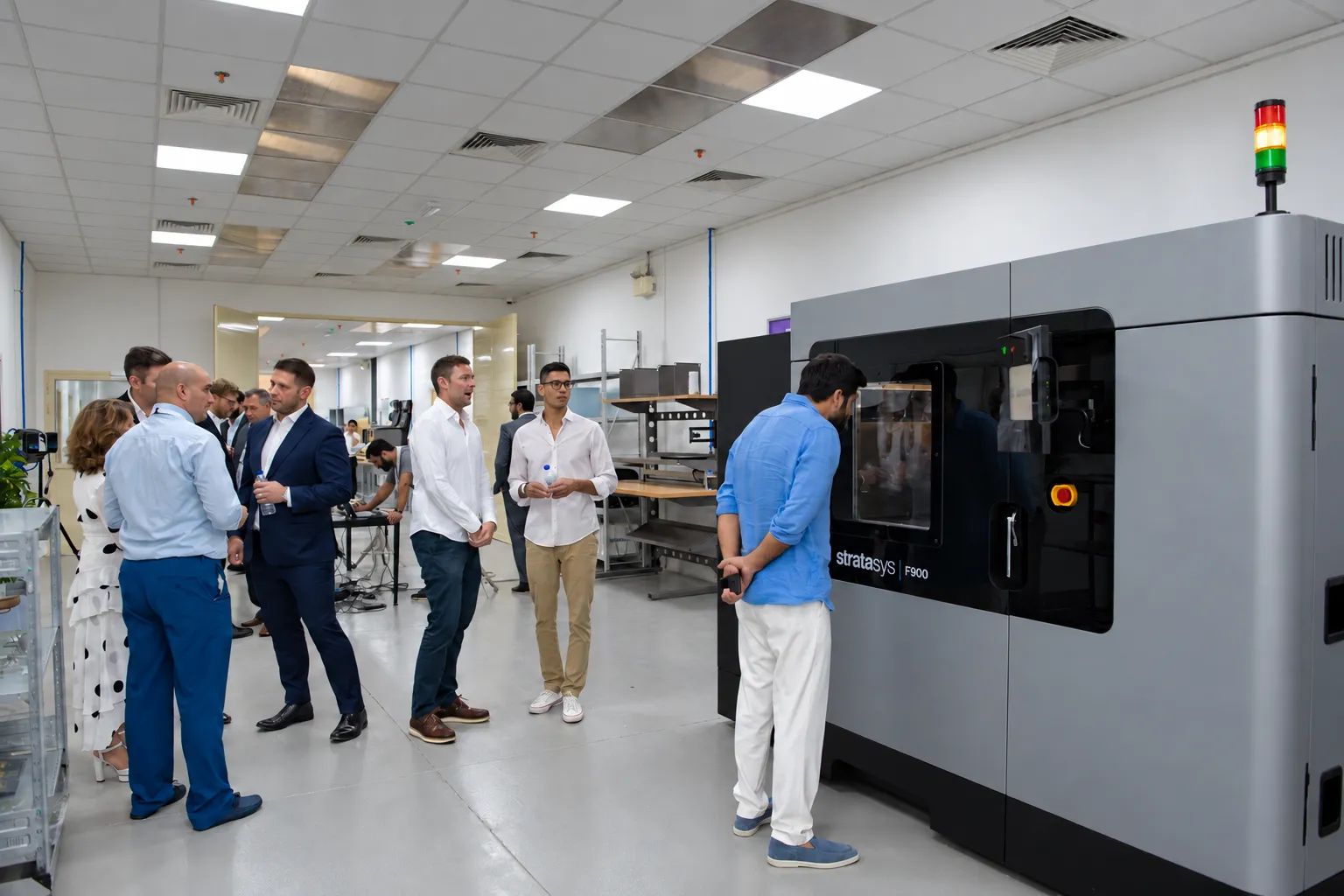
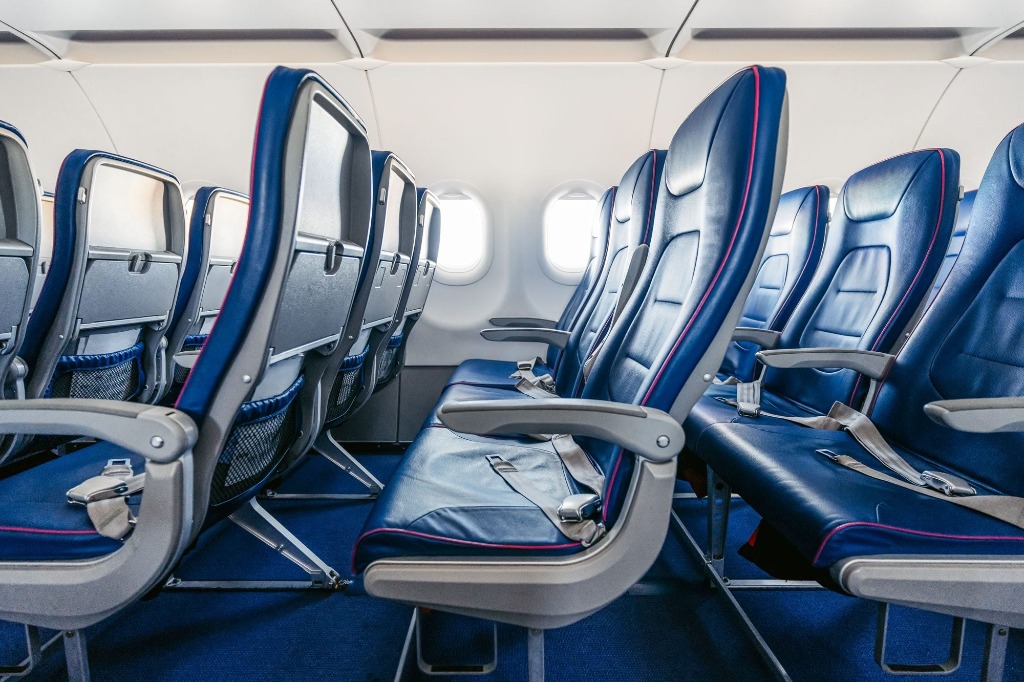
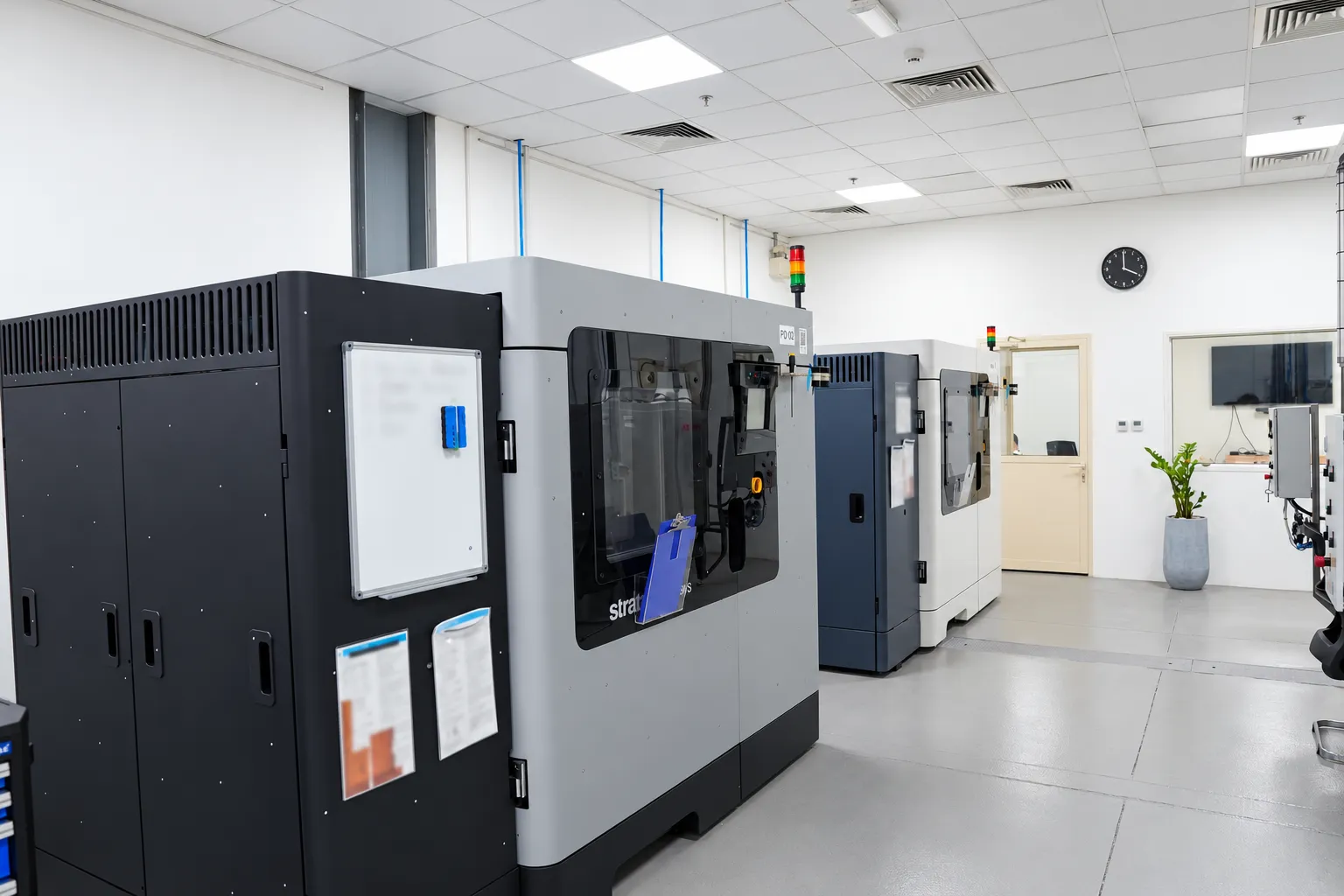
A heated nozzle lays down engineering thermoplastic along controlled toolpaths, layer by layer. It builds large, tough parts and is the route for flame-retardant cabin parts in ULTEM™ 9085.
- Systems
- Stratasys F900 and Stratasys Fortus 450mc
- Largest part
- 914 × 610 × 914 mm in one piece
- Materials
- 18 thermoplastics, from ABS-M30 and ASA to Nylon 12CF, ULTEM™ and Antero™
- Surface
- Visible layer lines; finish depends on orientation and layer settings
- Supports
- Needed for overhangs, so removal access is planned into the design
- Plan for
- Layer orientation affects strength, so we align critical loads during build set-up
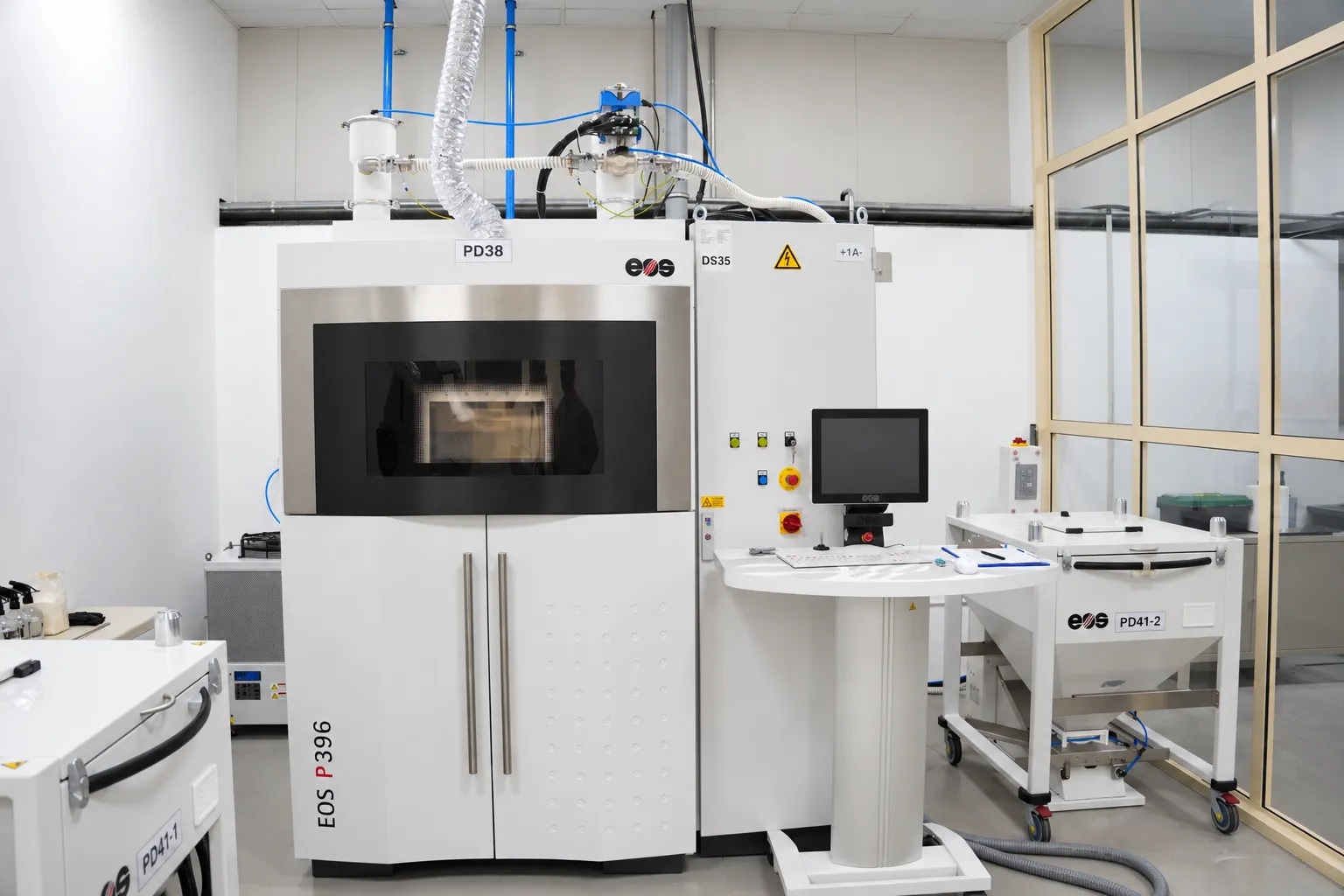
Selective Laser Sintering
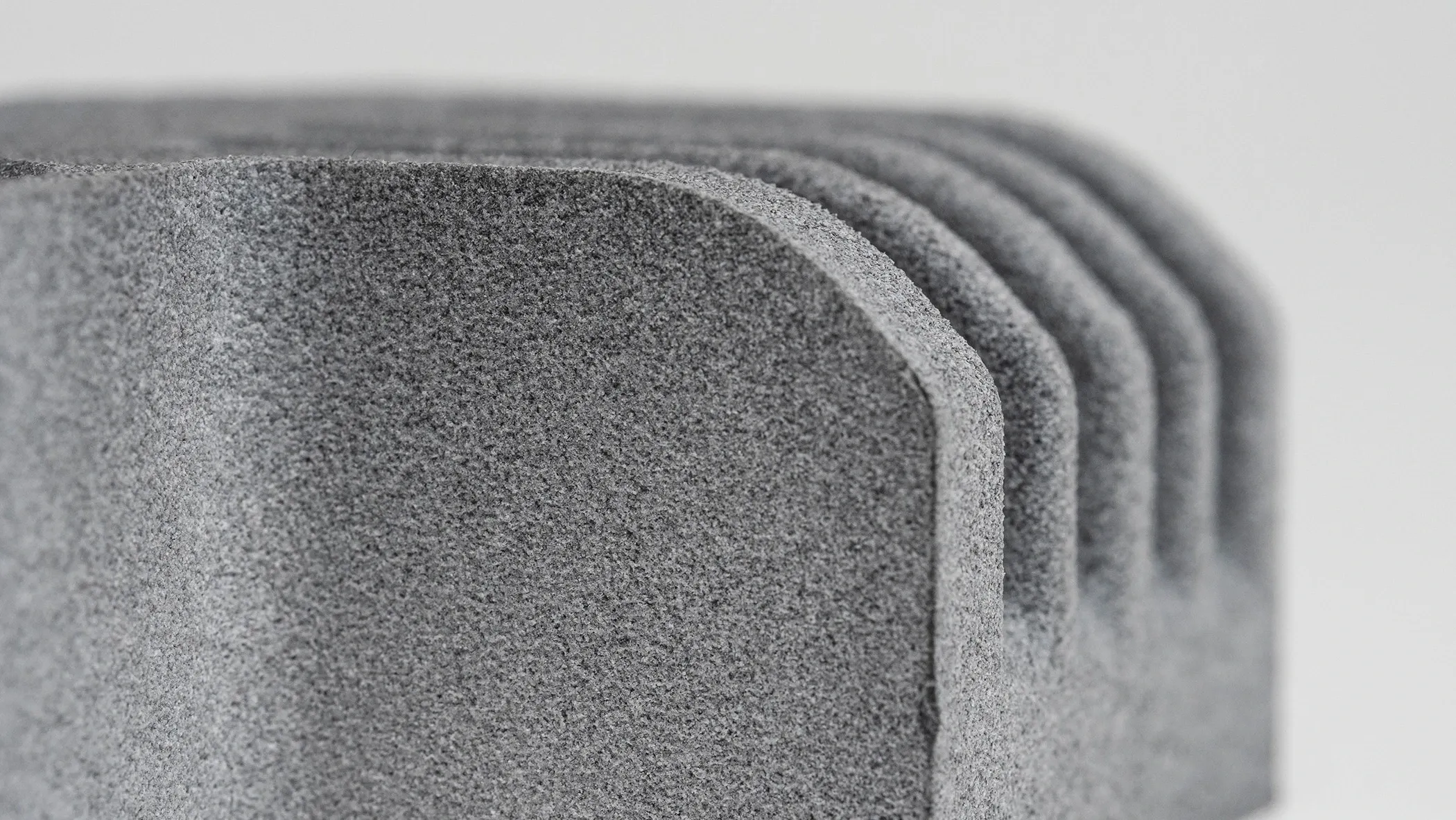
A 70 W CO₂ laser fuses nylon powder. The surrounding powder supports the part, so complex channels, clips and nested batches build without support structures.
- System
- EOS P 396
- Build volume
- 340 × 340 × 600 mm
- Materials
- 13 powders including PA 2200, PA 2210 FR, PA 2241 FR, PA 3200 GF and TPU 1301
- Surface
- Fine-textured, matte as-built finish
- Supports
- None printed; enclosed cavities need an escape path for powder
- Plan for
- Cooling and powder removal are part of the cycle; thin features are reviewed
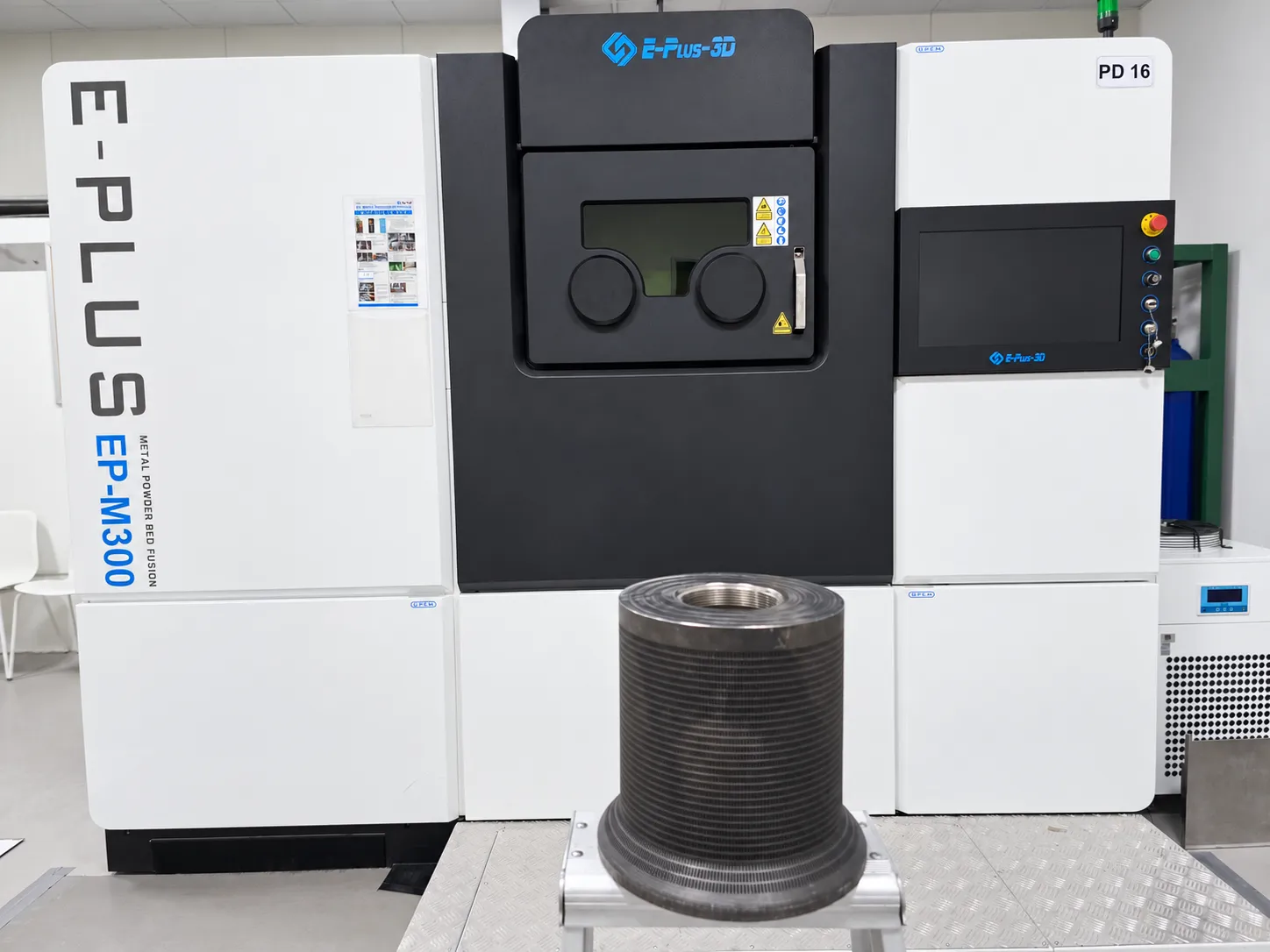
Metal Laser Powder Bed Fusion
A fibre laser melts metal powder in a controlled atmosphere to build dense parts, including internal passages that machining cannot reach.
- System
- Eplus3D EP-M300
- Build volume
- 300 × 300 × 450 mm
- Materials
- Titanium, aluminium, nickel alloys, cobalt chrome, maraging steel, stainless steel and copper alloys
- Surface
- Textured as-built metal; critical faces may be machined
- Supports
- Built on a plate with supports; removal and heat are planned up front
- Plan for
- Heat treatment, machining allowances and powder escape from internal channels
Designed to print well,not just to print.
A part drawn for machining or moulding often needs changes before it prints reliably. Our engineers review every file and agree the changes with you.
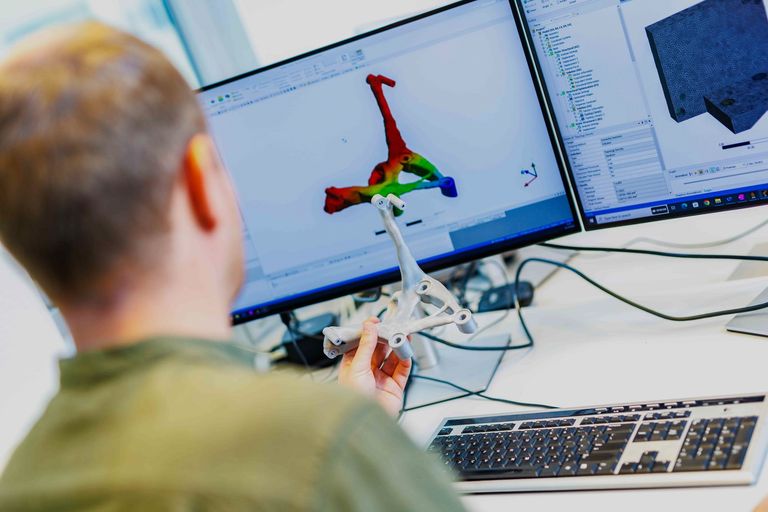
- Geometry review
- Wall thickness, fine features, holes and clearances checked against the process and material.
- Part consolidation
- Assemblies combined into one printed part to remove joints, fasteners and failure points.
- Build orientation
- Parts oriented so loads run the strong way and critical faces get the best surface.
- Support strategy
- Supports placed where they can be removed, and powder escape paths added for SLS and metal.
- Interfaces protected
- Datum faces, mating surfaces and inserts identified so finishing does not disturb them.
Keep the file,not the stock.
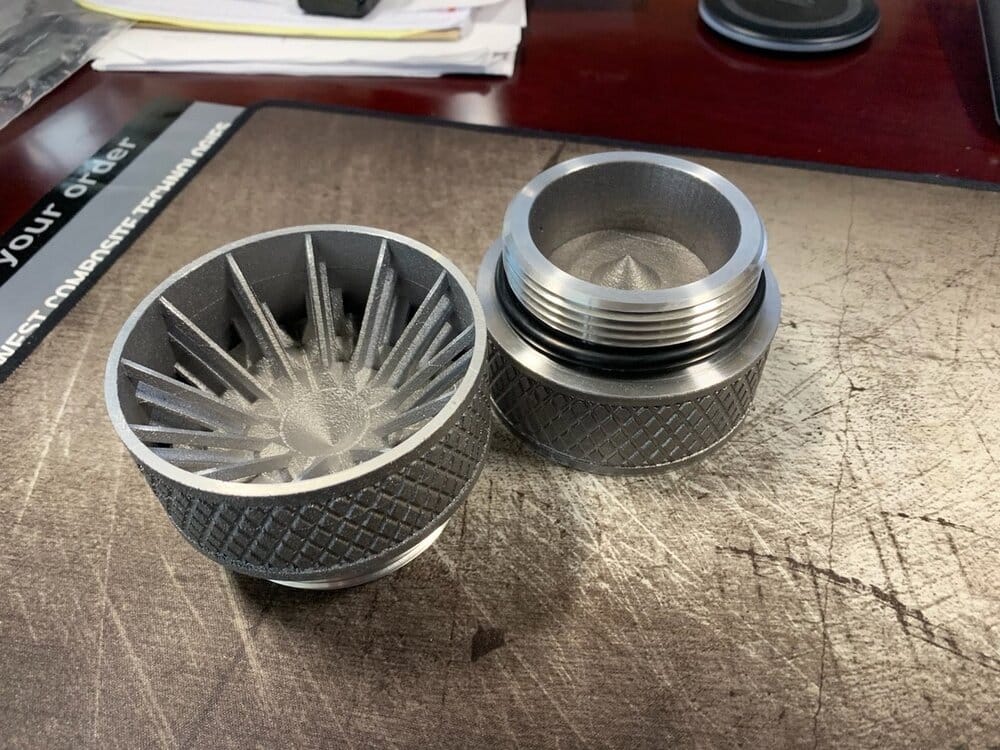
Slow-moving spares tie up cash and shelf space. Once a part is qualified, we hold its controlled digital record and print it when you need it.
- Identify. Shortlist parts by lead time, demand and the cost of downtime.
- Digitise. Recover geometry by scanning or CAD and define the material and finish.
- Qualify. Agree inspection and approval requirements on a first article.
- Release on demand. Reorder by part number and revision, and we build to the same record.
Checked beforeit leaves the building.
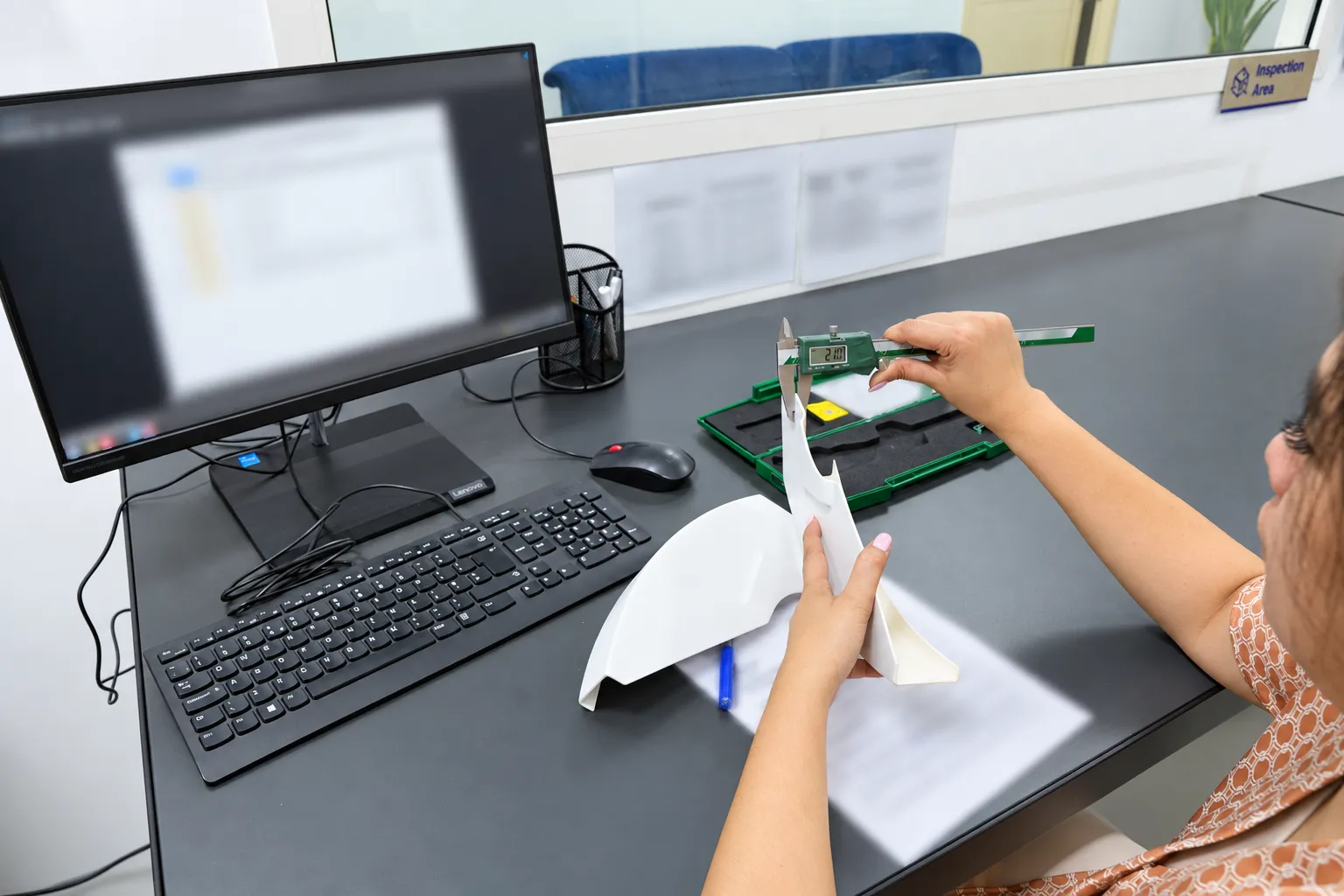
Printing is one step. Every order runs under our ISO 9001:2015 certified quality management system, with inspection planned alongside the build.
- Dimensional checks on the features you mark as critical.
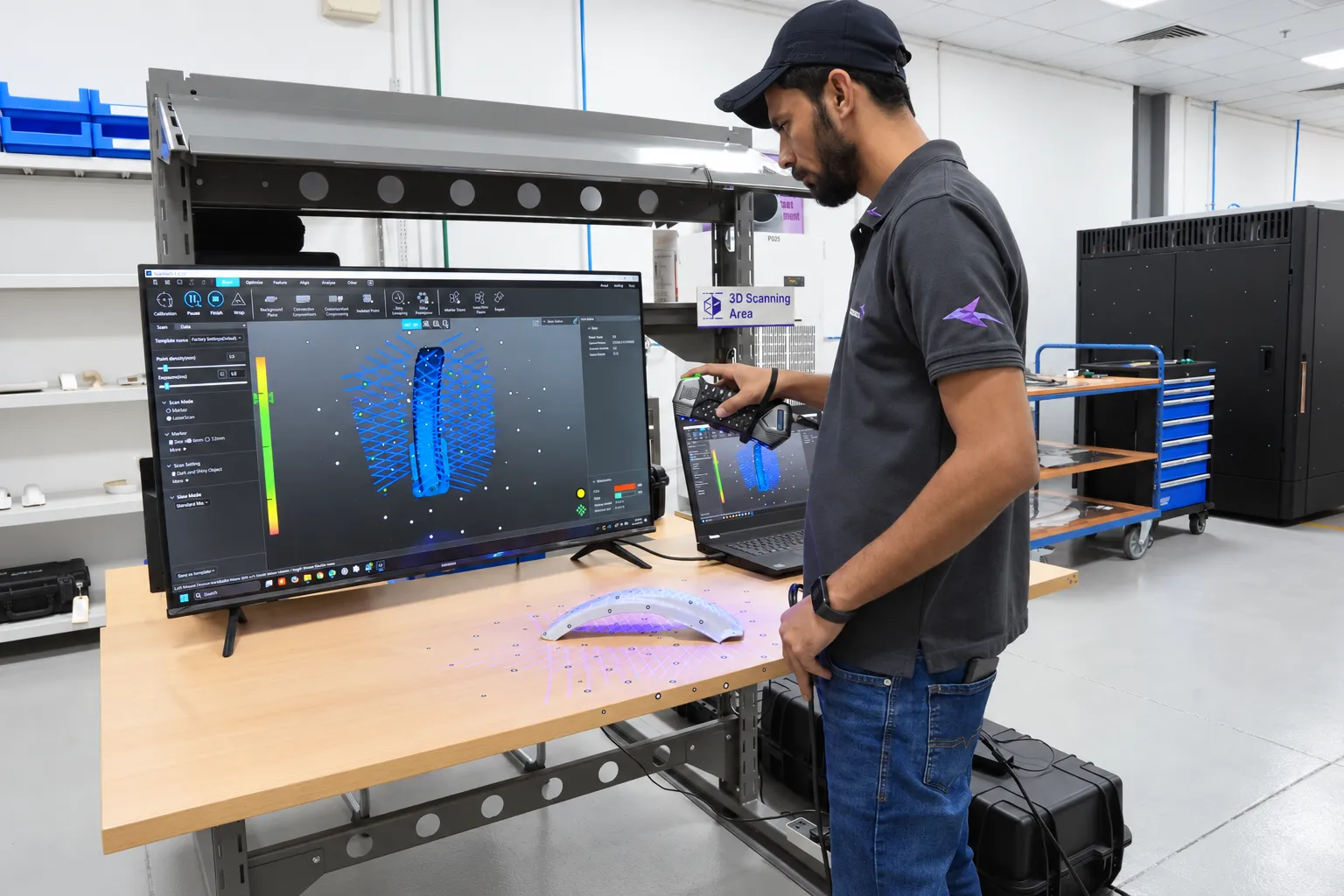
- Scan-to-CAD comparison with a colour-map report when ordered.
- Traceable records tied to the part number, revision and build.
From enquiryto first sample.
Send the part
CAD, a drawing, or photos and the old part, with quantity and use.
Quote and review
An engineer confirms process, material, finish, price and date.
Prepare and print
We orient the part, plan supports and run the build on our own machines.
First sample
Finished and checked, ready for you to test fit and function.
Production
Approved parts are built to the same file and released with records.
Timings are typical for a single part with available data. Larger batches, metal parts and certified parts are scheduled with you at quotation.
3D printing questionsbuyers ask first.
Anything else? See all FAQs
When is 3D printing the right choice?
When the geometry is complex, the quantity is low, the original tooling is gone or the lead time is too long. For high volumes of simple parts, moulding or machining is often cheaper, and we will tell you so.
Which process and material should I choose?
Start with what the part does: loads, temperature, chemicals and any flame requirement. Size, finish and quantity narrow it down. Send us the details and we recommend the process and grade.
Can you make end-use parts, not just prototypes?
Yes. Suitable parts are built for end use, from cabin interior parts to replacement components. A good prototype is not a production specification, so material, dimensions and acceptance criteria are agreed before series parts are built.
Do you print in metal?
Yes. The Eplus3D EP-M300 prints stainless steel, titanium, aluminium, nickel alloys, cobalt chrome, maraging steel and copper alloys in a 300 × 300 × 450 mm build volume.
What files should I send?
STEP for CAD, STL for meshes and PDF for drawings that show critical dimensions and tolerances. If you only have a sample or photos, we can scan and model the part.
What drives price and lead time?
Part size, build time, material, quantity, finishing and inspection. Price and delivery date are confirmed in your quote.
How do repeat orders work?
Reorder by part number and revision and we build to the same controlled file, material and finish. Any change to geometry, material or acceptance criteria is reviewed first.
Can you supply EASA Form 1 for aviation parts?
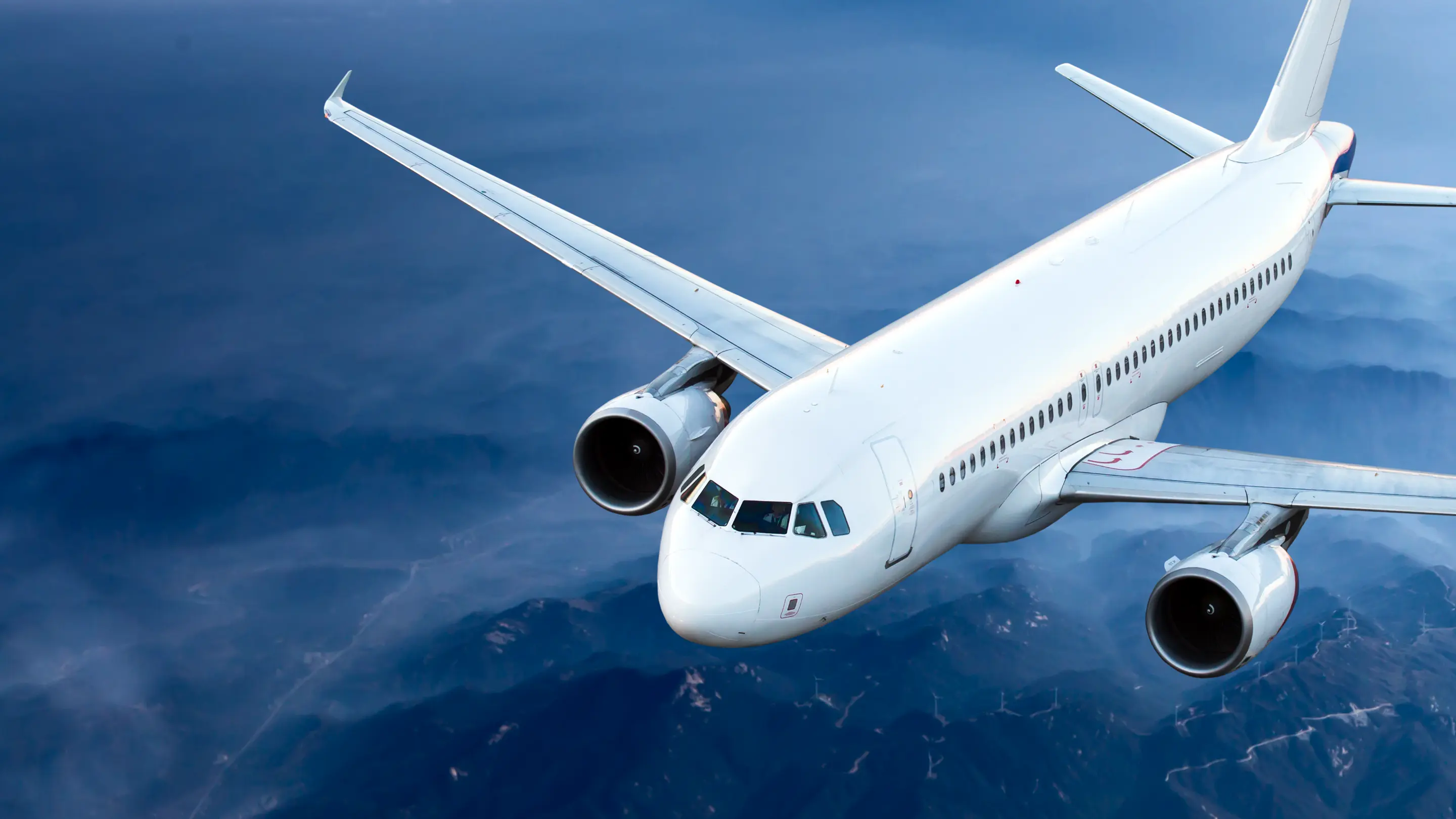
For eligible cabin interior parts, yes. Paradigm 3D manufactures eligible aviation parts under a production arrangement with The Aviation AM Centre, the EASA Part 21G approval holder, which issues EASA Form 1 for parts supplied through that approved route. A material or process on its own does not approve a part for installation.
Before and afterthe build.
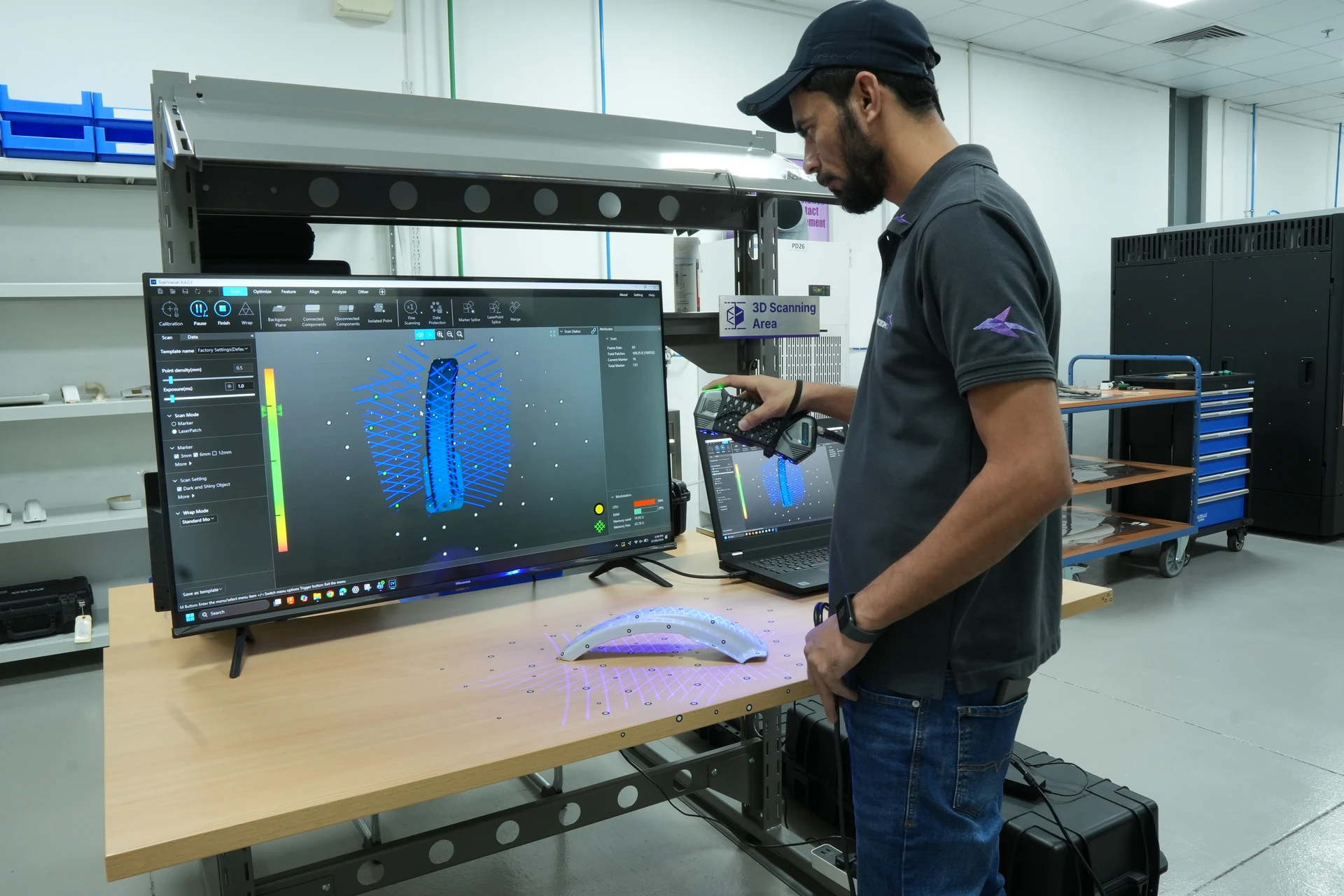
3D Scanning & Reverse Engineering
No CAD? We scan the part and rebuild it as a model ready to print.
Explore scanning
Finishing & Inspection
Painting, inserts, assembly and dimensional checks before the part ships.
Explore finishing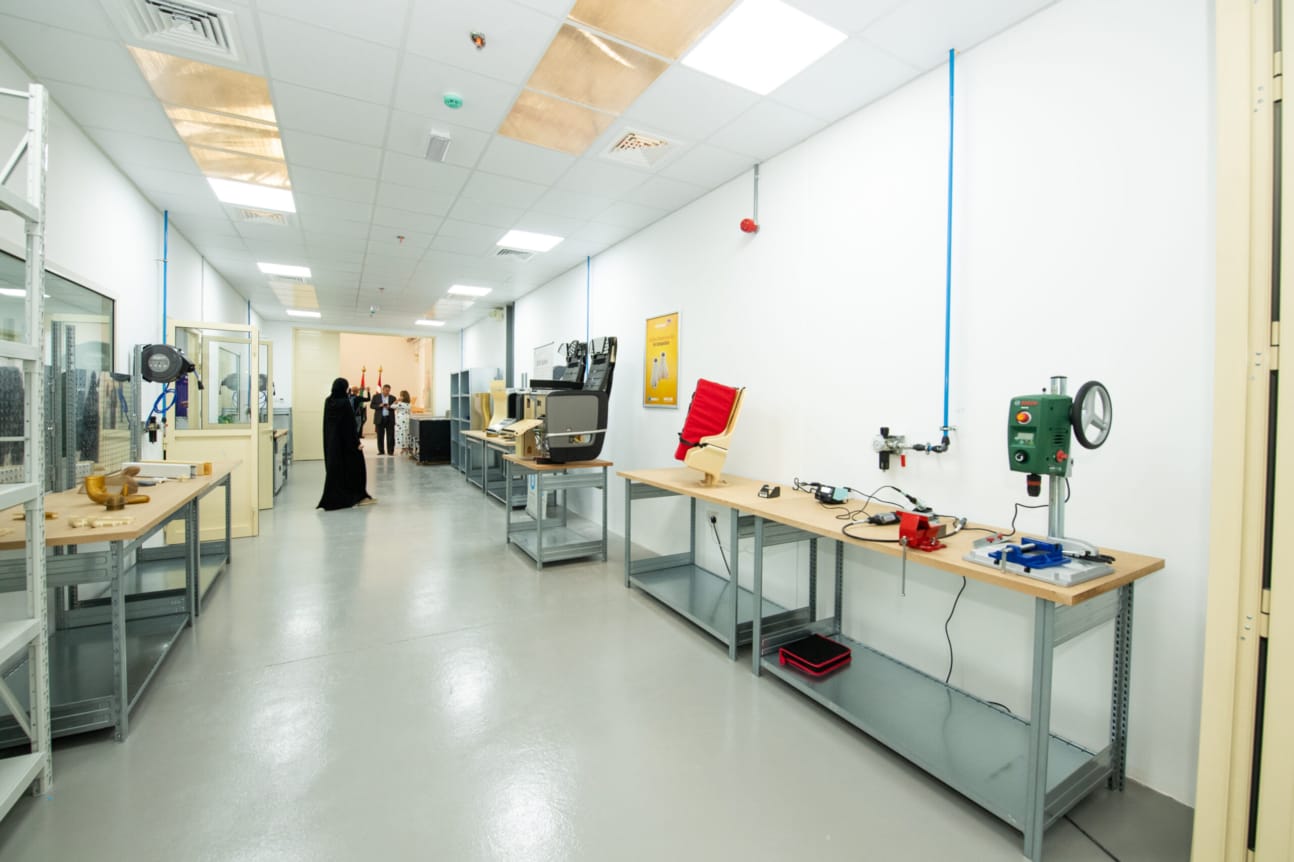
All capabilities
Scanning, engineering, printing and finishing under one roof in Jebel Ali.
View capabilitiesBring us the part.
Send a drawing, a CAD file, or photographs and the old part. Tell us what it does, how many you need and when.