






Recognise recurring demand
If the same cabin part is being sourced urgently for the third maintenance input in a row, the demand may be irregular, but it is no longer unexpected.
Many cabin requirements do not follow a clean annual forecast. Consumption changes with aircraft utilisation, fleet condition, cabin configuration, failure rates and maintenance findings. The exact timing may be difficult to predict, but the requirement itself may still be recurring.
That distinction matters.
When each shortage is treated as a new event, the same work begins again. Procurement requests another quotation. Engineering reconfirms the part and its configuration. Maintenance establishes what is needed for the next input. Delivery dates are then followed closely while the aircraft continues to generate demand.
An urgent purchase order may close the immediate gap. It does not create availability for the next maintenance event.
Plan around the requirement
A planned supply arrangement does not automatically mean buying a large quantity or carrying excessive stock. The appropriate model depends on actual consumption and programme needs. It may involve controlled production batches, deliveries aligned with maintenance demand, agreed call-off quantities, or a limited buffer for frequently required components.
The important change is that the requirement is managed as repeat demand rather than rediscovered each time.
This is particularly relevant when parts are consumed regularly, fail earlier than expected, have long or inconsistent lead times, are affected by obsolescence or are available only in minimum quantities that do not reflect fleet demand.
Maintain a controlled supply route
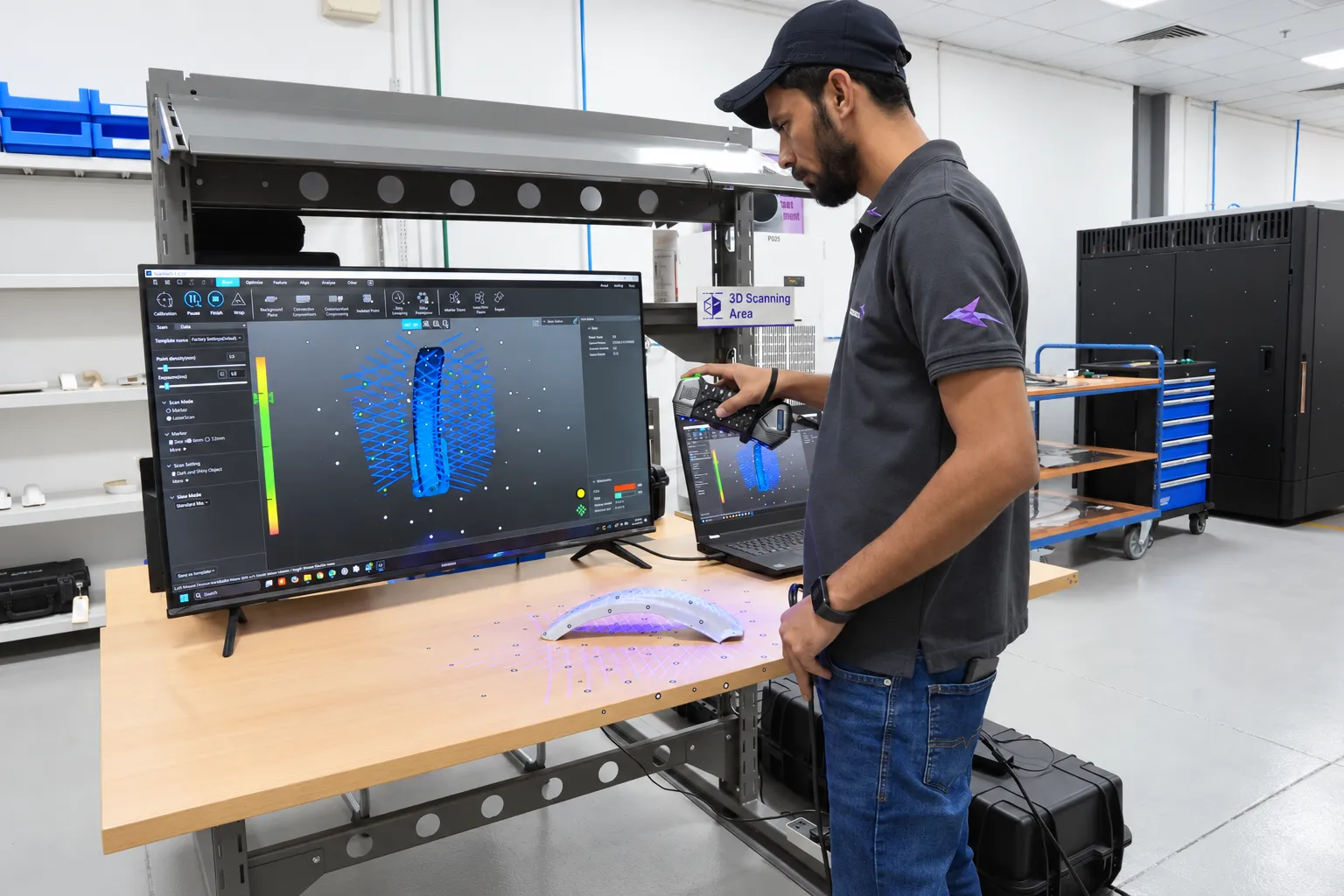
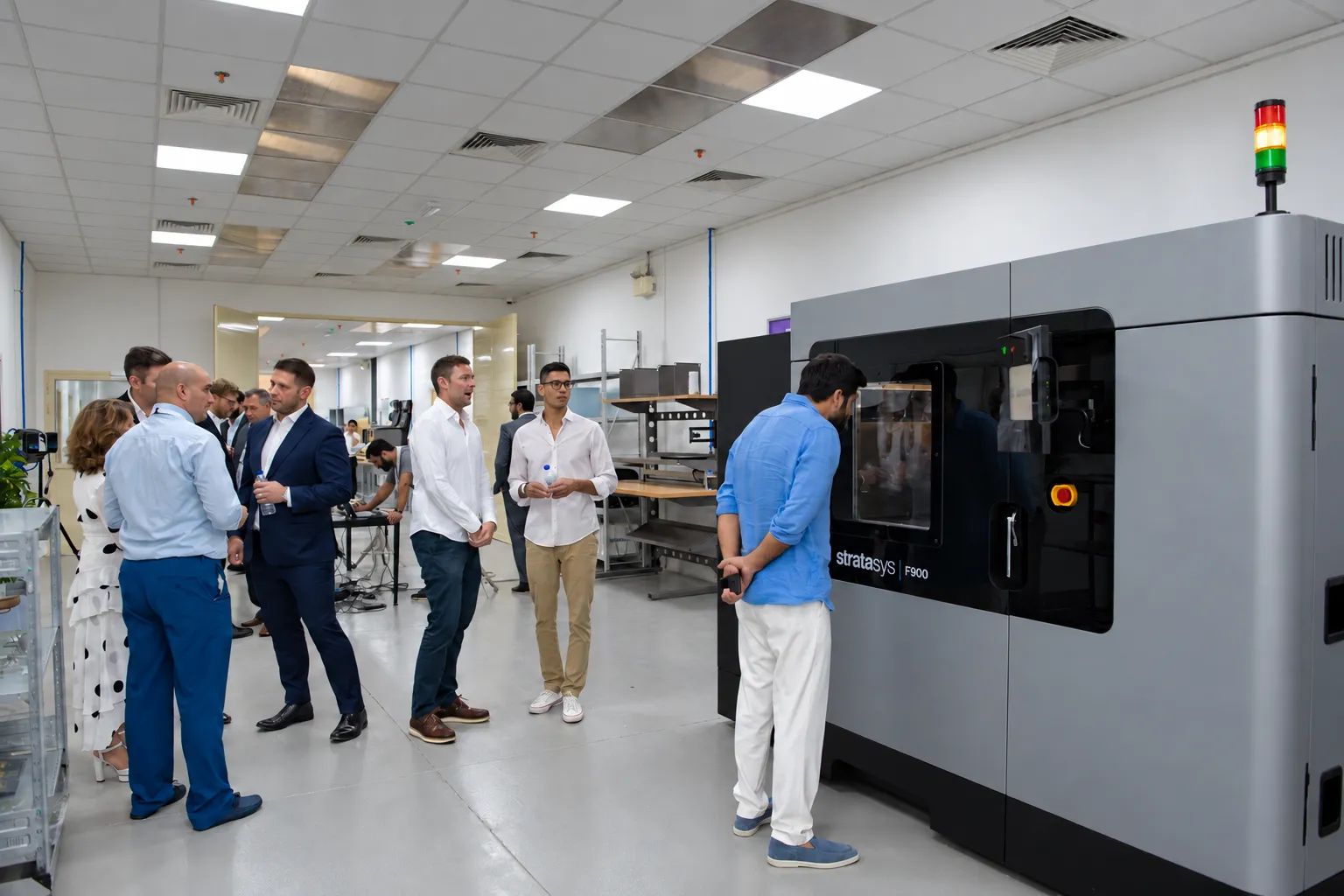
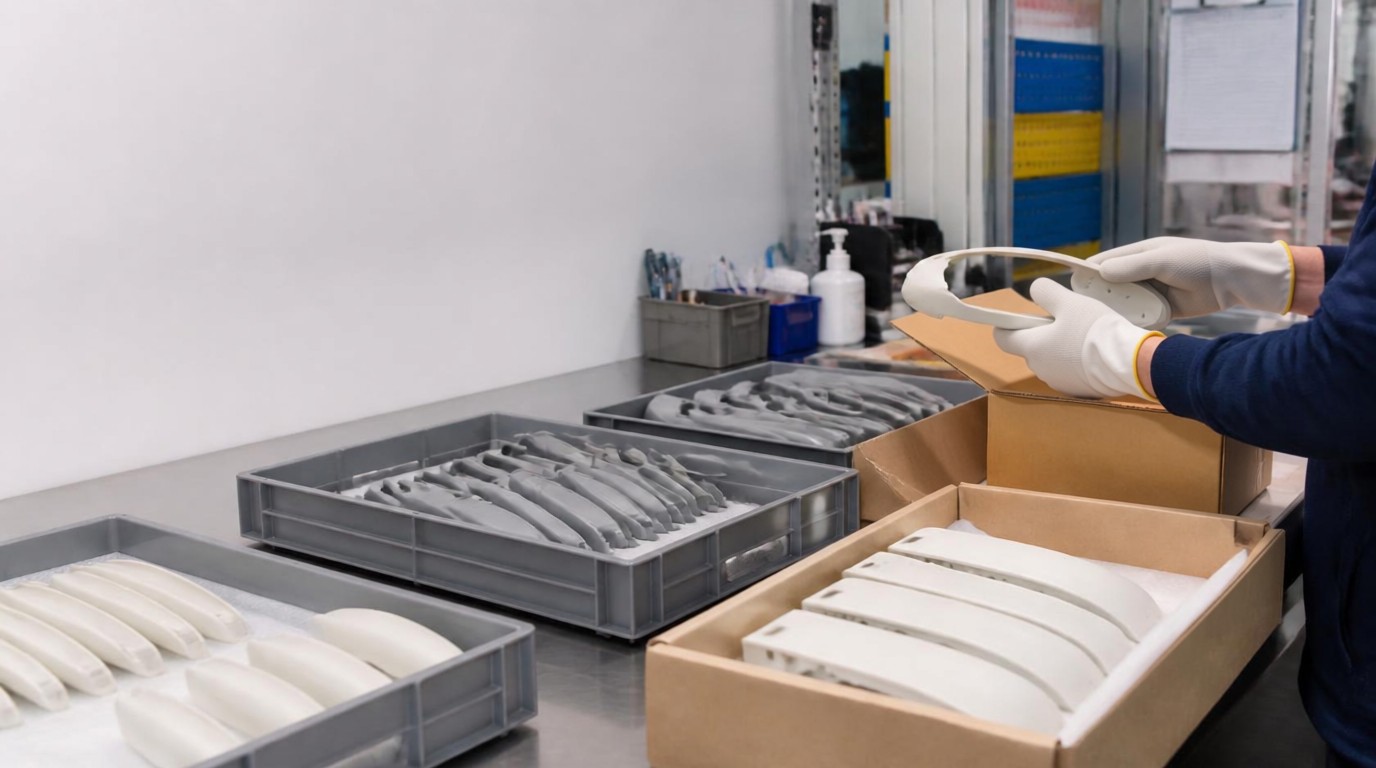
Additive manufacturing can support this approach where the application is suitable. Without the same dependence on dedicated tooling, production can be organised around repeat batches and changing demand. Once the necessary design, production and approval activities have established a controlled route, subsequent orders can follow the approved configuration instead of reopening the entire development discussion.
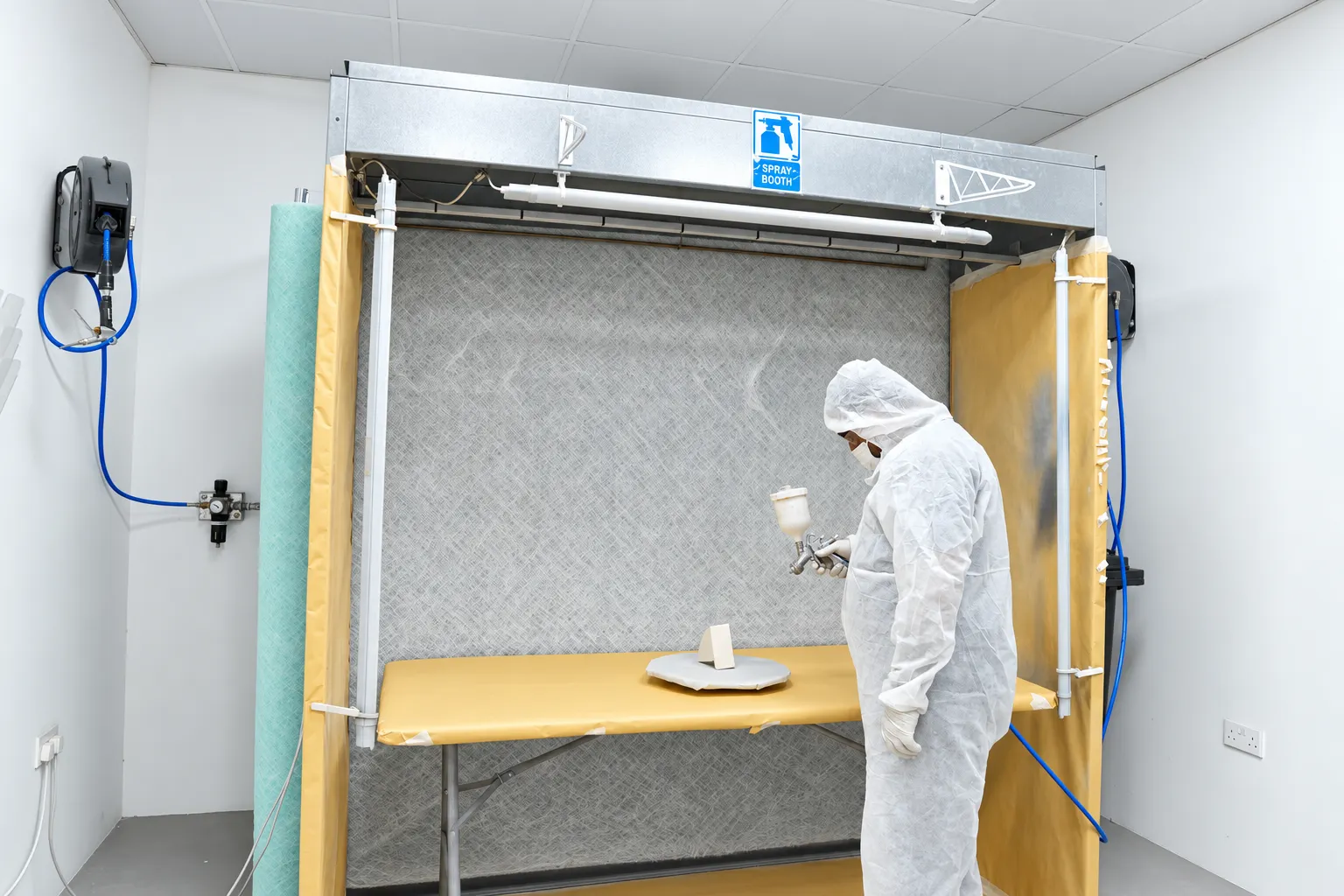
Repeat supply is not automatic. Configuration control, production capacity, material availability, finishing requirements and the applicable authorised release documentation must continue to be maintained. The production organisation also needs sufficient visibility of expected demand to plan responsibly.
Build greater predictability
For the operator, the practical benefit is greater predictability. Procurement has a clearer view of future supply and commercial conditions. Engineering does not need to reopen the same unresolved requirement for every maintenance event. Maintenance can plan upcoming inputs with greater confidence, while inventory remains closer to practical fleet demand.
Not every requirement needs this model. A genuinely isolated replacement can still be handled as an individual order. The situation changes when the same part, failure pattern, or availability problem continues to return.
The objective is not to predict every removal; it is to ensure that the next removal does not restart the entire sourcing exercise.


