

Polymer and metal production
Choose a manufacturing approach around the component’s function, operating conditions and required finish. Support one-off requirements, small batches and recurring production.
Industries
Parts and tooling for sectors where downtime is expensive and paperwork matters.
All industries AviationCabin interior parts released with EASA Form 1.
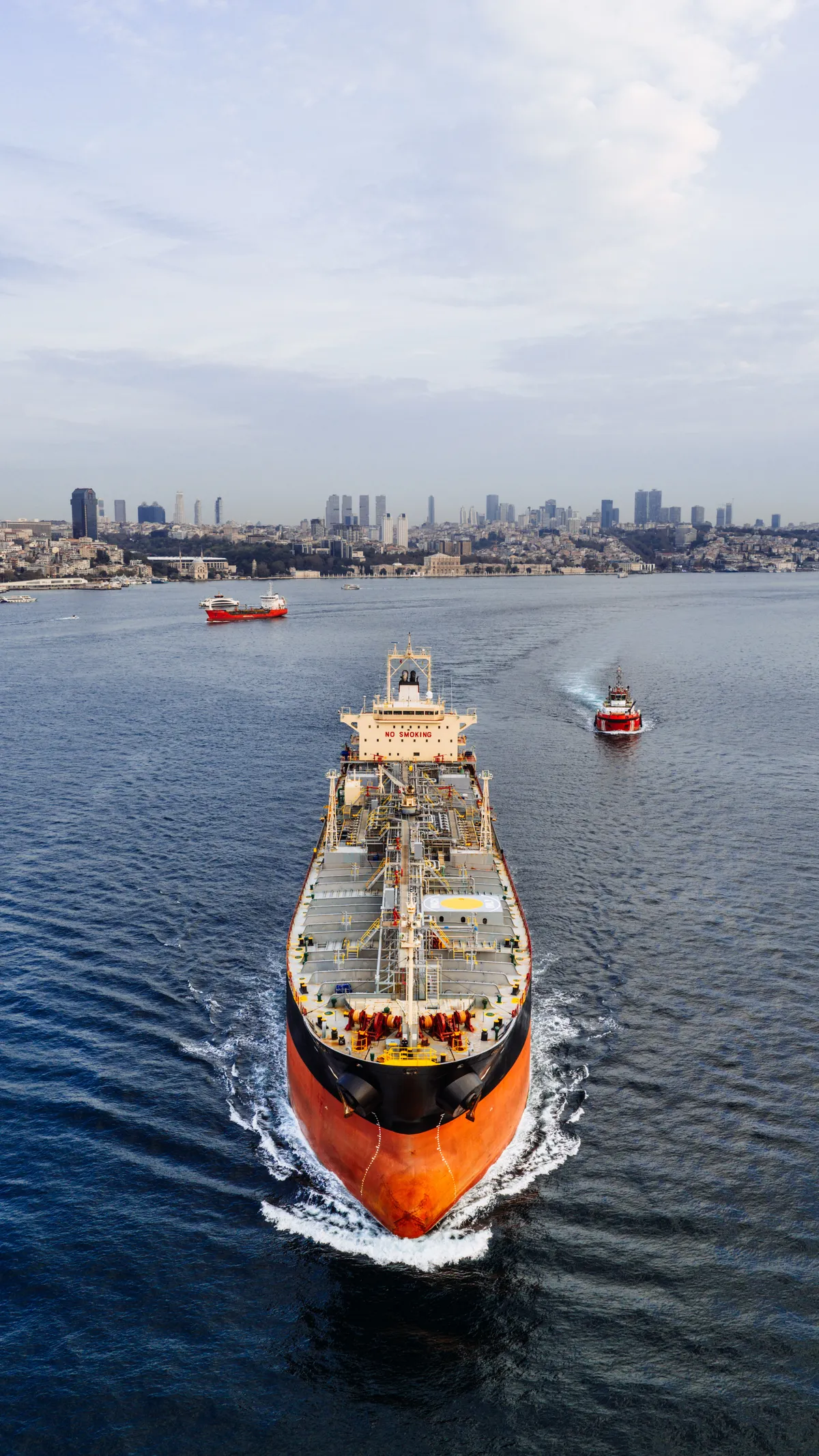 MaritimeReplacement parts and tooling that keep vessels running.
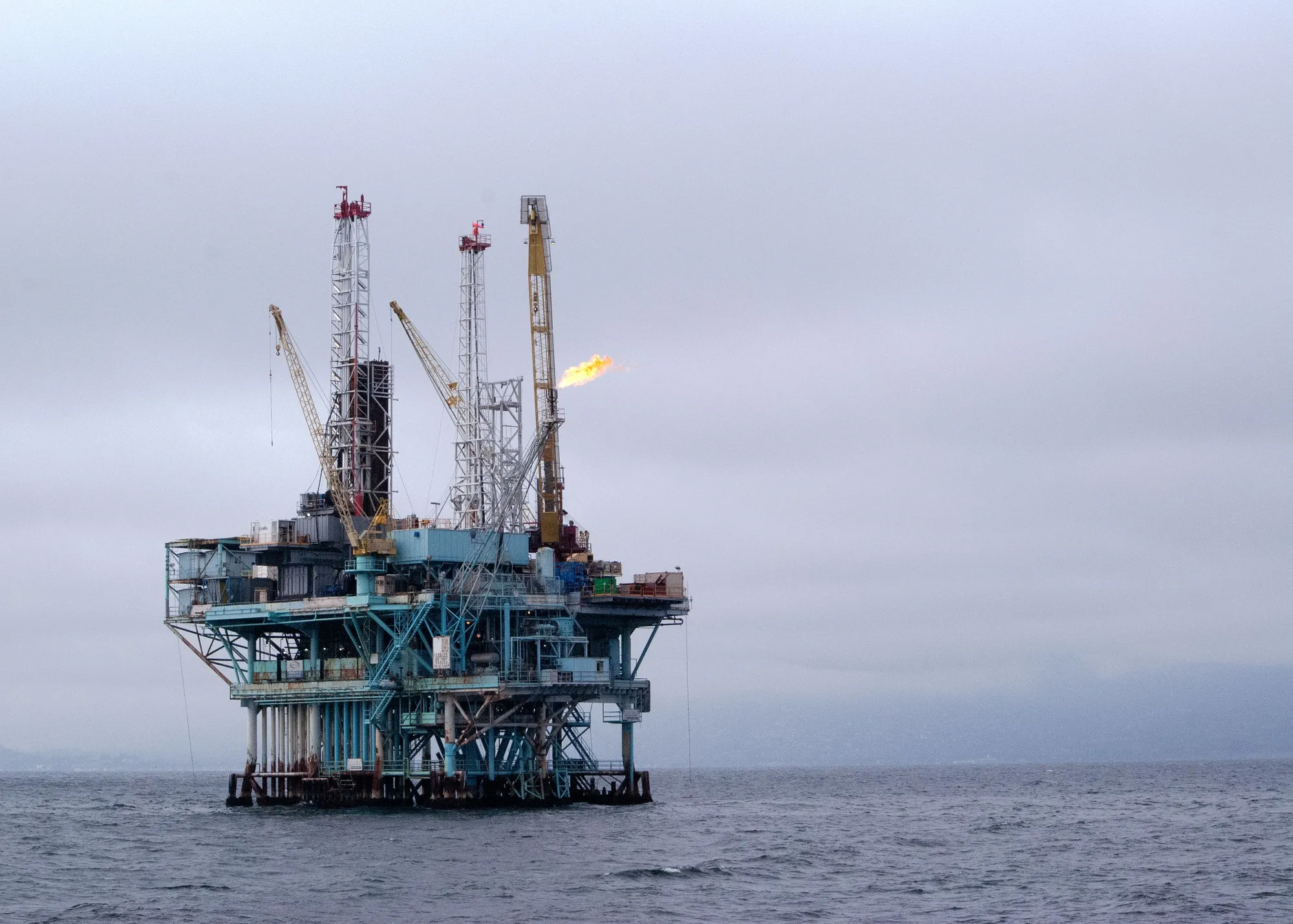 Oil & GasObsolete components rebuilt in polymer and metal.
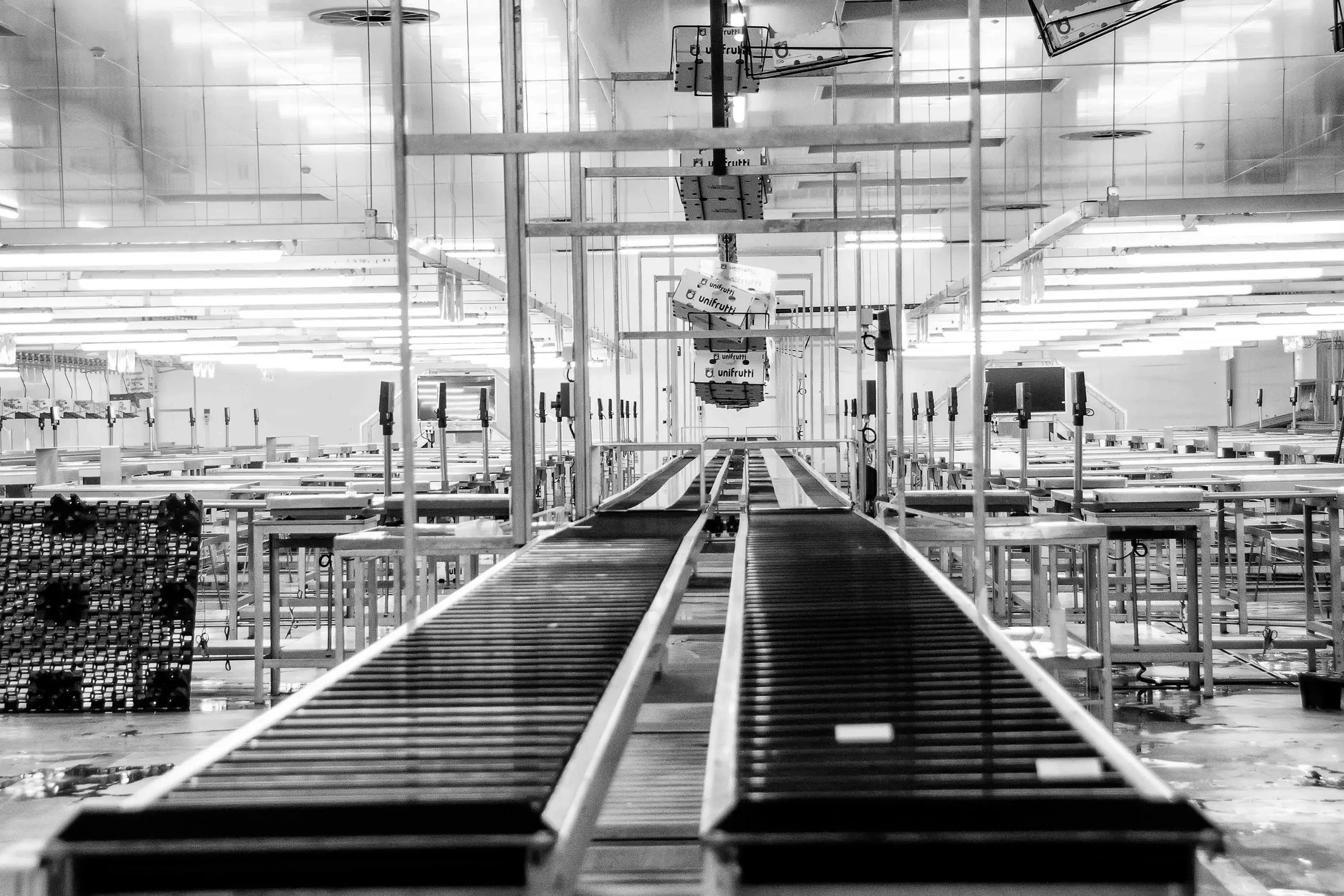 Industrial ManufacturingJigs, fixtures and end-use parts for the factory floor.
 Aerospace & DefenceControlled, local manufacture for sensitive programmes.
Company
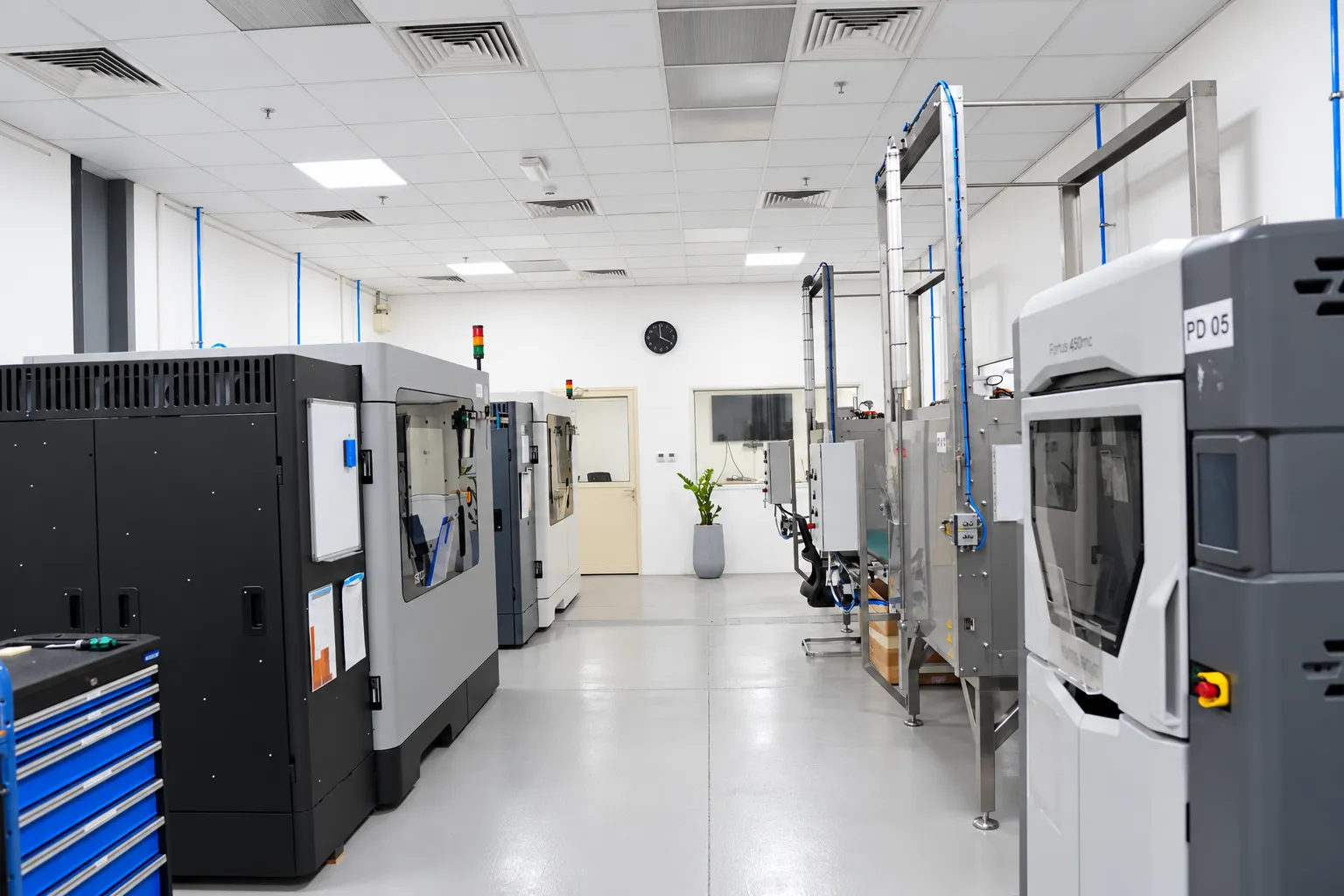
A 10,750 sq ft additive manufacturing facility in Jebel Ali, Dubai, since 2023.
About Paradigm 3D
Polymer and metal components for industrial products, machinery and equipment. We combine engineering support, additive manufacturing and finishing to deliver custom designs, replacement parts and repeat production, alongside tooling that supports your manufacturing operations.
Manufacture components for your products, machinery and equipment in polymer or metal. We support new designs and existing parts, from small, intricate geometries to larger assemblies, with engineering and finishing aligned to their intended use.
Choose a manufacturing approach around the component’s function, operating conditions and required finish. Support one-off requirements, small batches and recurring production.
Produce intricate details, complex internal features and larger geometries. Part orientation, build size and assembly options are considered to achieve the required dimensions and fit.
Assess metal-to-polymer or polymer-to-metal conversion to address weight, strength, temperature or cost requirements. We review the design changes needed to make the alternative practical.
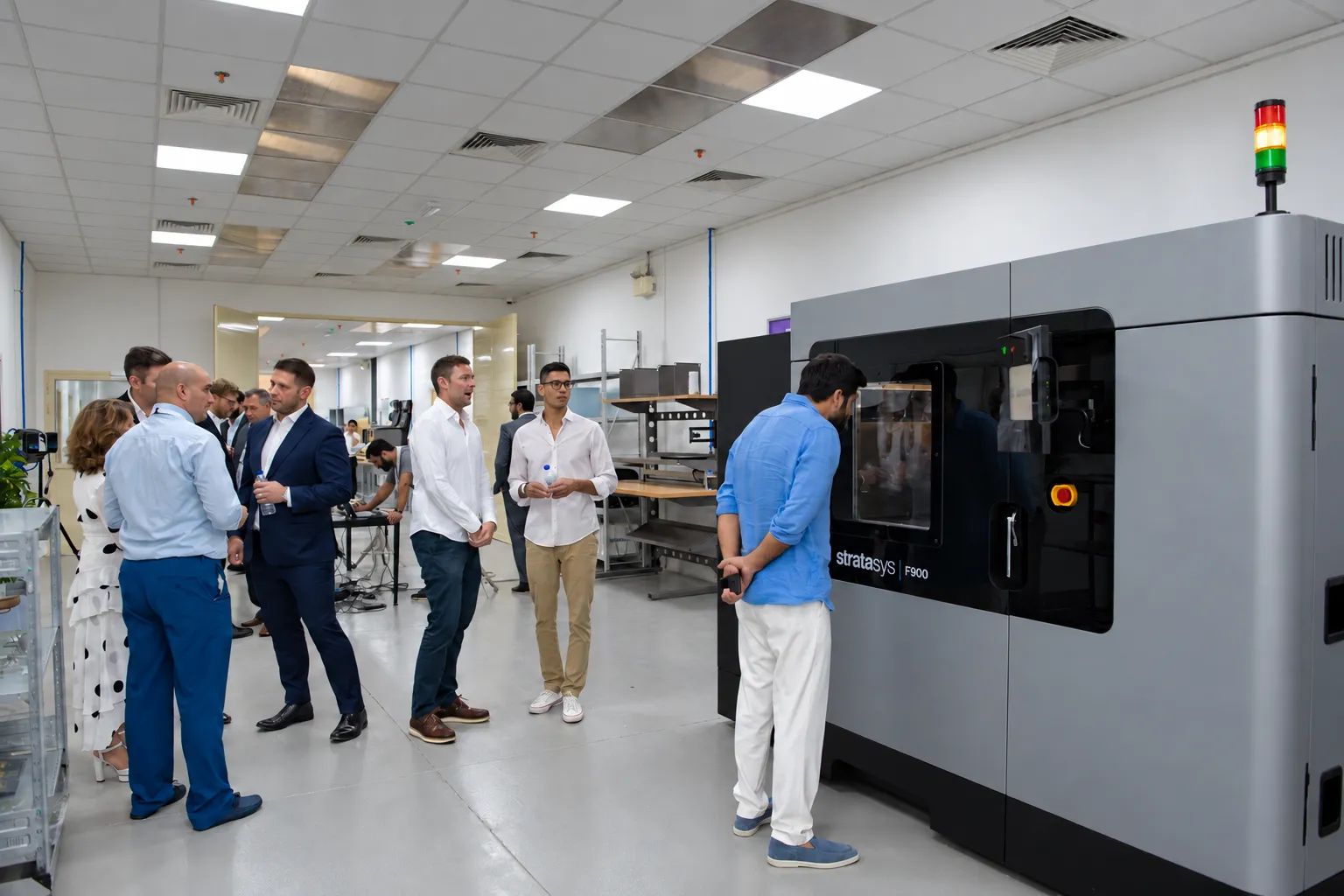
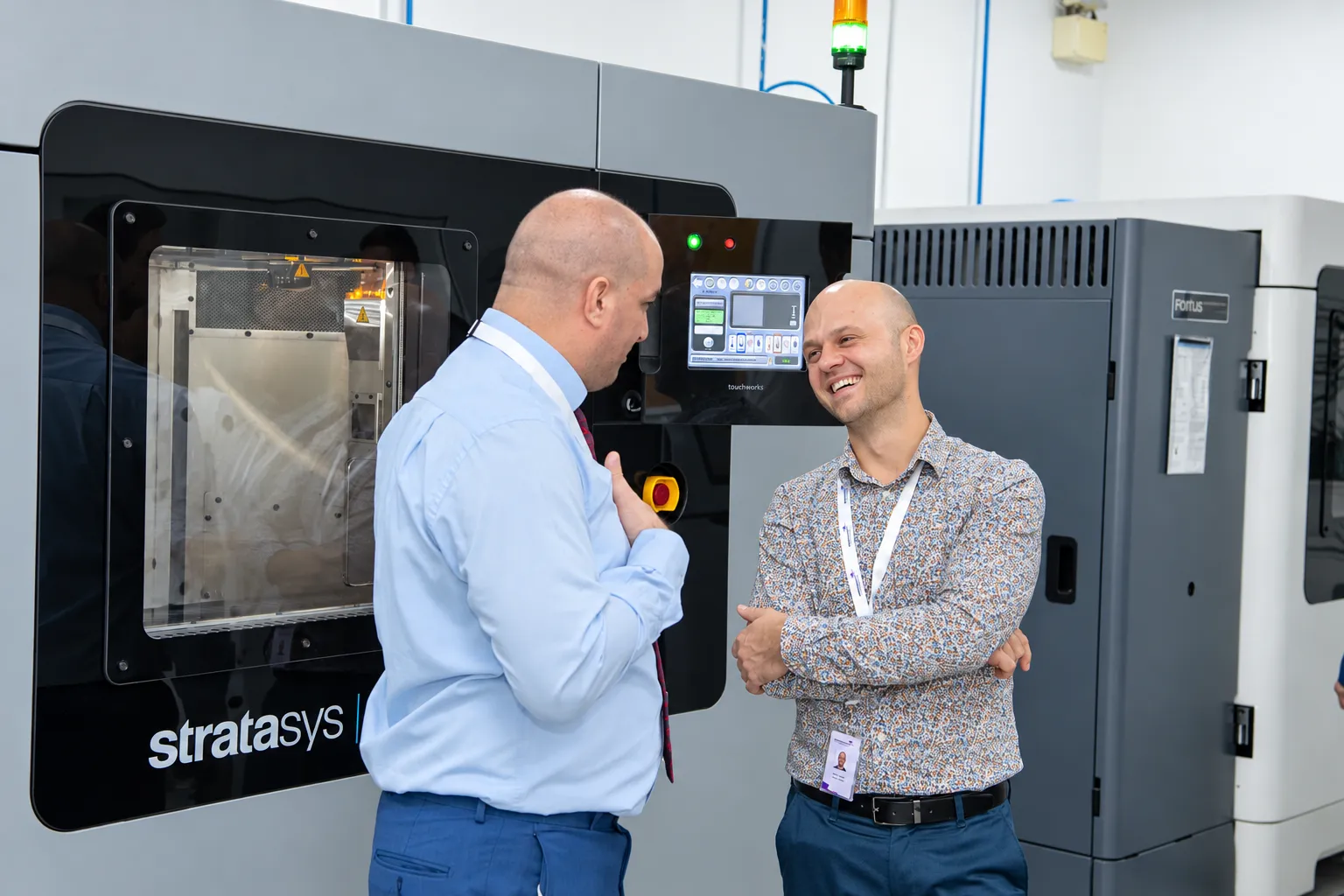
Large-format FDM, production FDM, polymer SLS and metal powder bed fusion. All four are owned and run in Jebel Ali.
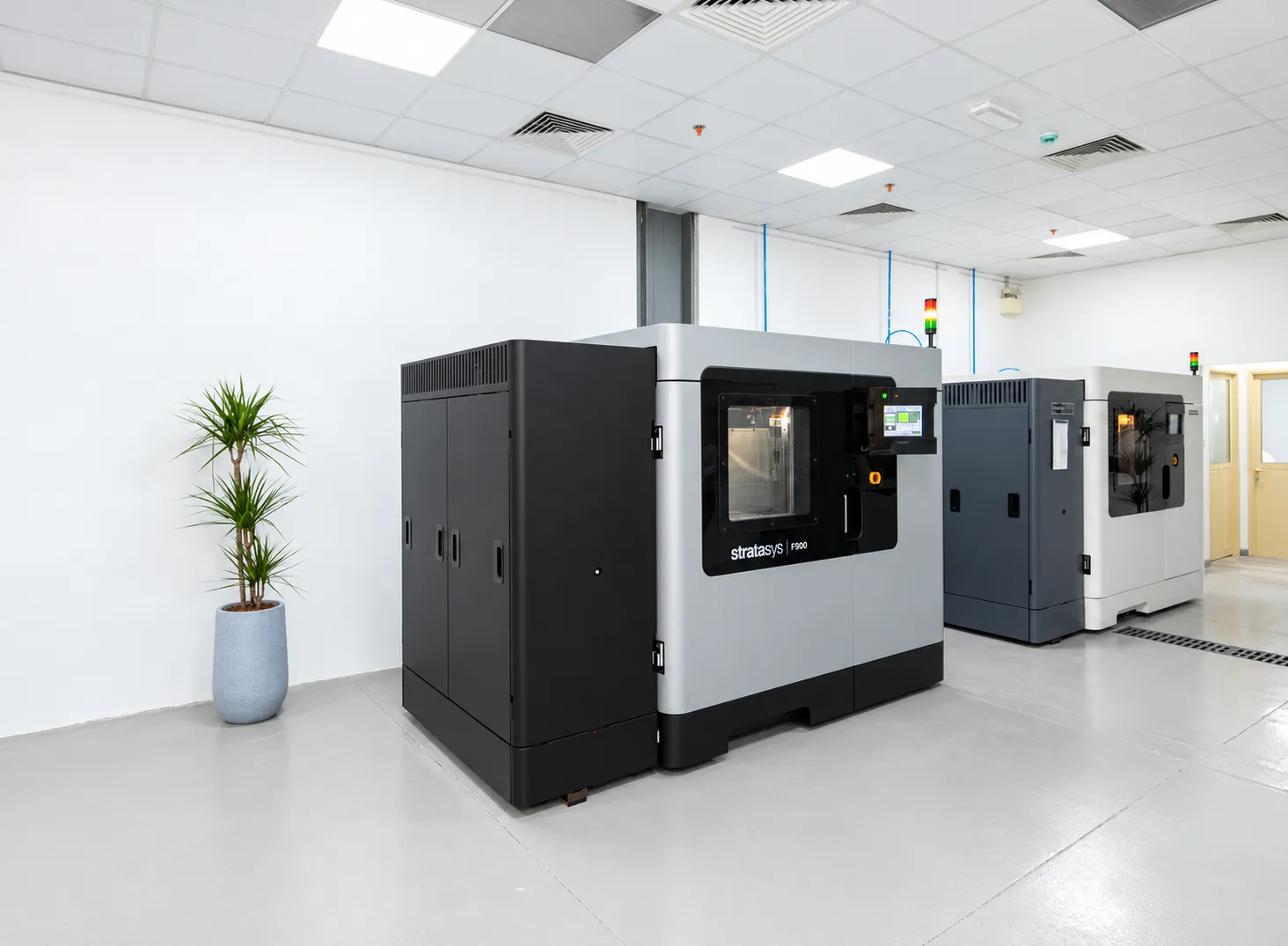 More about the Stratasys F900
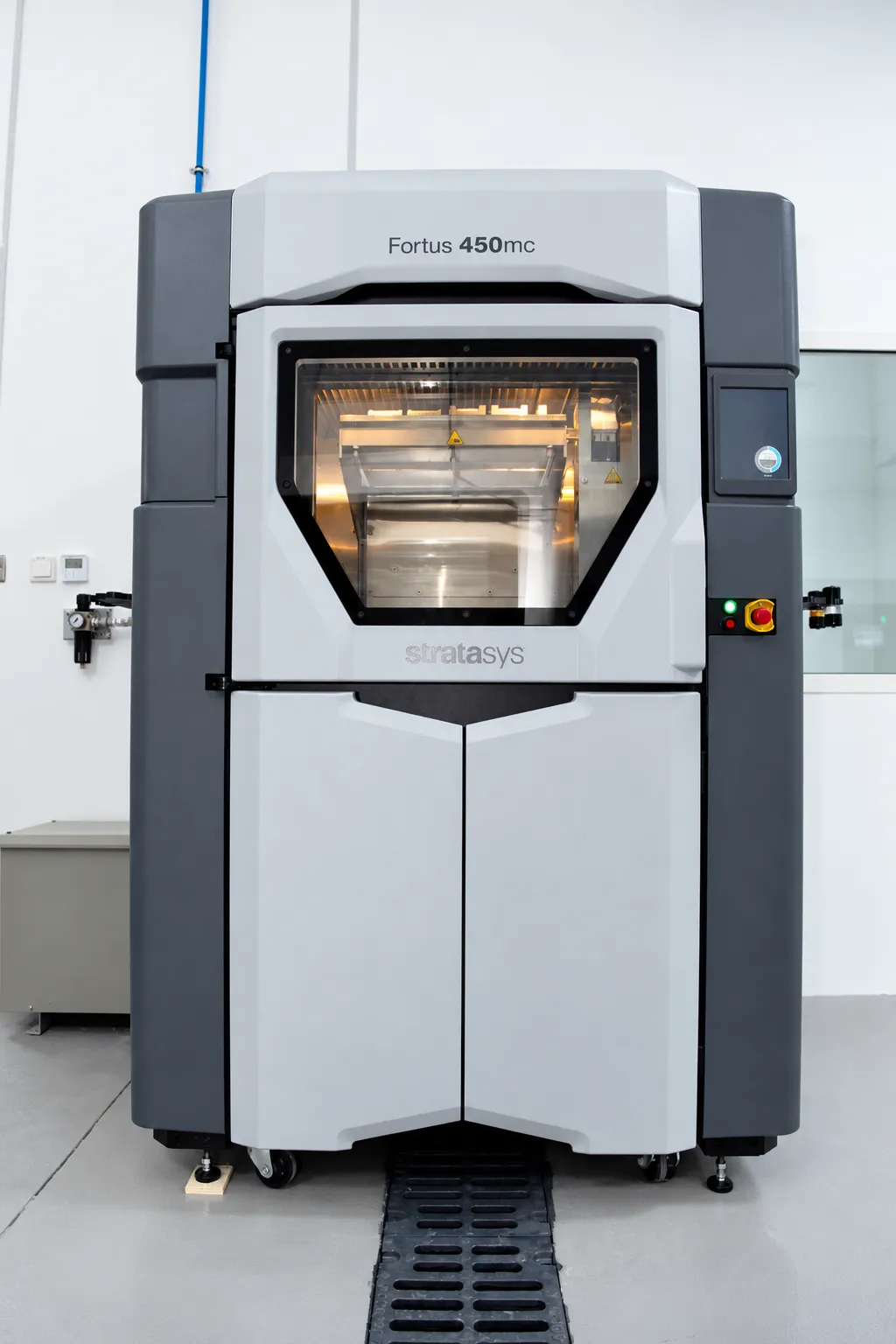 More about the Stratasys Fortus 450mc
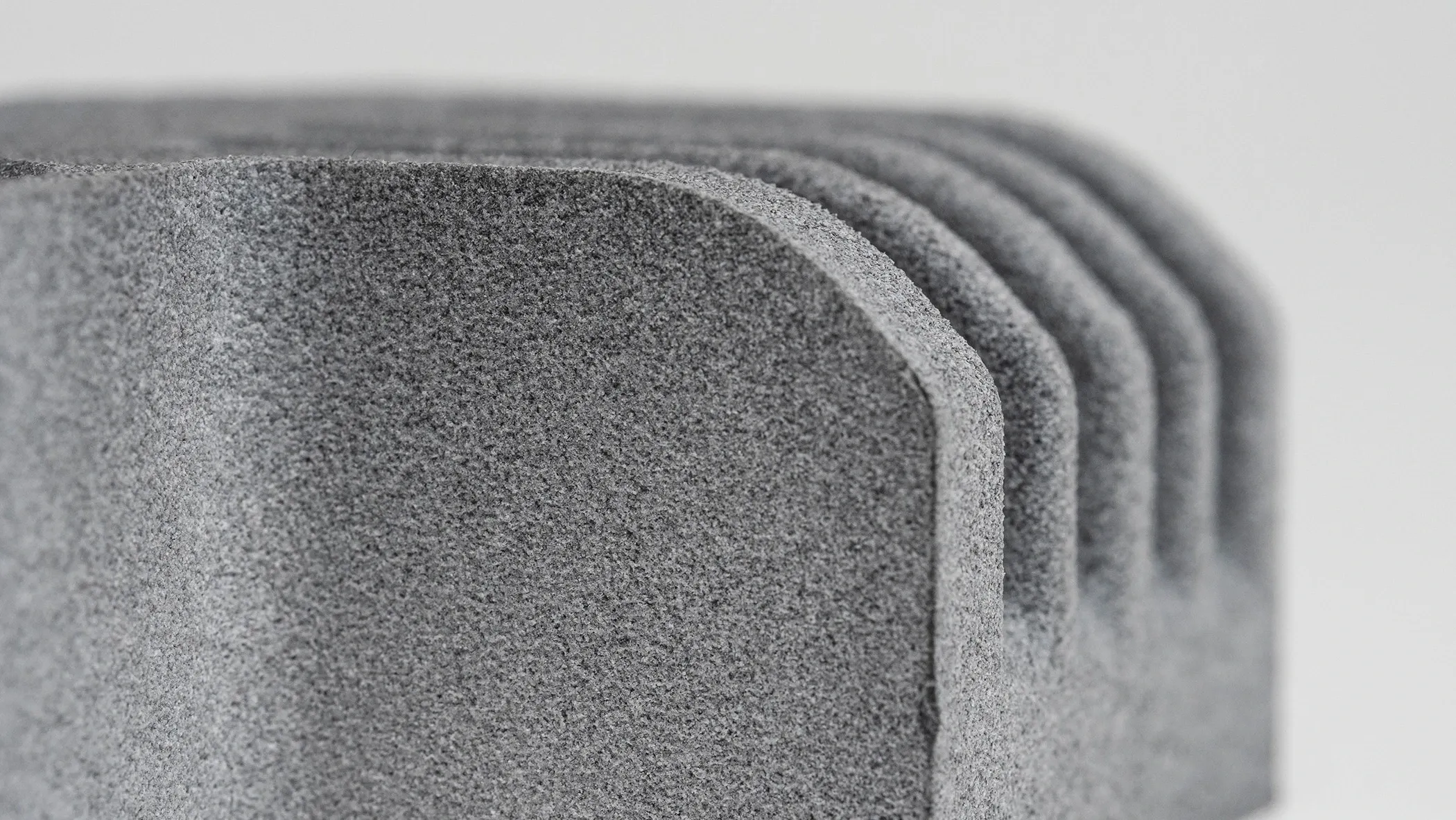
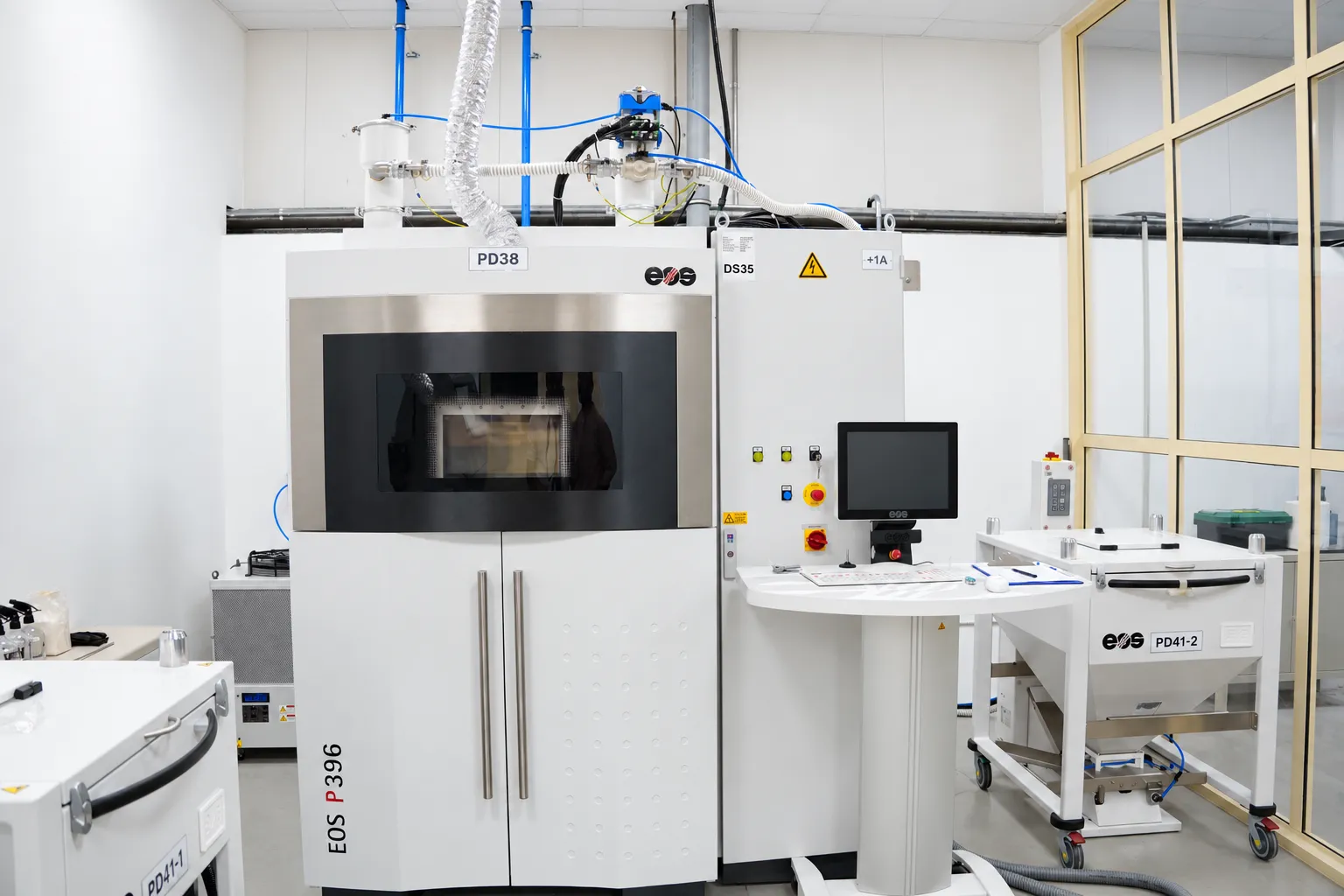 More about the EOS P 396
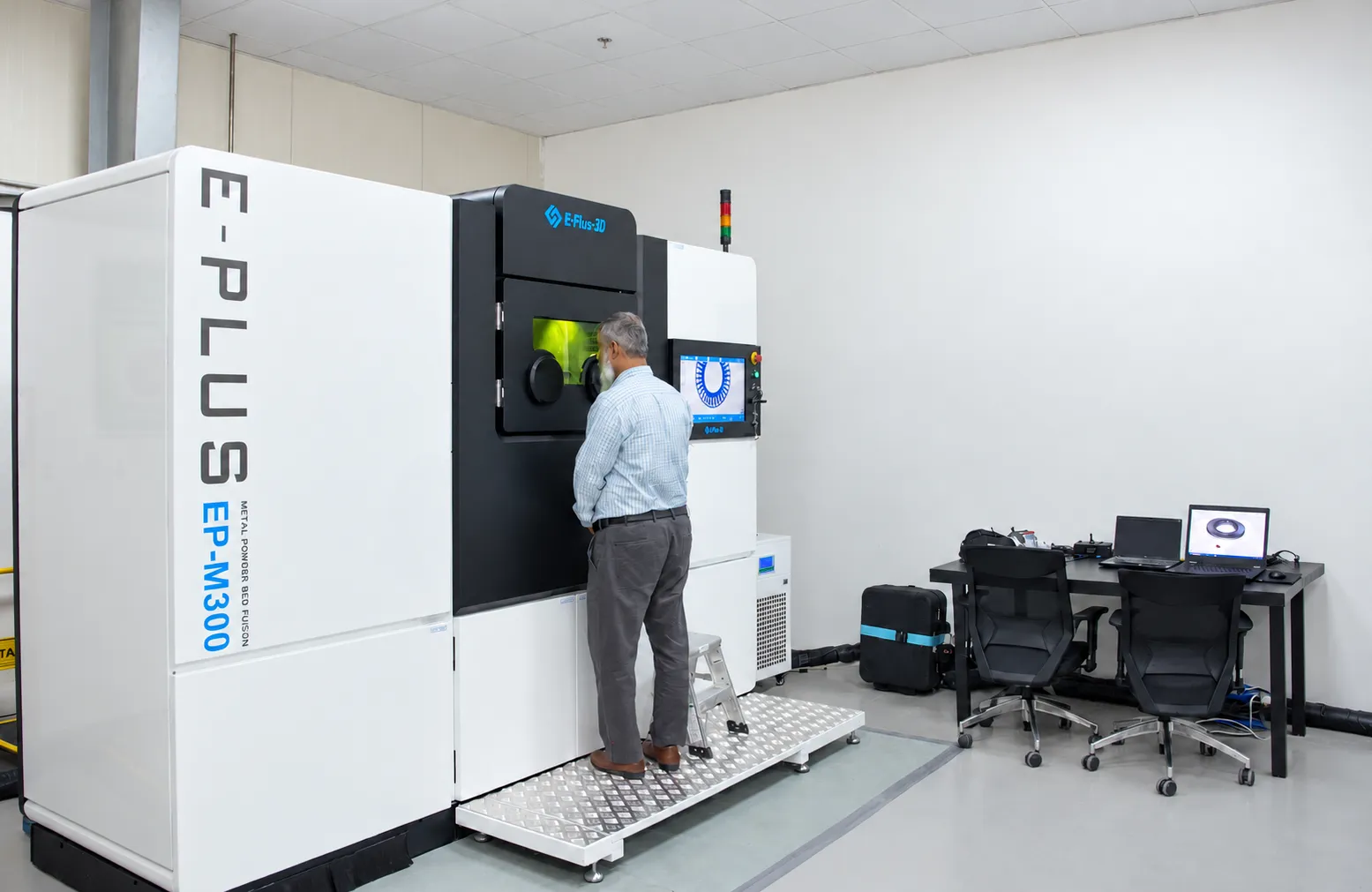 More about the Eplus3D EP-M300
Large format polymer manufacturing for functional end parts, production tooling, and prototypes. Produce larger parts in one piece, reducing the need for splitting and assembly.
Available materials include ULTEM 9085, Nylon 12CF, ASA and more.
More about the Stratasys F900* Build envelopes are given as X × Y × Z.
Materials libraryWe choose around contact loads, wear, temperature and chemical exposure. The grade and process follow what the part or tool has to survive.
| If the part needs | Consider | Typical end use |
|---|---|---|
| Strength and flame retardancy | ULTEM™ 9085 (FDM) | Housings, covers and structural parts for products and equipment |
| High temperature and stiffness | ULTEM™ 1010 (FDM) | End-use parts that run hot or carry load in demanding environments |
| Complex geometry in batches | EOS PA 12 (SLS) | Functional housings, clips and assemblies produced in series |
| Durable, UV-stable surfaces | ASA (FDM) | Enclosures, covers and visible parts for indoor and outdoor use |
| Strength and heat in metal | Metal 3D printing (stainless steel, aluminium, titanium) | Brackets, manifolds and loaded components |
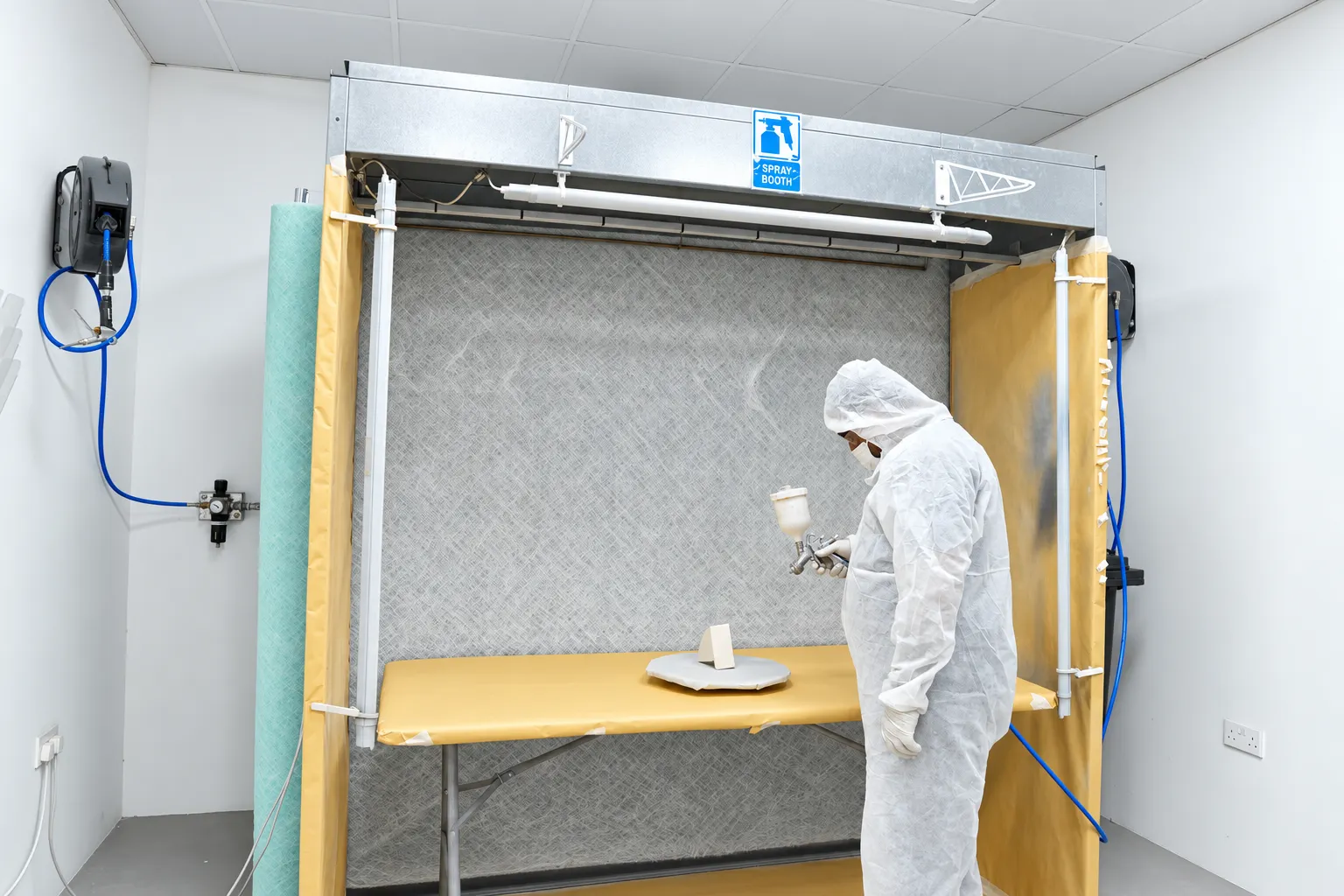
Beyond printing, we prepare, finish and assemble components to meet the appearance, fit and functional requirements of your product or equipment.
Tell us what the part or tool has to do. Material, build orientation and finishing are chosen together, with inspection focused on the features that matter to the job.
Inspection scope and records are confirmed per order.
Anything else? See all FAQs
Yes. We produce polymer and metal components for installation in products, machinery and equipment. Material, dimensions, finish and inspection requirements are agreed around the component’s intended function.
We assess whether an engineering polymer can meet the required loads, temperature, wear and environmental conditions. Where suitable, we adapt the design to reduce weight or simplify manufacture while retaining the necessary function.
Yes. Where greater stiffness, temperature resistance or durability is required, we can assess a metal alternative. We review geometry, attachment points and surrounding components to establish the changes needed.
It can be, particularly for complex components, limited production volumes and products with several design variants. We assess quantities, repeat demand and finishing requirements to establish whether it offers a practical supply option.
Yes. Our manufacturing processes cover different part sizes and levels of detail. Larger components may be produced in one piece or as joined sections, depending on the material, geometry and assembly requirements.
We can review assemblies for opportunities to integrate features and reduce separate components, fasteners and assembly work. Access, maintenance and replacement needs are considered before recommending a combined design.
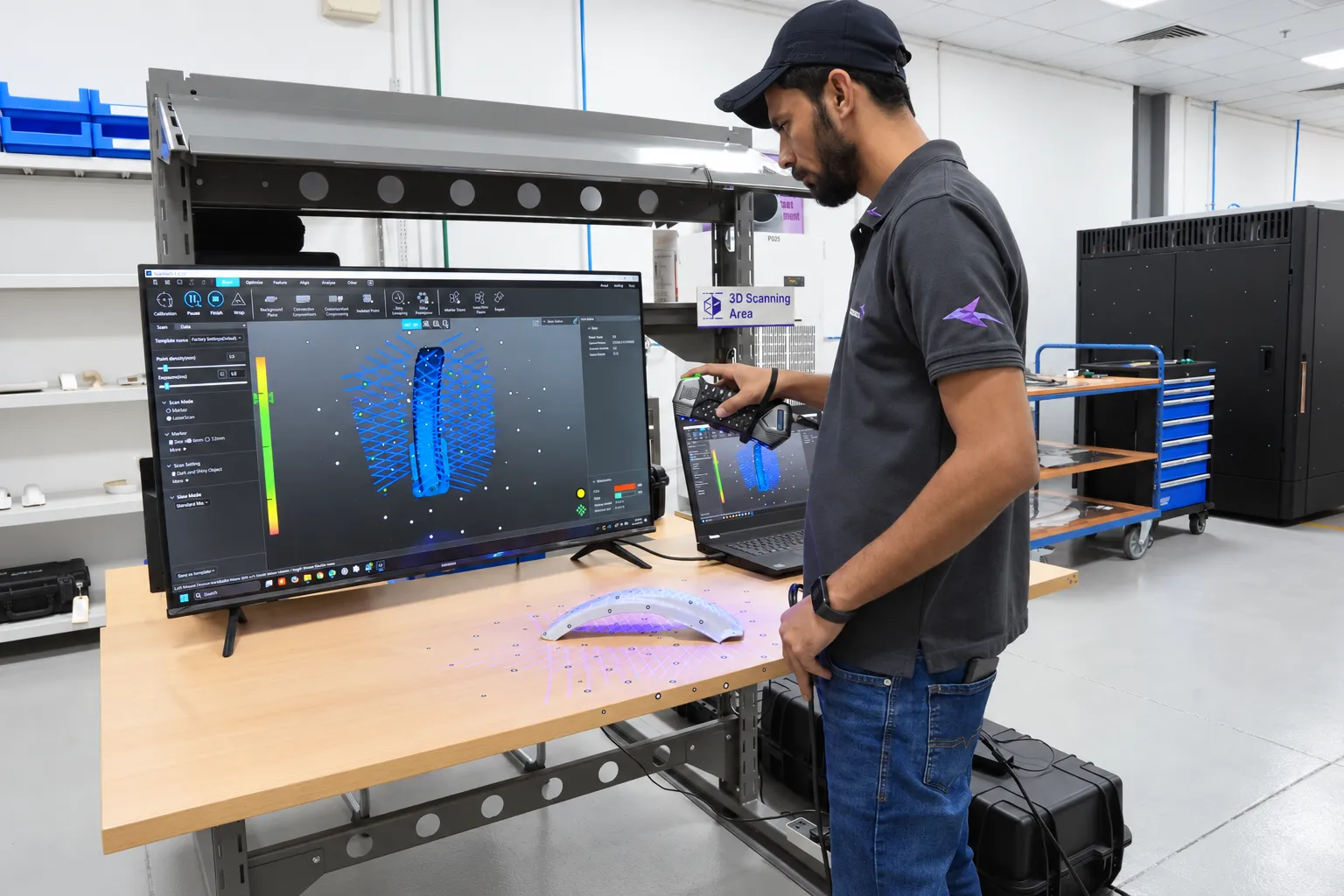
An existing sample, drawings or measurements can provide the starting point for reverse engineering. We establish critical dimensions and interfaces with you before manufacturing a replacement.
Send a drawing, a CAD file, or photographs and the old part. Tell us what it does, how many you need and when.