




Production time and programme lead time
When an operator considers additive manufacturing for a hard-to-source cabin part, one of the first questions is usually:
How quickly can the required batch be delivered with the applicable authorised release documentation?
It is the right question. However, the answer depends on more than manufacturing capacity.
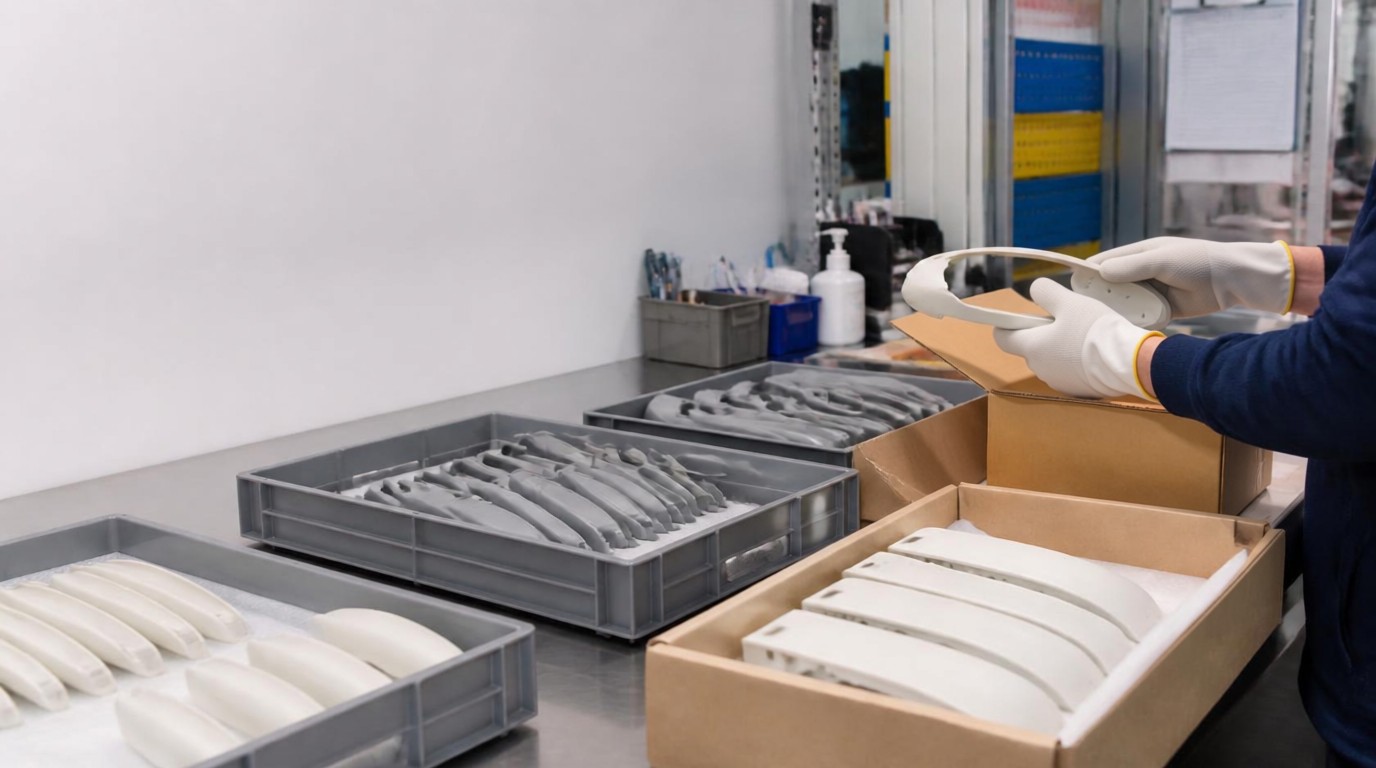
A cabin component may take hours or days to produce. Establishing exactly what must be produced can take considerably longer.
Confirm the approved configuration
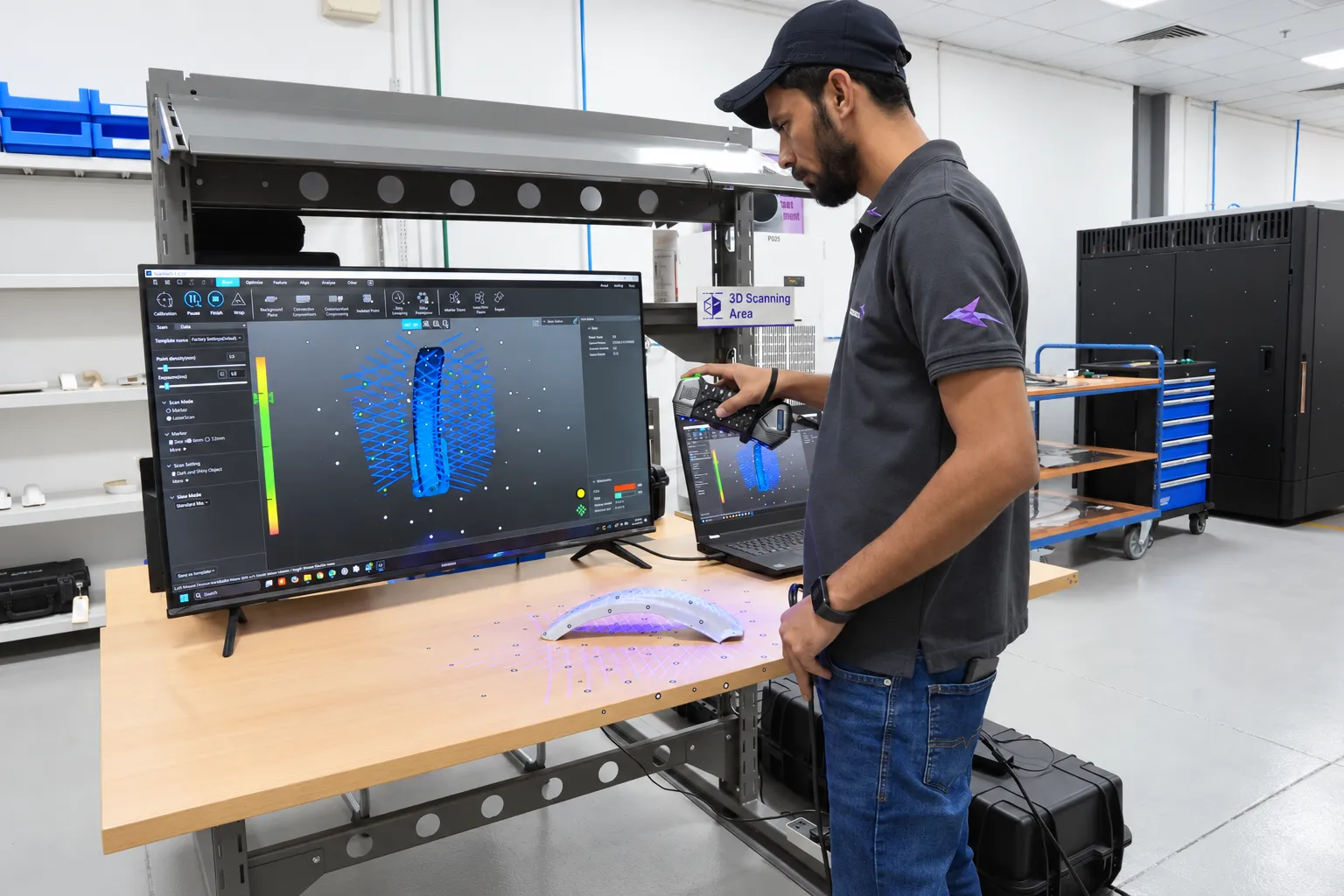
A physical sample, photographs and a part number are useful starting points. They may still leave important questions unanswered.
Aircraft interiors change throughout their service life. Parts that appear identical may belong to different aircraft variants, cabin configurations, modification standards or installation positions. Colour, finish and release requirements may also vary.
If these differences are identified after the project has started, the effect reaches beyond engineering. The quotation may need to change. Additional design or approval activity may be required. A delivery date that initially appeared realistic may no longer be achievable.
This is not a delay created by additive manufacturing. It is part of ensuring that an aviation component conforms to the correct approved configuration.
How information gaps add up
From the operator’s side, the delay often appears as a series of reasonable requests.
Procurement contacts cabin engineering. Engineering checks the available technical publications. Maintenance confirms what is installed on the aircraft. Further questions return to the supplier or the relevant technical data owner.
No individual exchange appears significant. Together, they can become the longest part of the programme.
Align the right stakeholders early
The answer is not to send every available document with every enquiry. That can create another type of delay.
The more useful approach is to involve the relevant stakeholders early enough to confirm what is known, what remains uncertain and whether the requirement has been identified correctly.
This also creates a more reliable commercial starting point.
When the configuration and technical context are clear, the production and design teams can assess feasibility, approval implications and expected delivery with fewer assumptions. The operator receives a quotation and schedule based on a defined requirement rather than an estimate that may change later.

A clear requirement before production
Additive manufacturing can shorten the production route for suitable cabin parts, particularly where conventional tooling, lead times or minimum production quantities no longer match the requirement.
It cannot compensate for uncertainty about the component, its installation or the approved configuration under which it must be supplied.
This is why production time and complete programme lead time should not be treated as the same thing.
For recurring cabin requirements, early coordination between procurement, engineering, maintenance and the relevant technical data owners can have more influence on the delivery date than printing speed.
Before asking how quickly a part can be manufactured, it is therefore worth confirming whether the requirement is clear enough for the programme to begin.