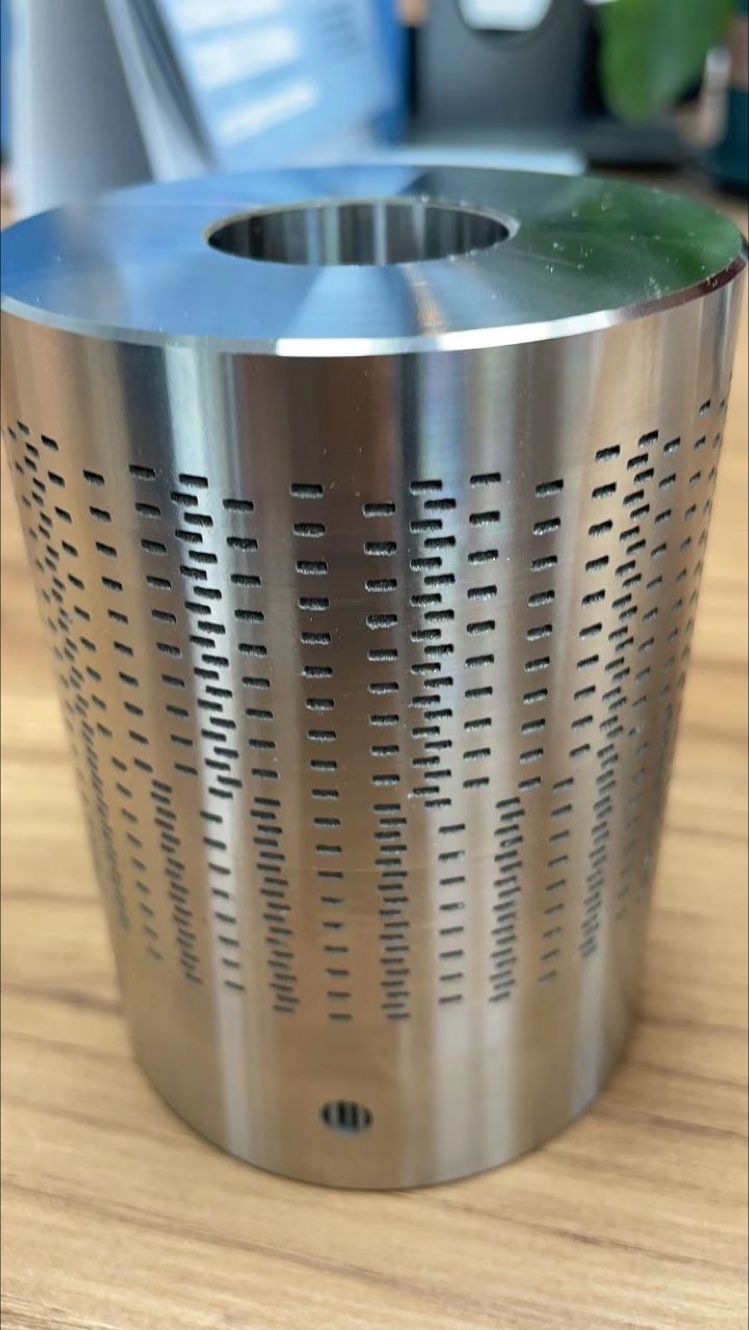
Valve internals
Cages and trim with flow paths that are slow or impossible to machine.
Industries
Parts and tooling for sectors where downtime is expensive and paperwork matters.
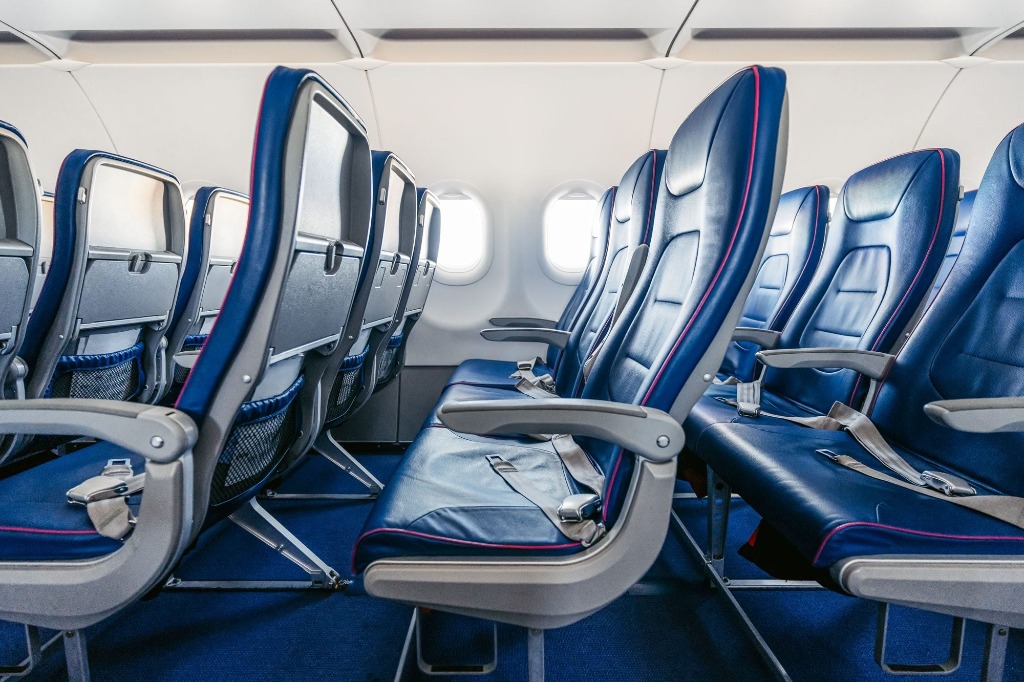
All industries AviationCabin interior parts released with EASA Form 1.
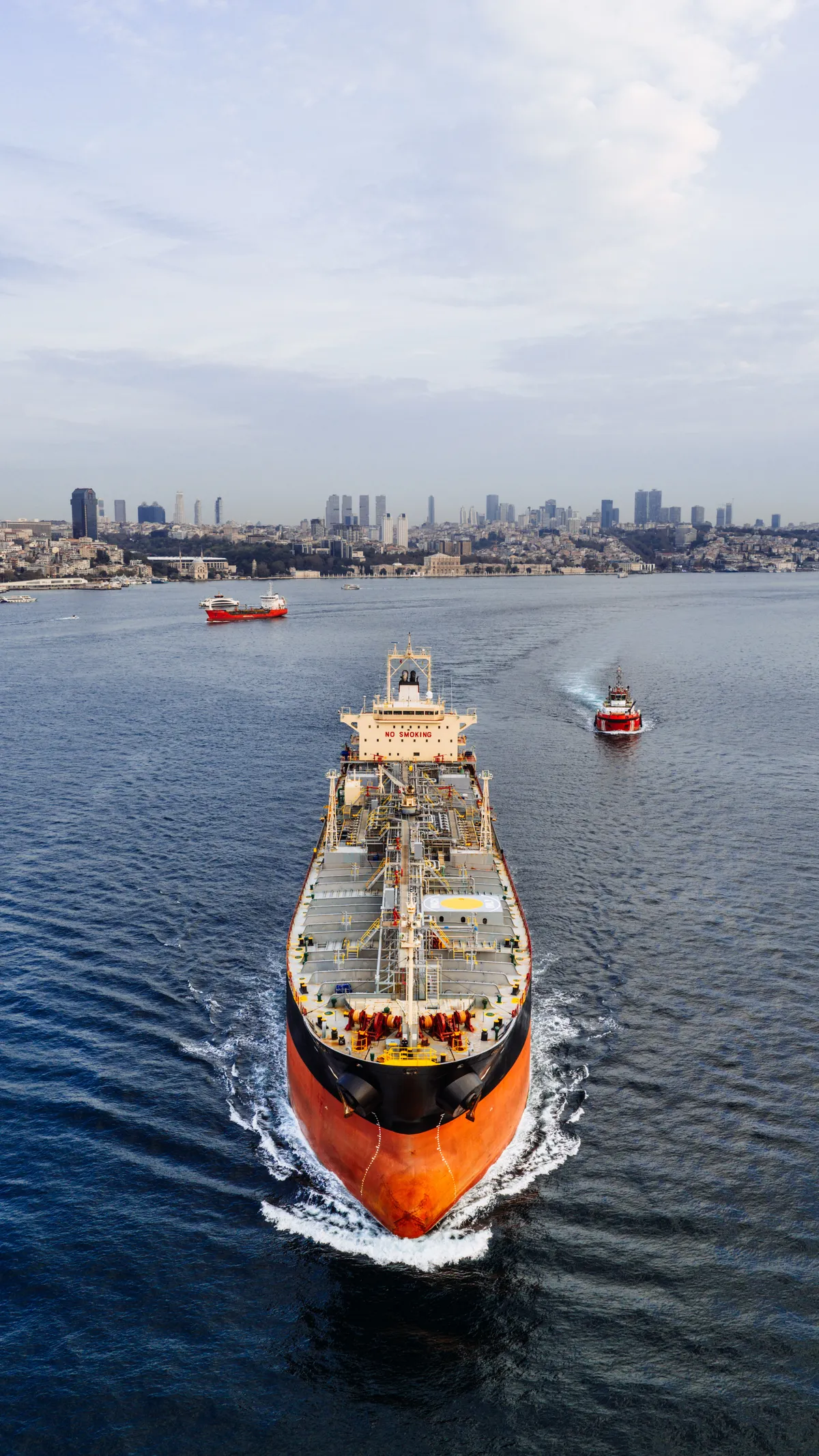 MaritimeReplacement parts and tooling that keep vessels running.
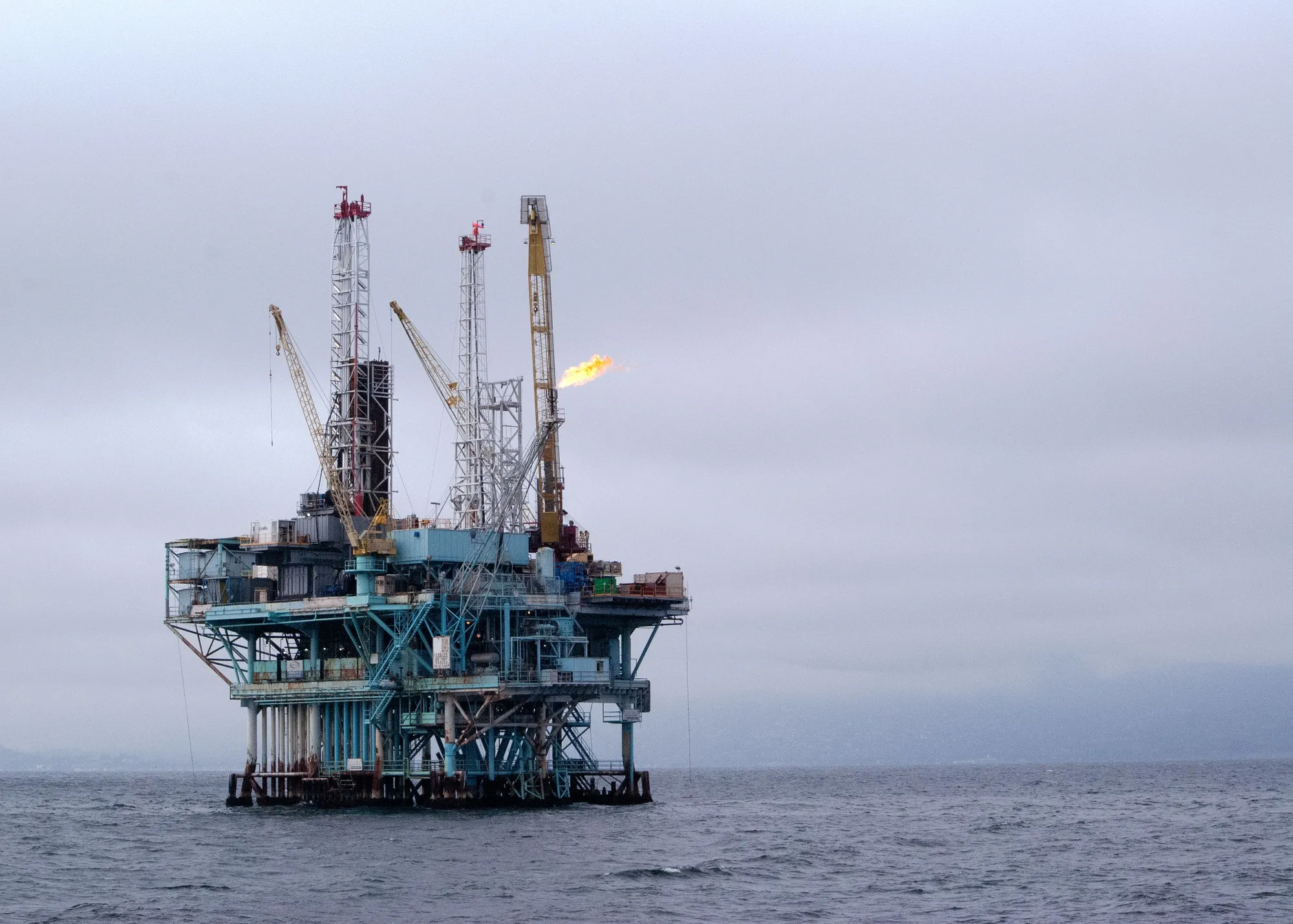 Oil & GasObsolete components rebuilt in polymer and metal.
 Industrial ManufacturingJigs, fixtures and end-use parts for the factory floor.
 Aerospace & DefenceControlled, local manufacture for sensitive programmes.
Company
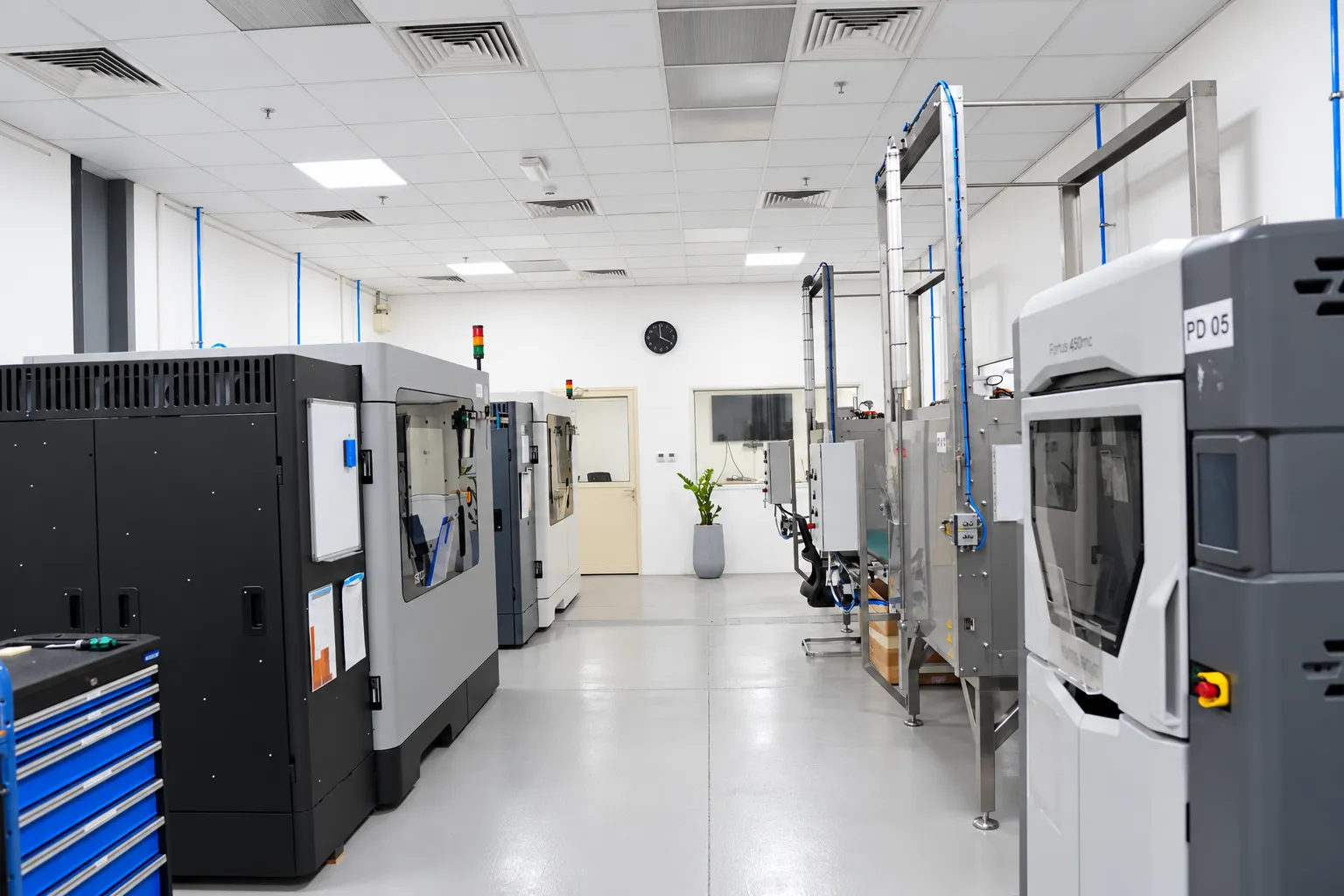
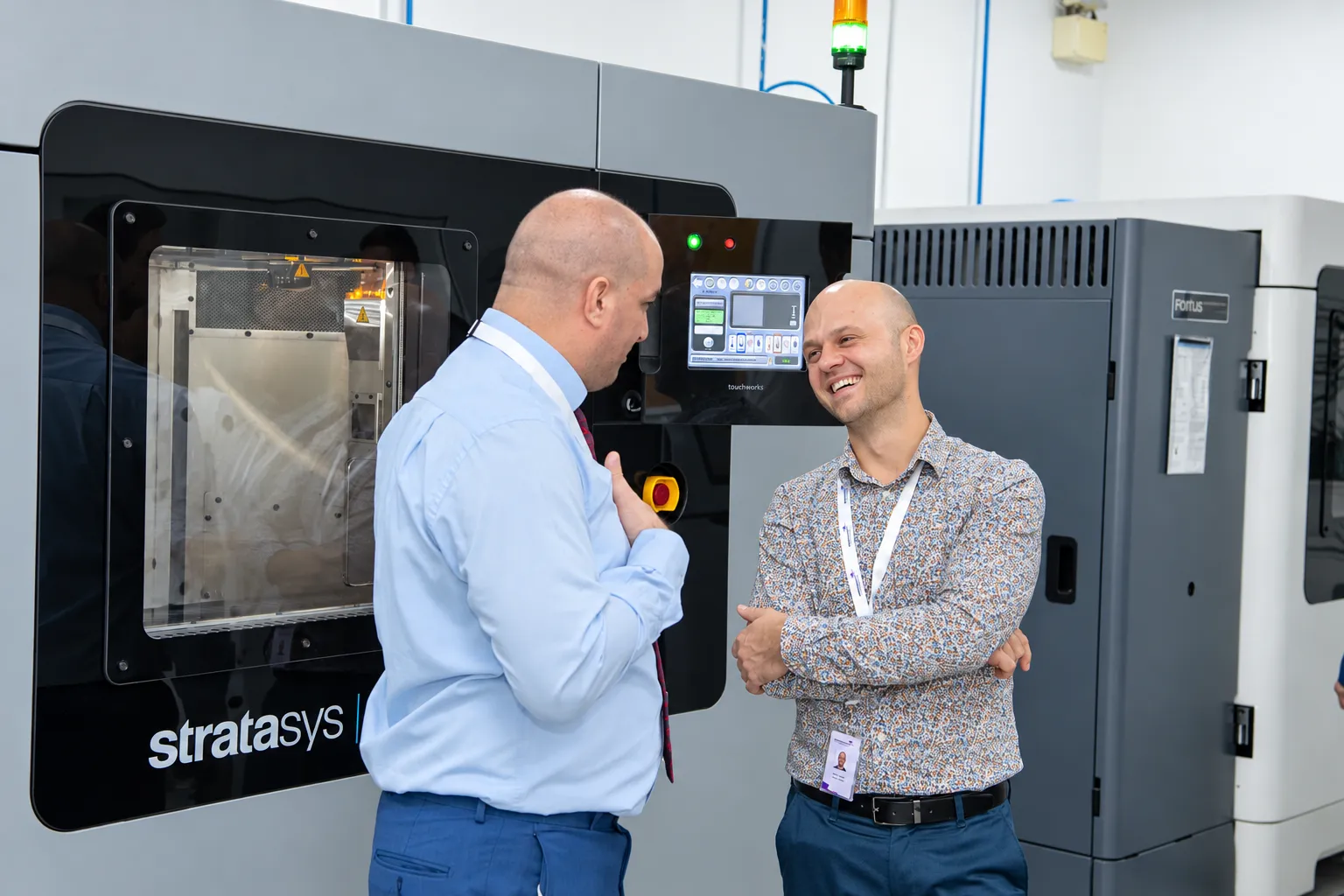
A 10,750 sq ft additive manufacturing facility in Jebel Ali, Dubai, since 2023.
About Paradigm 3D
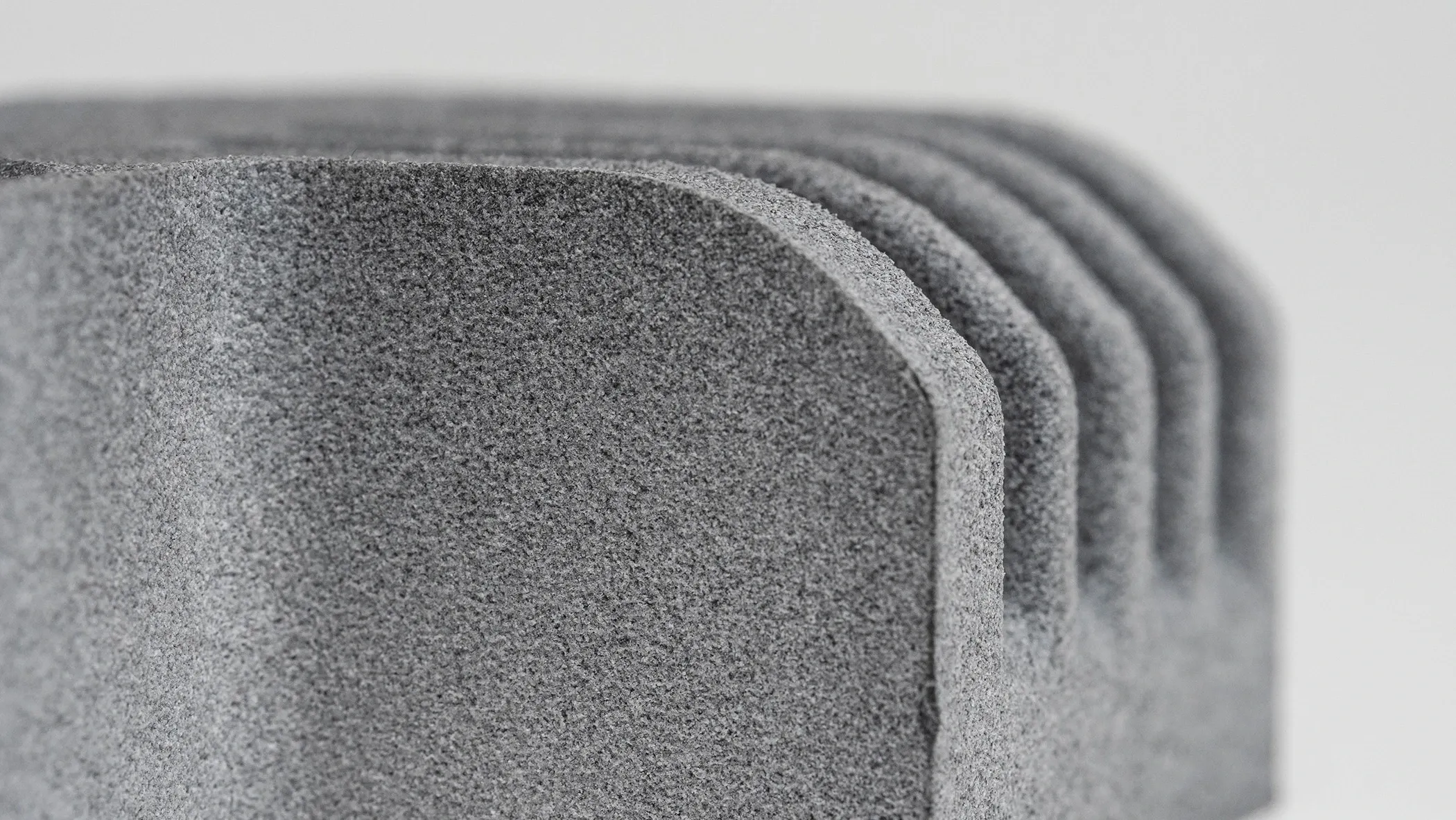
Dense metal parts on an Eplus3D EP-M300 in Jebel Ali. Internal channels, lattices and consolidated assemblies that machining and casting cannot reach.

A fibre laser melts selected areas of a thin metal powder layer in a controlled atmosphere. The part grows on a build plate, held by supports that are removed afterwards.
We select the alloy and review orientation, supports, heat flow and critical features.
The laser melts each fresh powder layer in a controlled atmosphere until the part is complete.
Loose powder is recovered, then the part is separated from the plate and supports are removed.
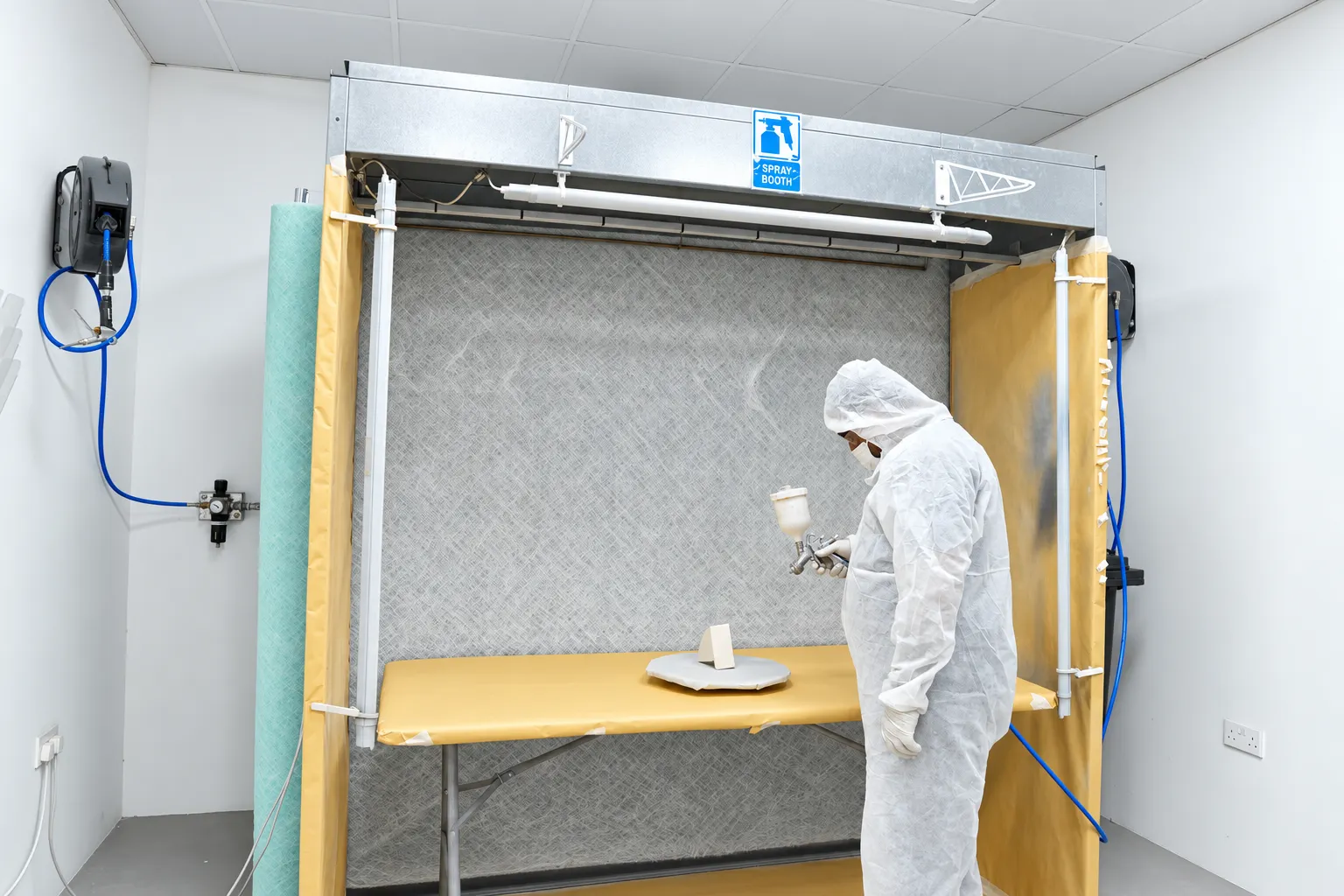
Heat treatment, machining and surface finishing as specified, then inspection of critical features.
Metal LPBF pays off when the shape is the problem: internal passages, weight targets, many parts combined into one, or a spare nobody makes any more.
Cages and trim with flow paths that are slow or impossible to machine.

Optimised structures that put metal only where the load path needs it.
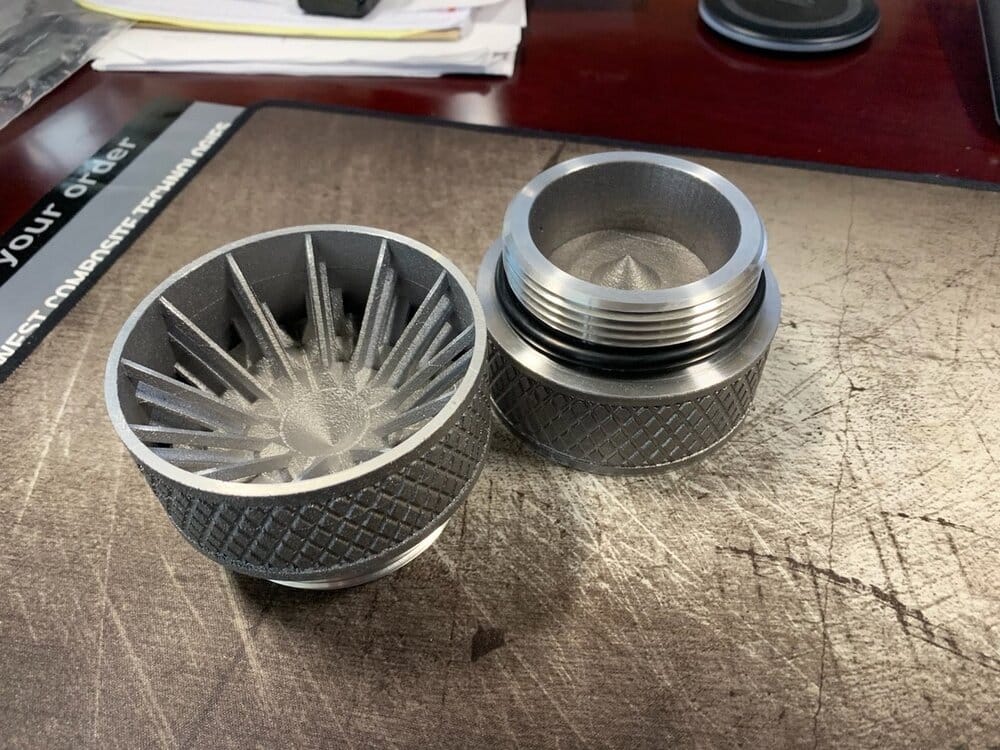
Obsolete or long-lead components rebuilt from scan data and printed on demand.
Digital spare partsMetal printing is powerful and costs more per part than polymer. Here is how it compares with our FDM and SLS systems.
| Compare | Metal LPBF | FDM | SLS |
|---|---|---|---|
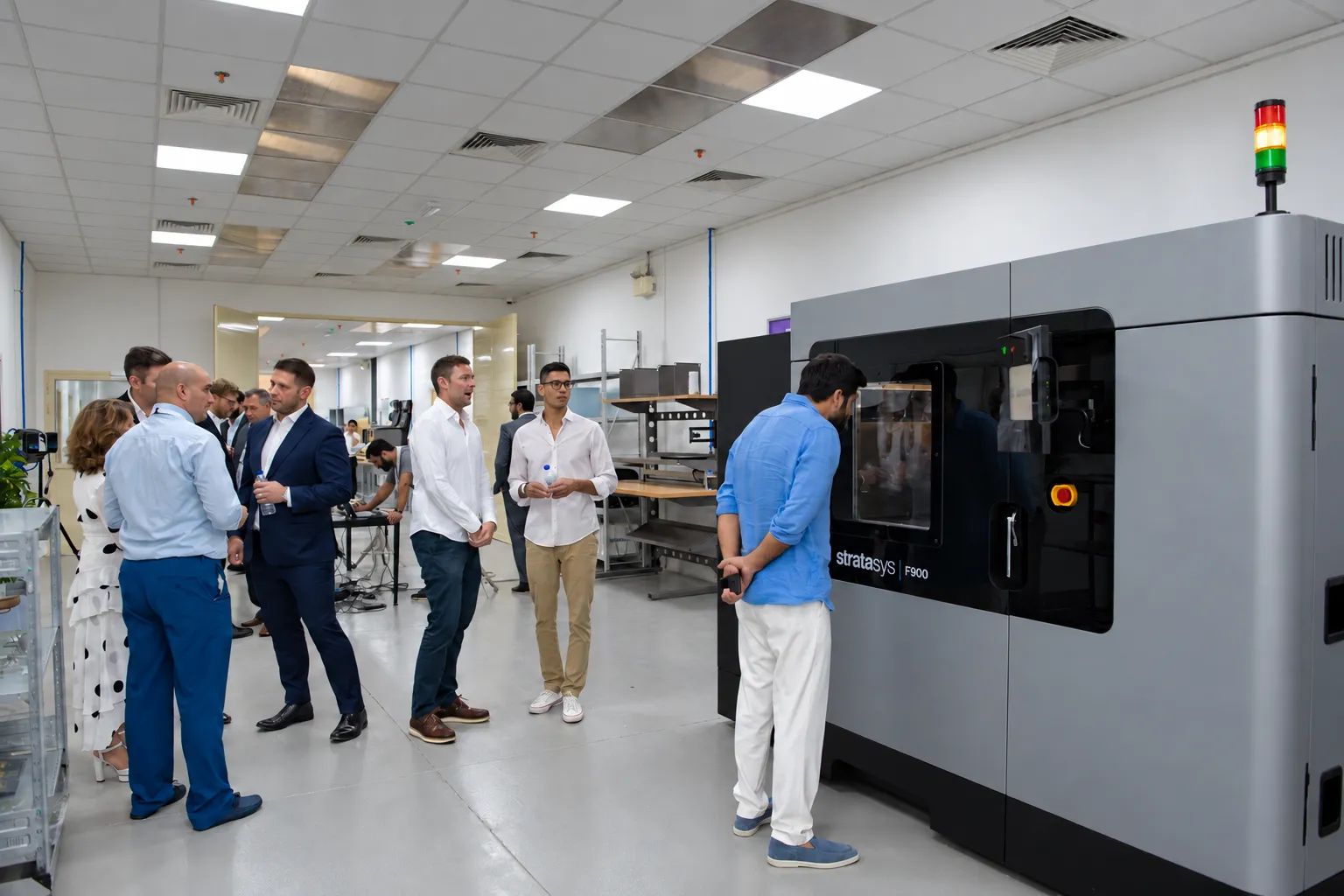
| Largest envelope | 300 × 300 × 450 mm (EP-M300) | 914 × 610 × 914 mm (F900) | 340 × 340 × 600 mm (EOS P 396) |
| Layer thickness | 20–120 μm | 0.127–0.508 mm | 0.06–0.18 mm |
| Materials | 7 alloy families, from stainless steel to titanium and nickel | 18 engineering thermoplastics, including ULTEM™, PC, ASA and PEKK | 13 polyamide, flame-retardant, filled and flexible powders |
| As-built surface | Textured metal; critical faces often machined | Visible layer lines | Fine, matte texture |
| Supports | Supports and a build plate, removed after the build | Support material under overhangs | None; the powder supports the part |
| Strength | Fully dense metal parts | Tough thermoplastic parts, strongest along the layers | Tough nylon parts with complex geometry |
| Typical uses | Valve internals, manifolds, impellers and brackets | Cabin interior parts, large housings, jigs and fixtures | Ducting, housings, clips and serial batches |
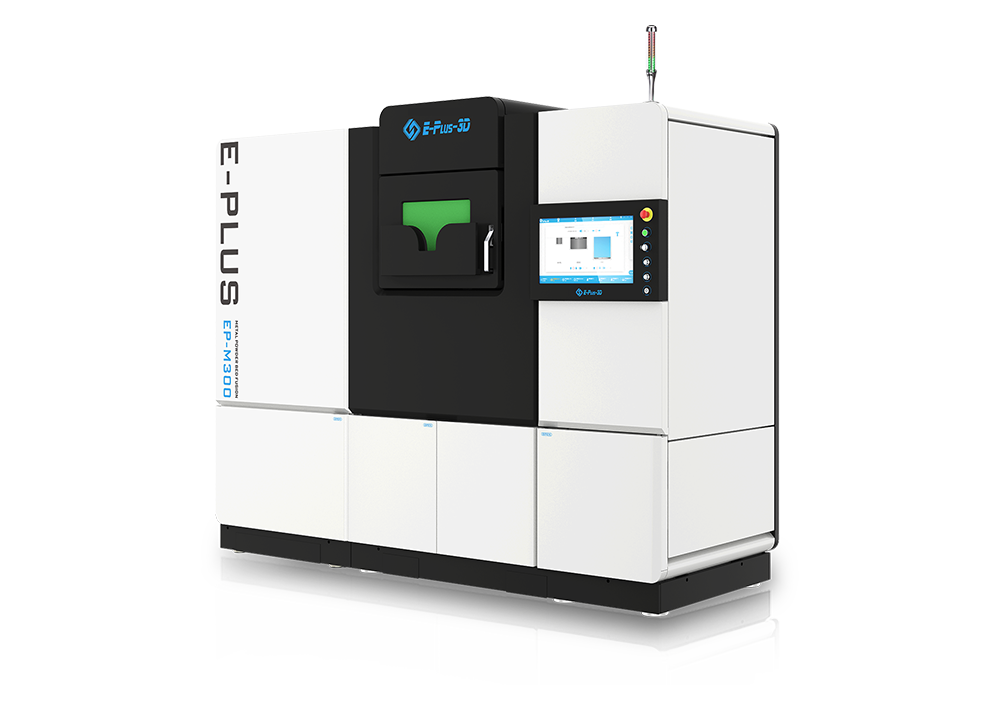
An industrial metal powder bed fusion system for dense parts in a wide range of alloy families.

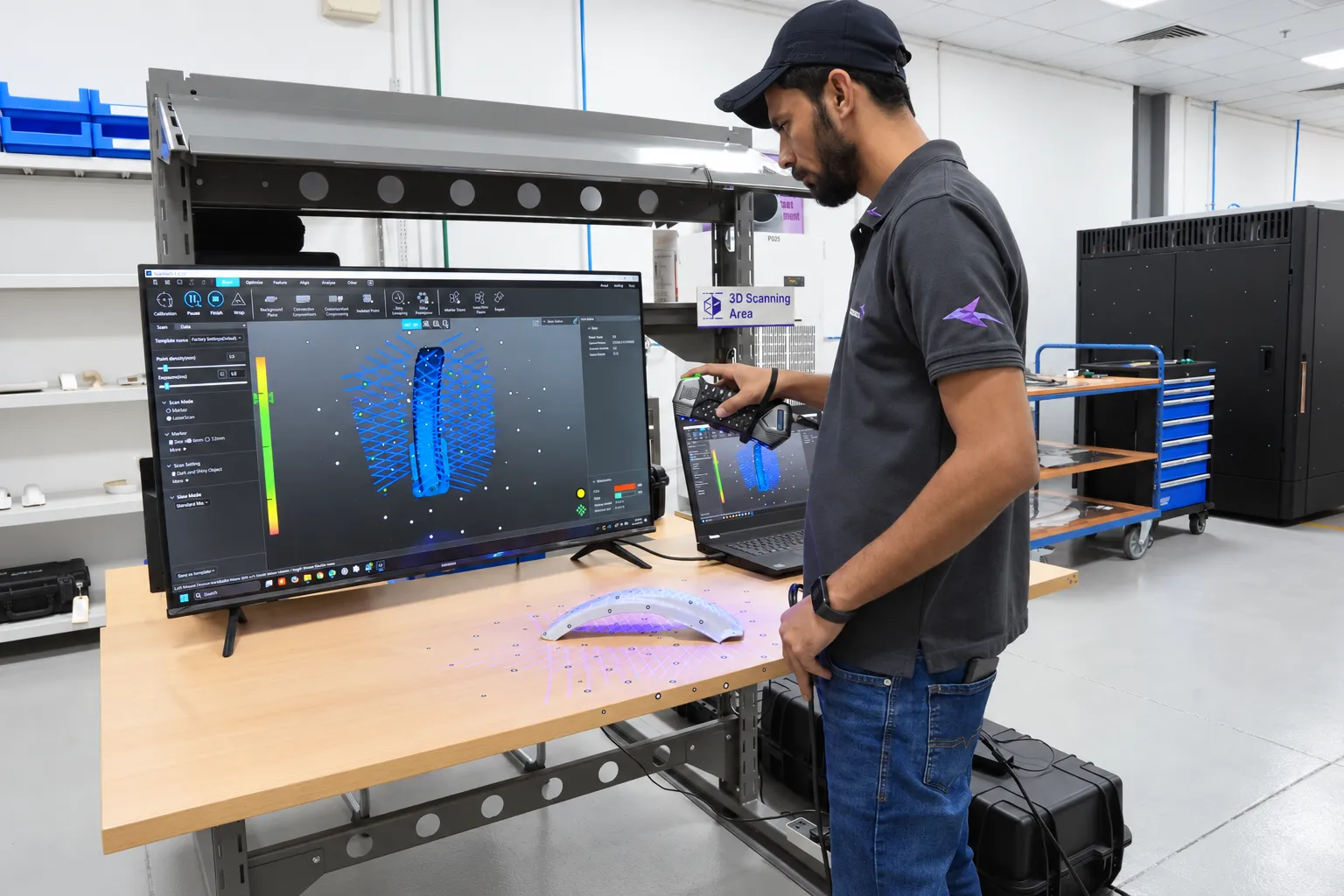
With oil and gas consultant 3D Energy and technology partner Eplus3D, we scanned an existing labyrinth cage, adapted the design for additive manufacturing and printed it in metal.
From corrosion-resistant stainless steel to light titanium and heat-resistant nickel. Open any family for manufacturer data and typical uses.
Process hardware and tooling.
Aerospace and medical components.

Brackets and heat exchangers.
Energy and aerospace hardware.
Dental and industrial hardware.
Tooling and engineering parts.
Heat exchangers and electrical parts.
Search all 38 polymers and alloys by name, process or property.
Open the libraryListed alloys are manufacturer references. The powder grade and parameter set are confirmed per order.
Send the CAD as it is. These are the points our engineers check first, and where a small change makes a better metal part.
Overhangs need supports that anchor the part and carry heat away. Leave access to remove them.
Thick sections and abrupt changes concentrate stress. We plan orientation and heat treatment around them.
Channels need a powder escape route and a way to inspect them once the part is finished.
Mark datum faces, bores and sealing surfaces so we add machining stock where it is needed.
Parts are cut from the plate after the build. Allow for that base and its finish in the design.
The EP-M300 range is 20–120 μm. Finer layers add detail; thicker layers build faster.

A printed metal part is rarely finished straight off the plate. We plan every step after the build before it starts.
Anything else? See all FAQs
They are names for the same family of processes. SLM and laser powder bed fusion both melt metal powder with a laser, layer by layer. Eplus3D describes the EP-M300 as a metal powder bed fusion system.
Not automatically. Material, surface condition, critical dimensions, heat treatment and inspection are assessed against the application before a printed part replaces a machined one.
The EP-M300 handles stainless steel, titanium, aluminium, nickel alloys, cobalt chrome, maraging steel and copper alloys. Tell us the specification you need and we match the powder grade.
Often on critical faces. The as-built surface is textured, so sealing faces, bores and datum features are usually machined. We add stock to those areas when we plan the build.
The EP-M300 builds within 300 × 300 × 450 mm, including the build plate. Orientation and supports reduce the usable space, so we confirm the size for your geometry.
STEP for 3D data and a PDF drawing showing critical dimensions and surfaces. If you only have the old part, we can scan and model it.
Send a drawing, a CAD file, or photographs and the old part. Tell us what it does, how many you need and when.