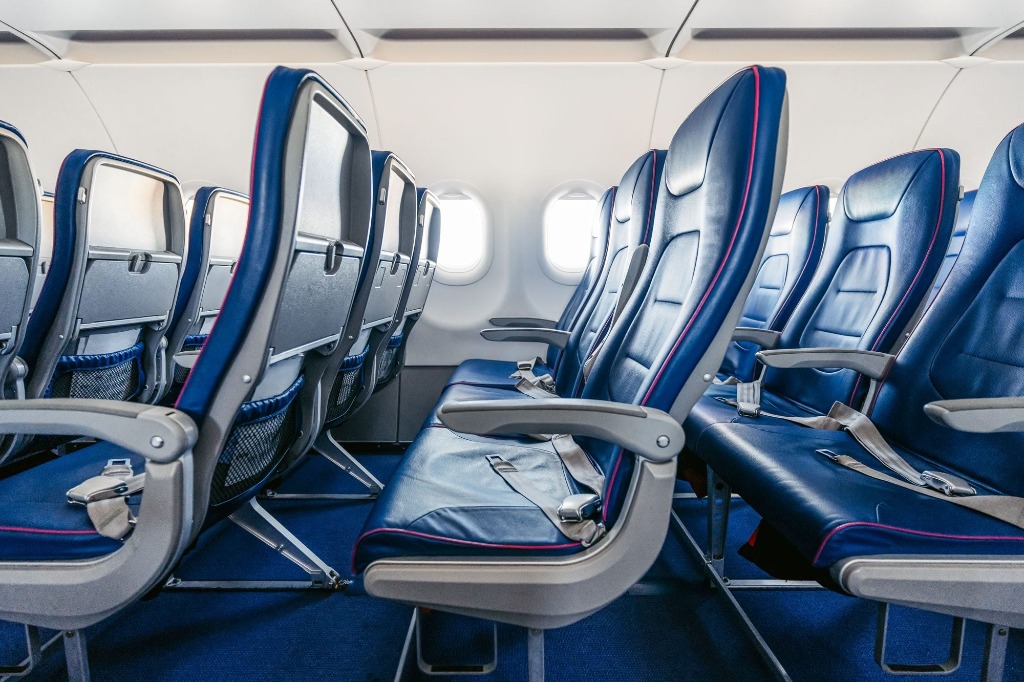
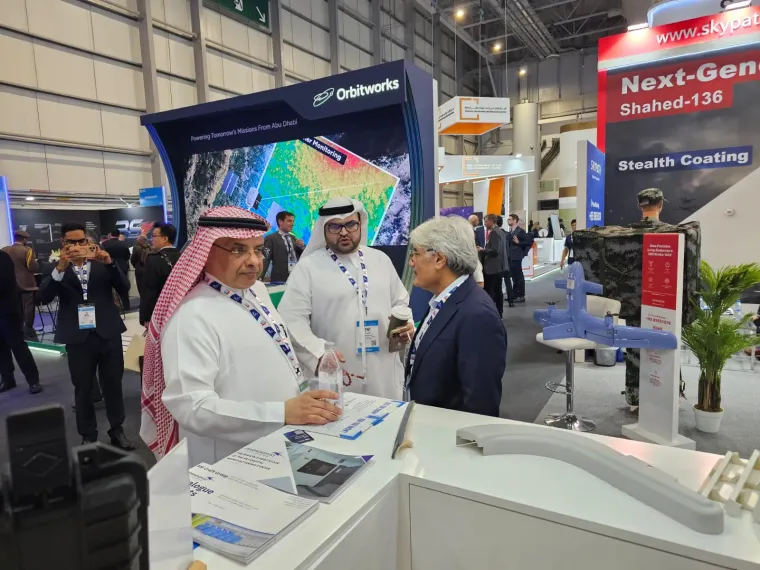
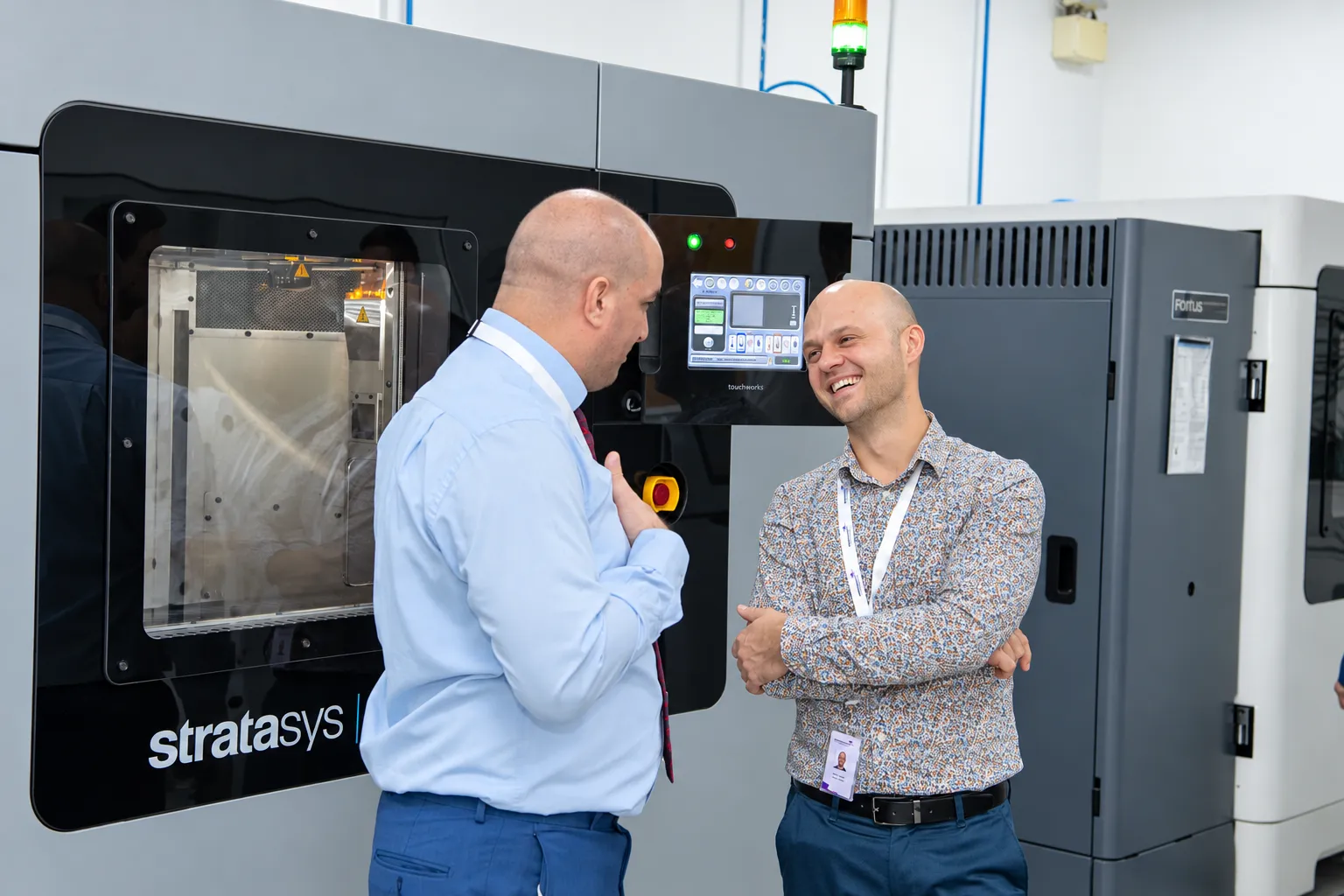

The recurring problem
The strongest cabin part enquiries rarely begin with a discussion about additive manufacturing.
They usually begin with a part that the operator cannot source quickly enough, or one that is being replaced far more often than expected.
In some cases, consumption is high across the fleet, and the existing supply route cannot maintain availability. In others, the part performs poorly in service, creating repeated defects, replacements, and scrap. The component may also be operationally important to cabin condition, even when it appears relatively simple from a manufacturing perspective.
These are different problems, but they lead to the same pressure.
Procurement repeatedly searches for stock. Engineering returns to the same requirement. Maintenance teams replace or temporarily repair the same components. Orders are placed urgently, yet the underlying availability or durability problem remains.
Look beyond the next order
At that point, the discussion should extend beyond the next purchase order.
The operator needs to understand why the requirement keeps returning. Is the supply lead time unsuitable for the actual consumption rate? Is demand spread across different configurations and part numbers? Is the existing component failing prematurely? Or is the original design creating unnecessary scrap during service and maintenance?
This is where an alternative production route can become relevant.
A production route that fits
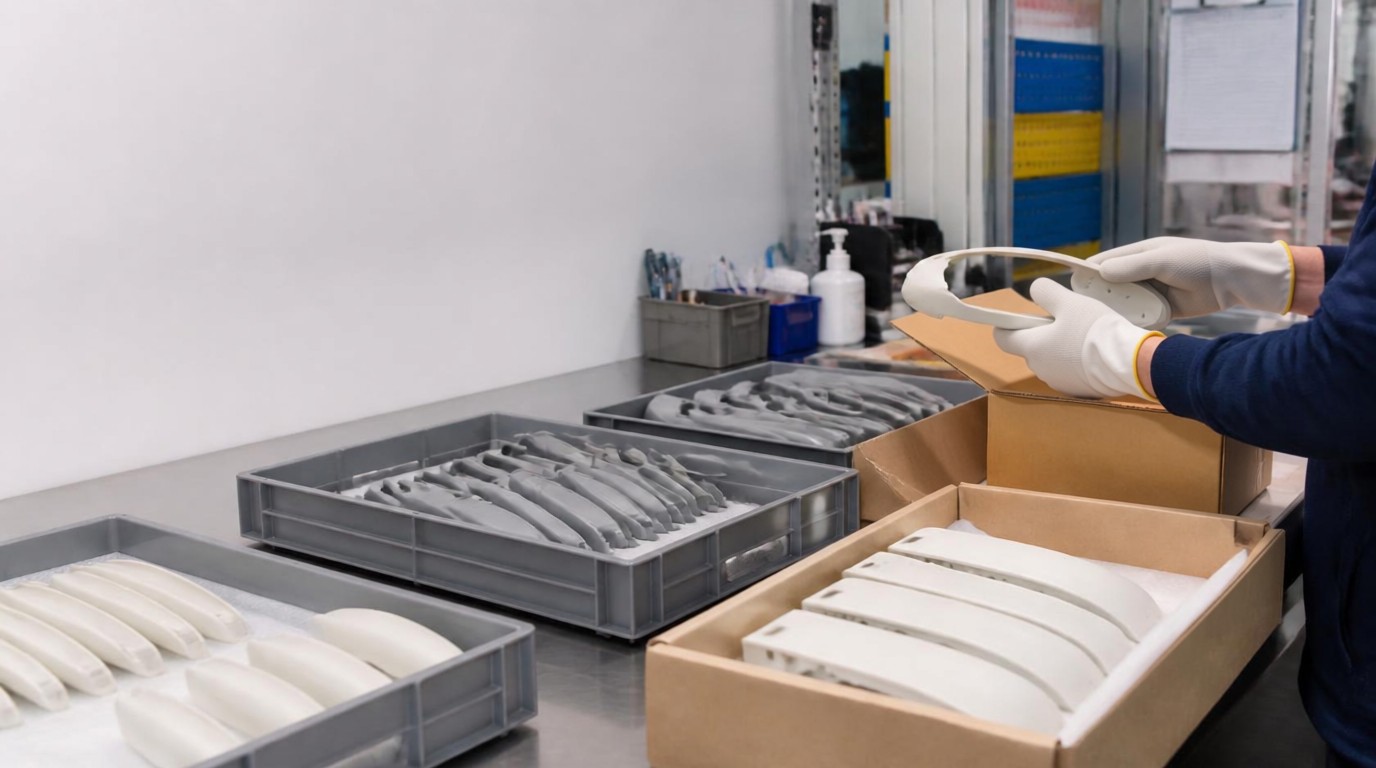
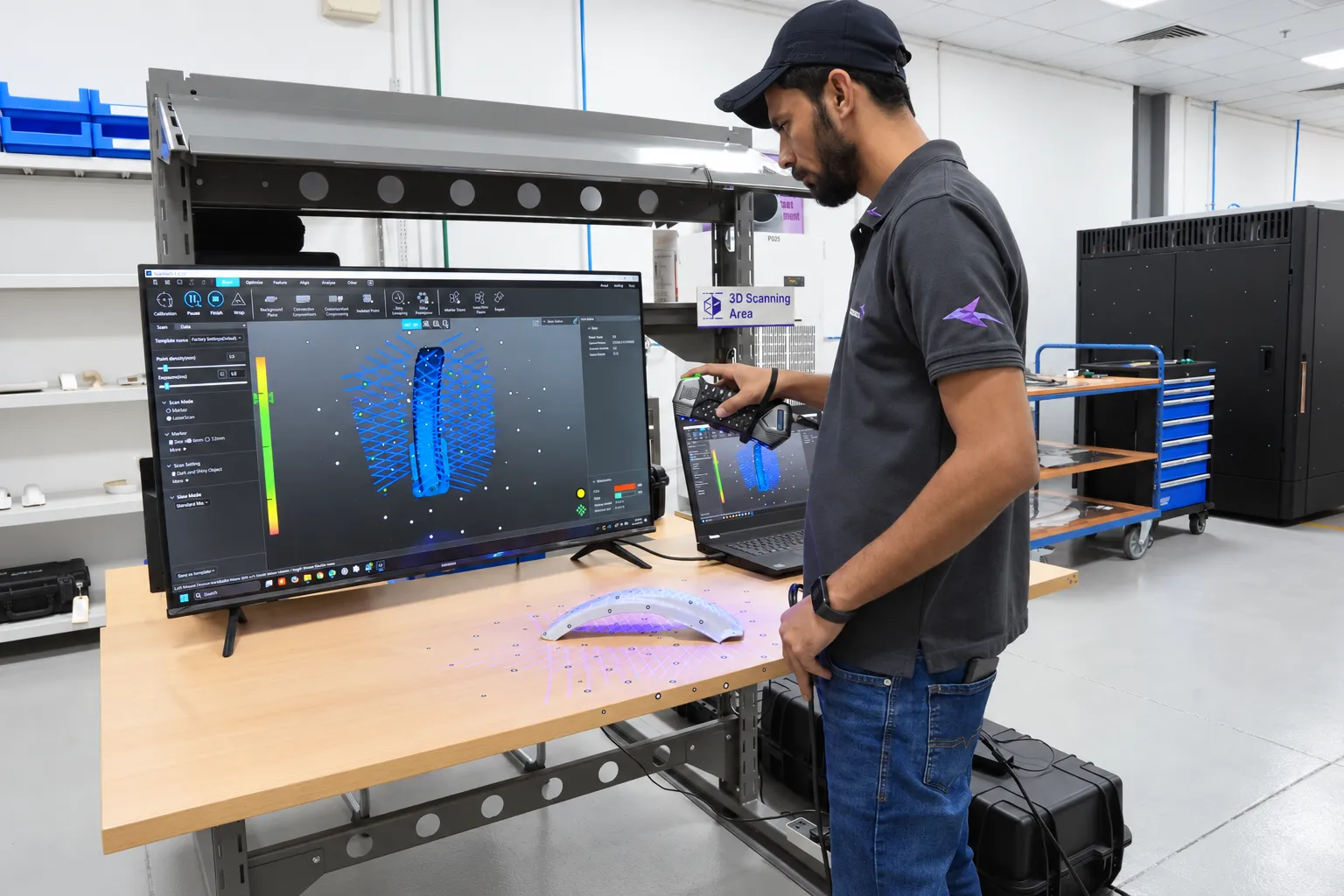
Additive manufacturing can support repeat production without depending on conventional tooling. It can also provide an opportunity for an appropriately approved design solution when the existing component needs better durability, more practical assembly features, or improved serviceability.
The objective is not simply to reproduce the same part using a different machine.
A successful solution must respond to the reason the operator is experiencing the problem. For a high-consumption component, that may mean establishing a reliable source capable of supporting recurring batches. For a failure-prone component, the greater value may come from an approved design development that reduces premature replacement and scrap.
Controlled technical assessment
The manufacturing technology and material should follow the application requirement. Material extrusion, powder-based processes and other polymer AM technologies offer different capabilities, but technology selection should remain part of the controlled technical assessment.
The same applies to design changes. Any revised configuration must follow the appropriate design approval route and be produced under controlled conditions with the required traceability, conformity and authorised release documentation.
Not every recurring cabin part problem will justify additive manufacturing. Expected demand, installation conditions, available technical data, approval requirements and remaining fleet life all influence the business case.
The complete operational cost
However, the comparison should reflect the complete operational problem, not only the historical purchase price.
Recurring replacement, rejected parts, scrap, emergency procurement, excess stock and repeated engineering involvement all carry a cost. A cheaper component does not create savings if it fails frequently or cannot be supplied when required.
Therefore, the useful starting point is whether the current part, and the supply route behind it, continues to create avoidable cost, scrap, and maintenance pressure.