Powder-supported builds
Surrounding powder supports parts during the build, so no printed supports are needed.
Industries
Parts and tooling for sectors where downtime is expensive and paperwork matters.
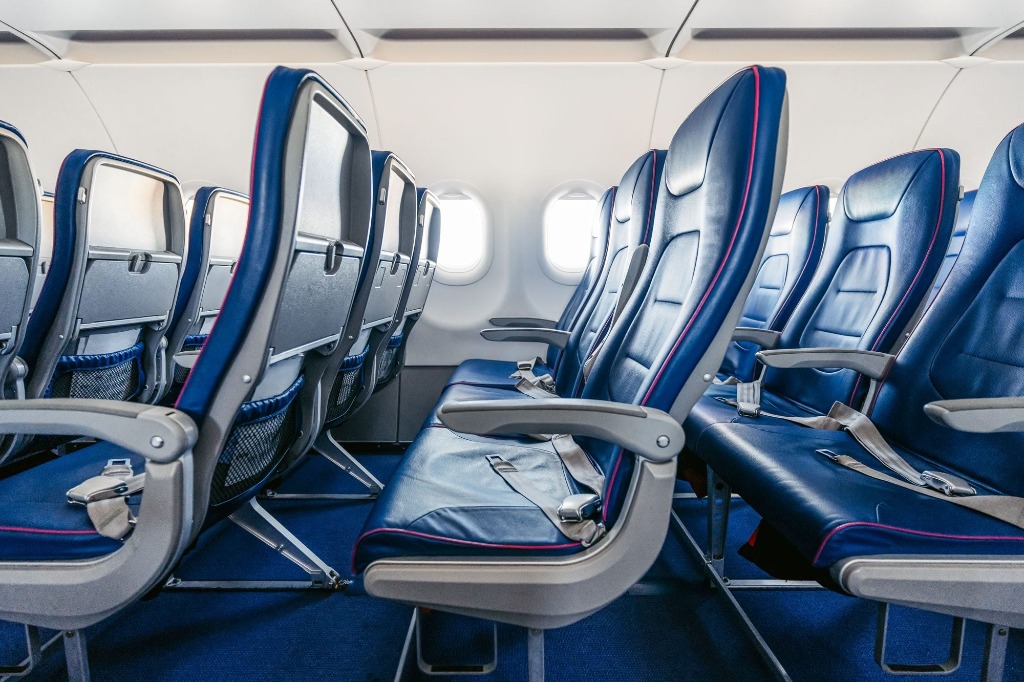
All industries AviationCabin interior parts released with EASA Form 1.
 MaritimeReplacement parts and tooling that keep vessels running.
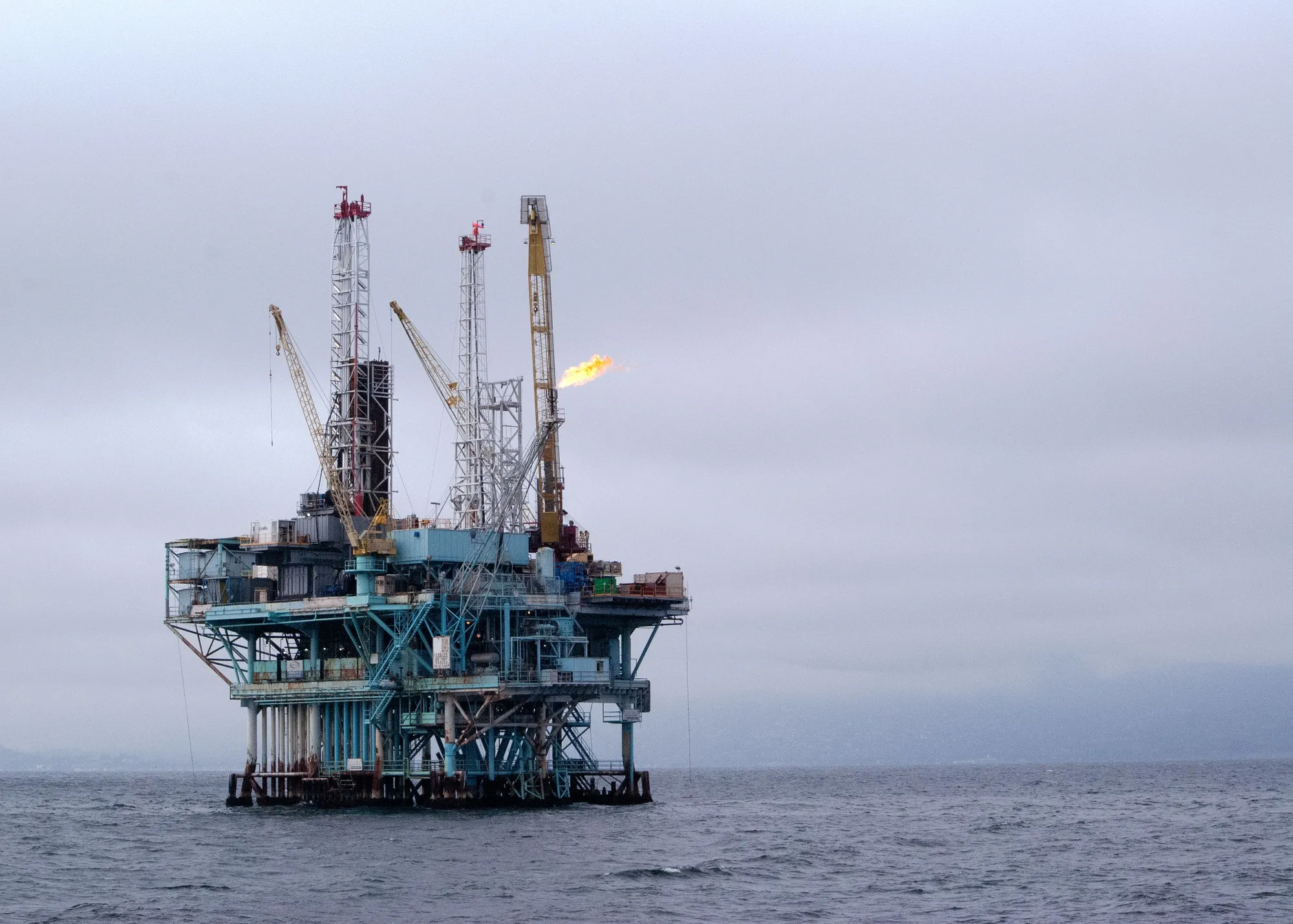 Oil & GasObsolete components rebuilt in polymer and metal.
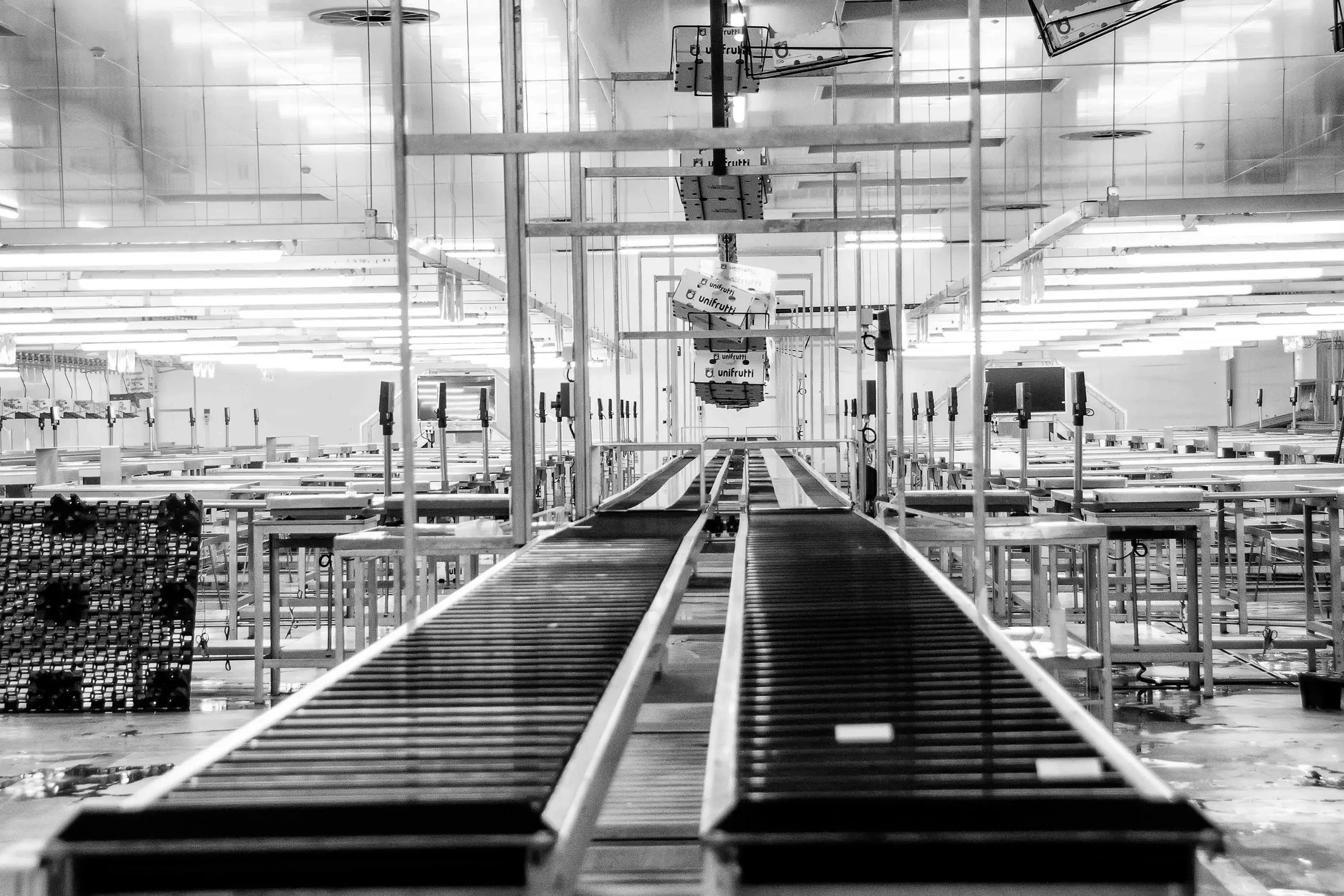 Industrial ManufacturingJigs, fixtures and end-use parts for the factory floor.
 Aerospace & DefenceControlled, local manufacture for sensitive programmes.
Company
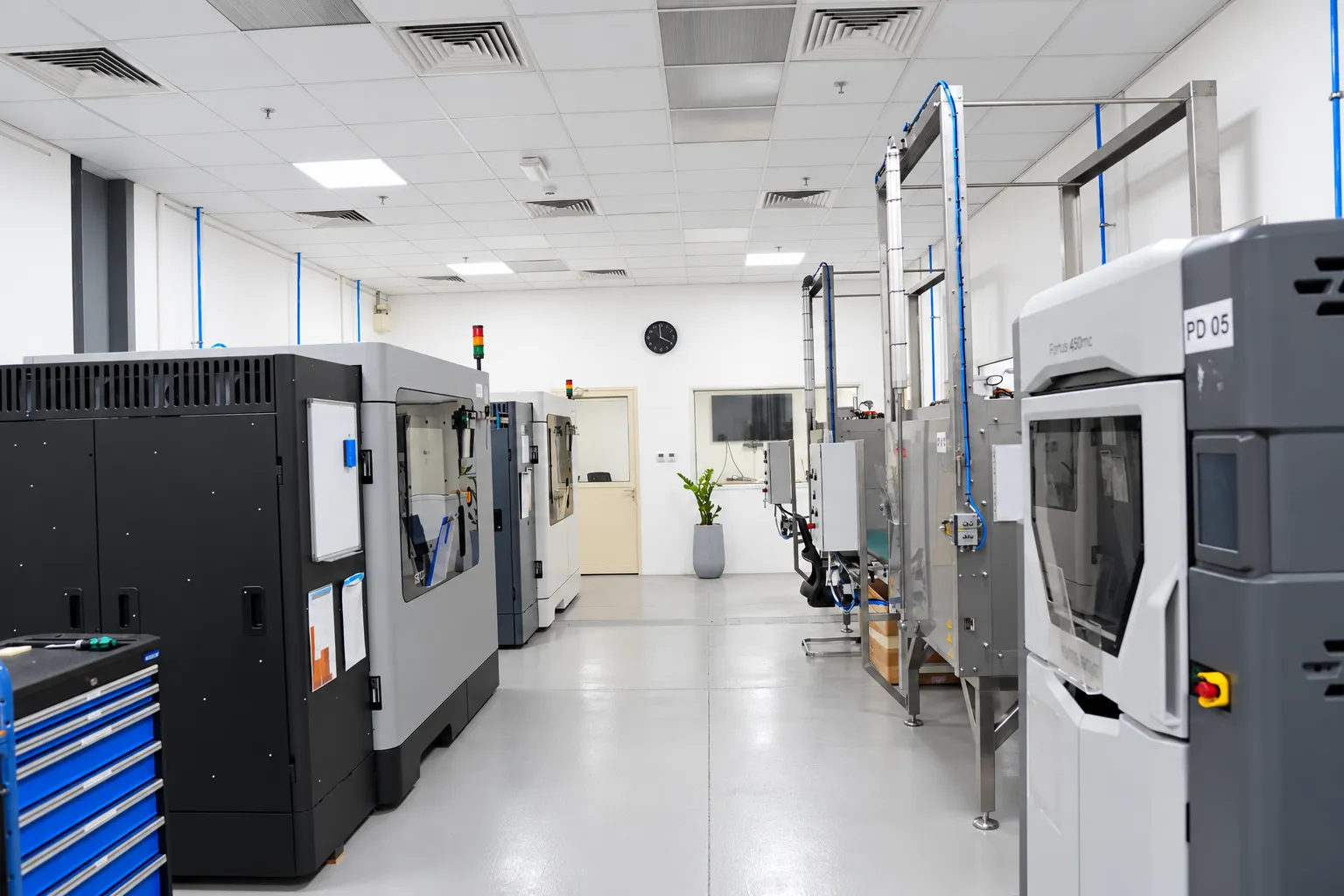
A 10,750 sq ft additive manufacturing facility in Jebel Ali, Dubai, since 2023.
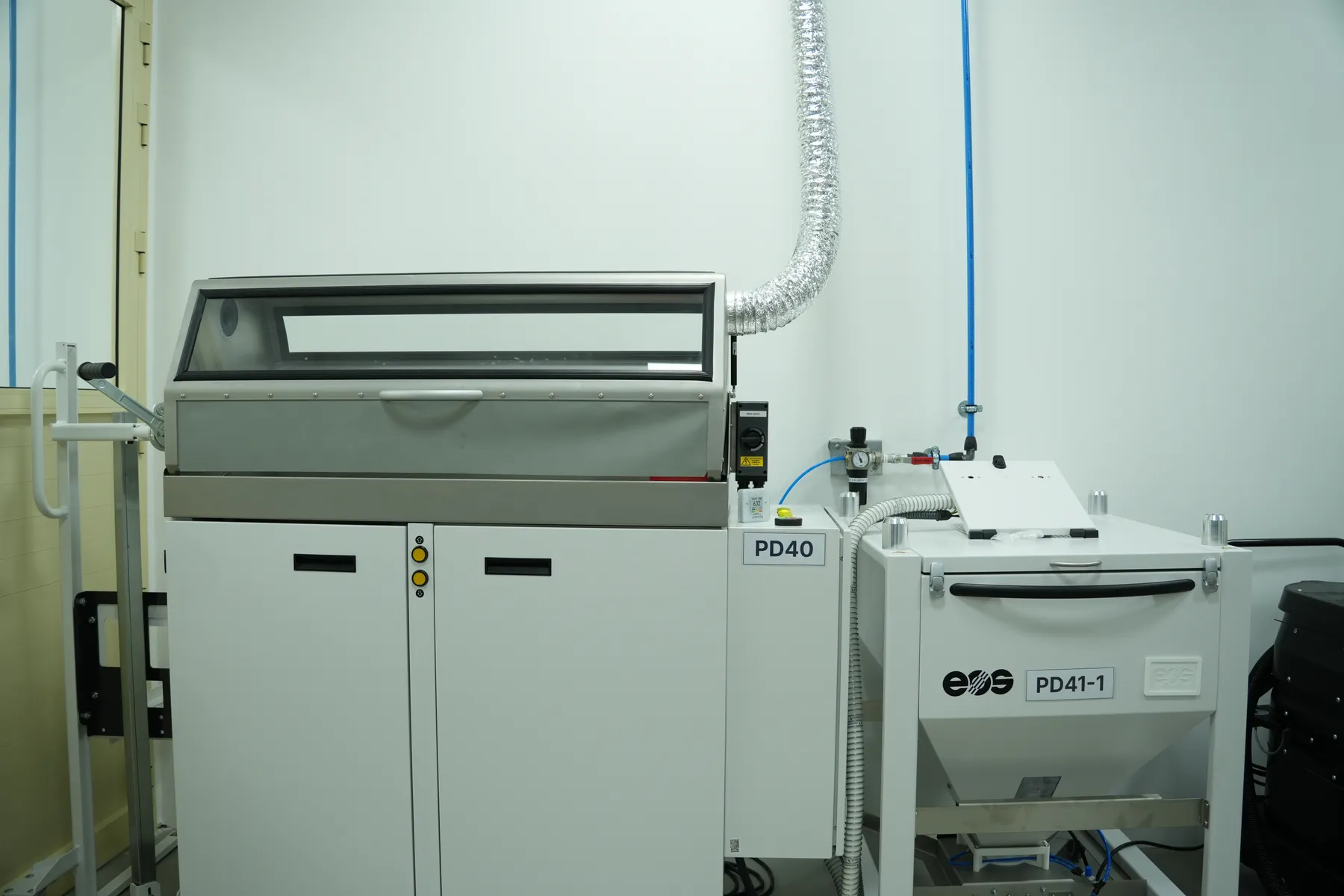
About Paradigm 3DSelective laser sintering for functional polymer parts. No support structures, so channels, clips and whole batches build in a single powder bed.
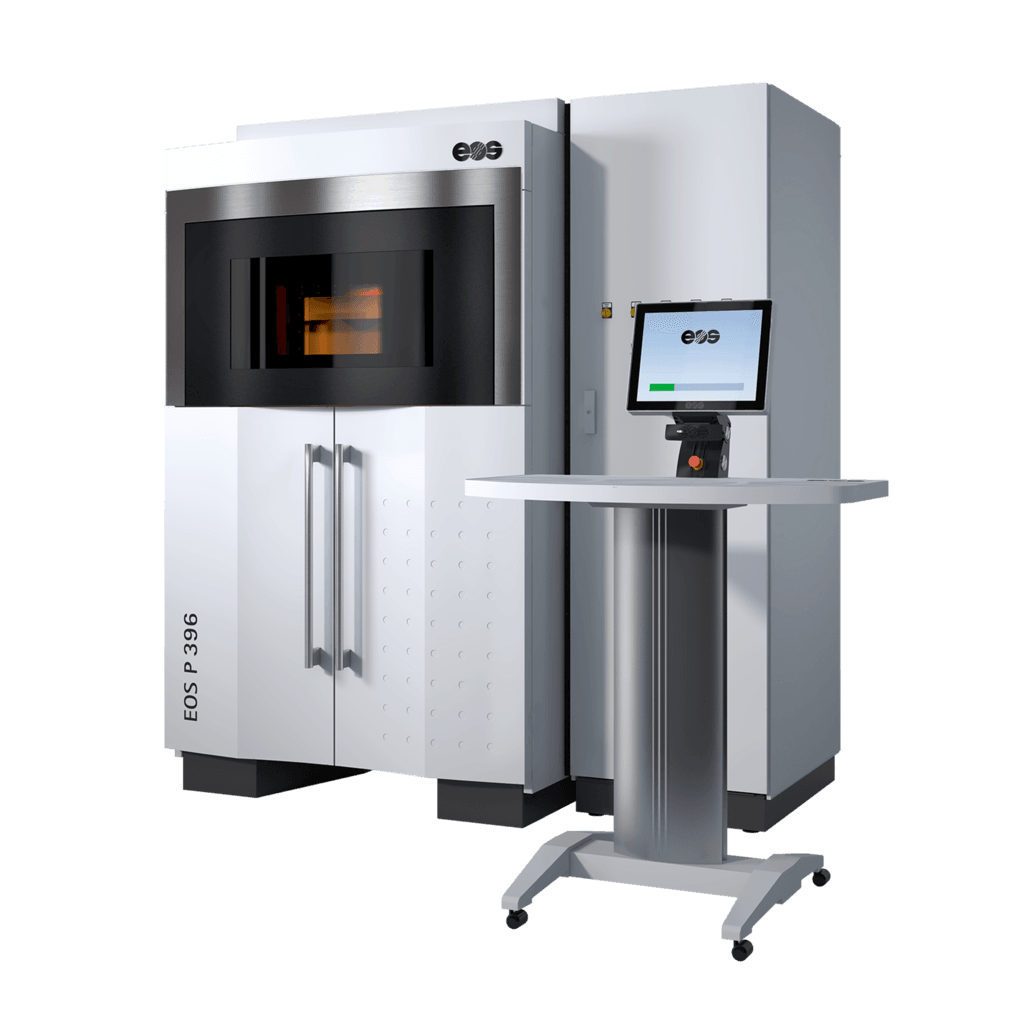
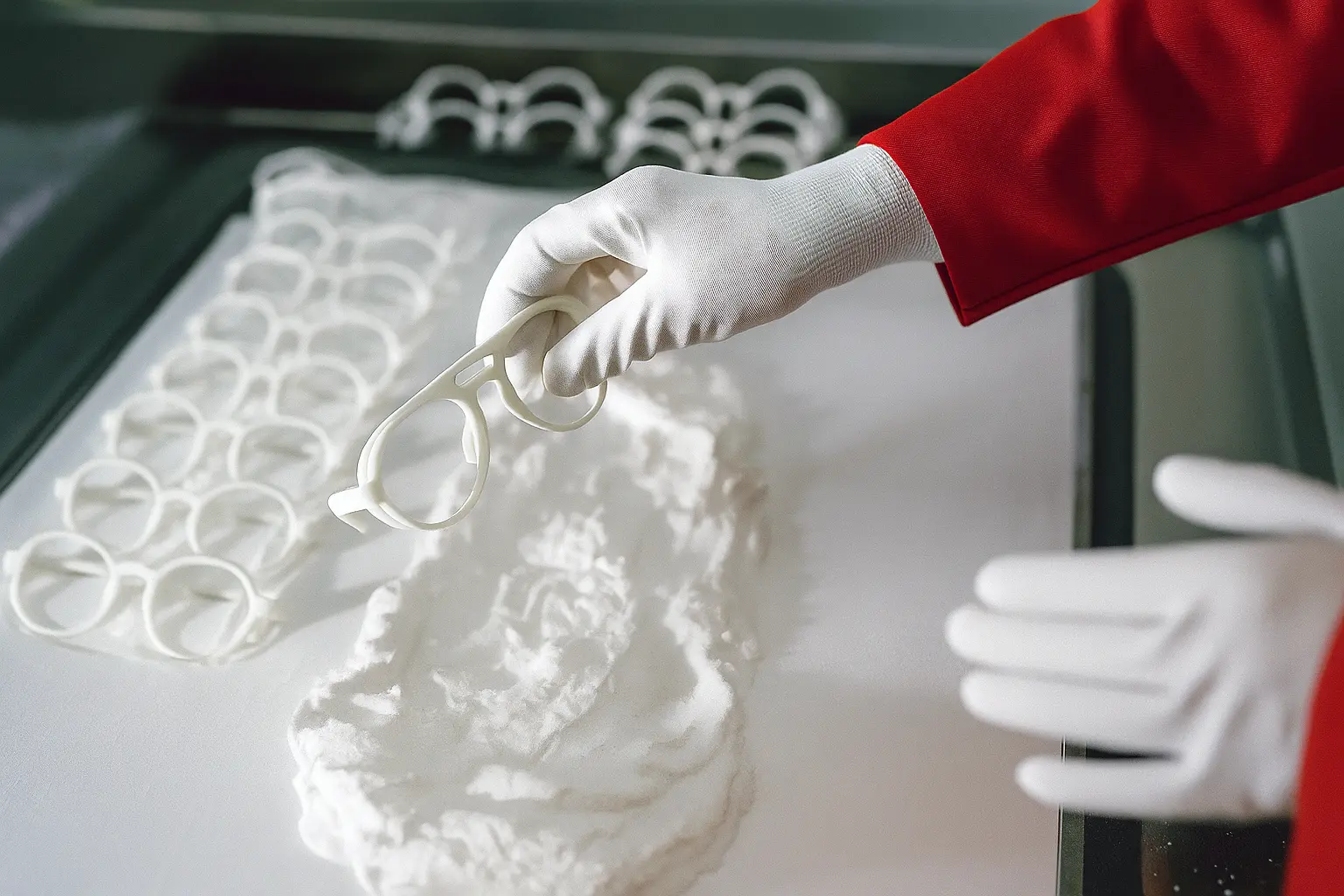
A CO₂ laser fuses polymer powder one cross-section at a time. The surrounding powder holds every part during the build, so complex nested batches and moving assemblies come out in one cycle.
Build capacity, a broad polymer portfolio and an industrial SLS workflow in one platform.
Surrounding powder supports parts during the build, so no printed supports are needed.
Pack many different parts into one 340 × 340 × 600 mm build volume.
A 70 W CO₂ laser, scan speeds up to 6 m/s and efficient recoating keep batches moving.
EOSCONNECT supports integration and digital monitoring across the workflow.
Small to mid-size functional parts, complex geometry and repeat batches.
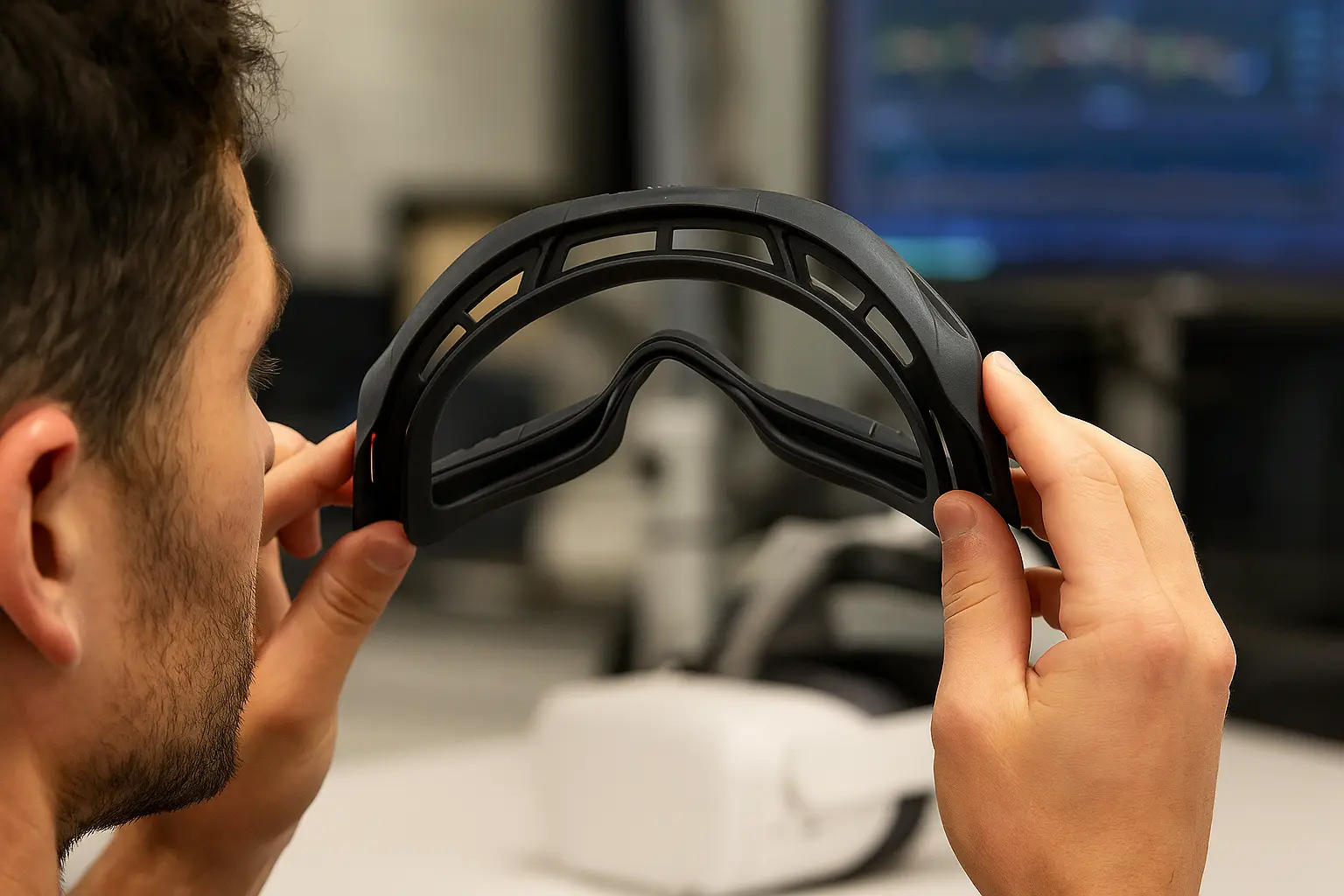
Thin walls, bosses and snap-fits in tough nylon, ready to assemble.
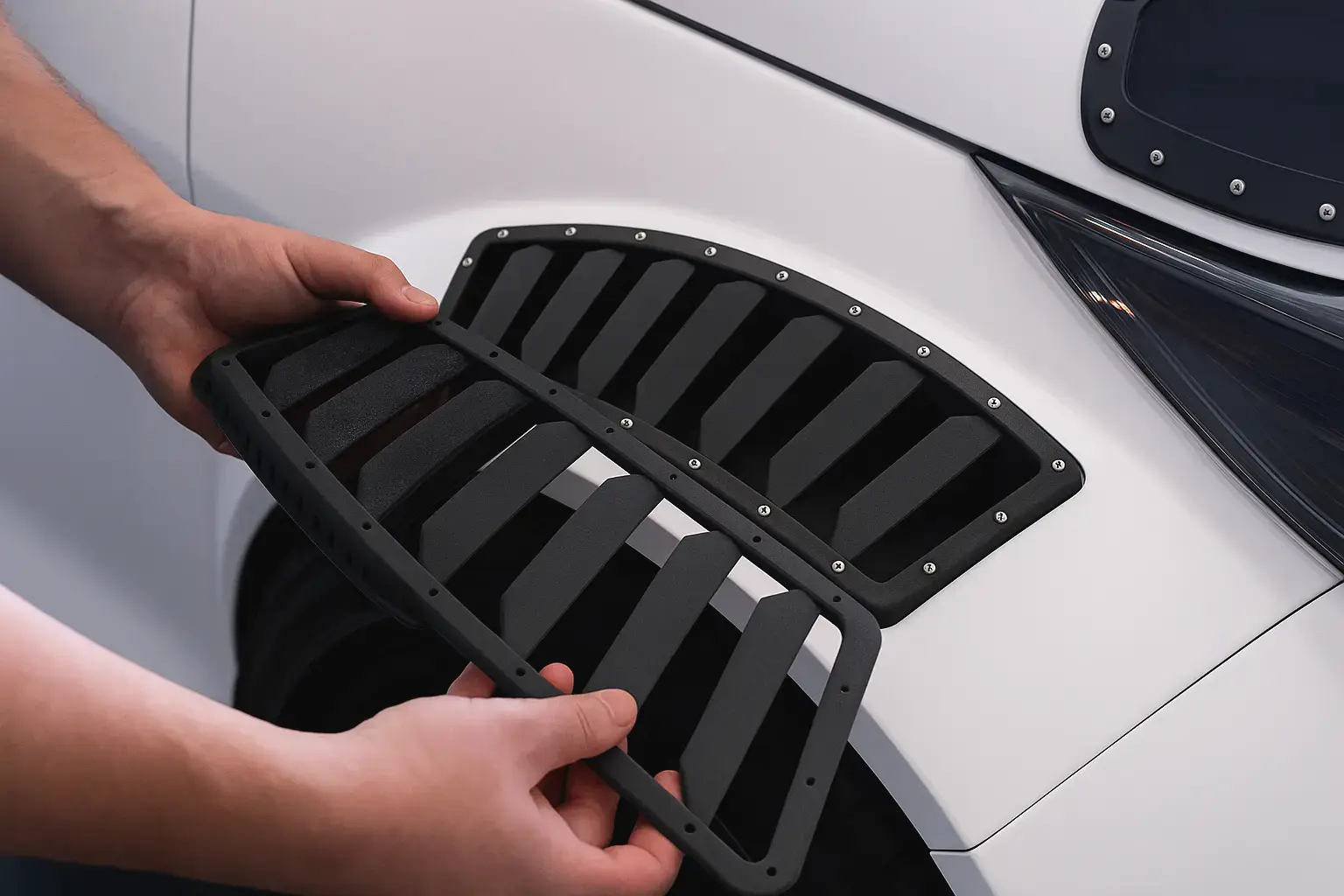
Curved channels and integrated features that would need several moulded parts.
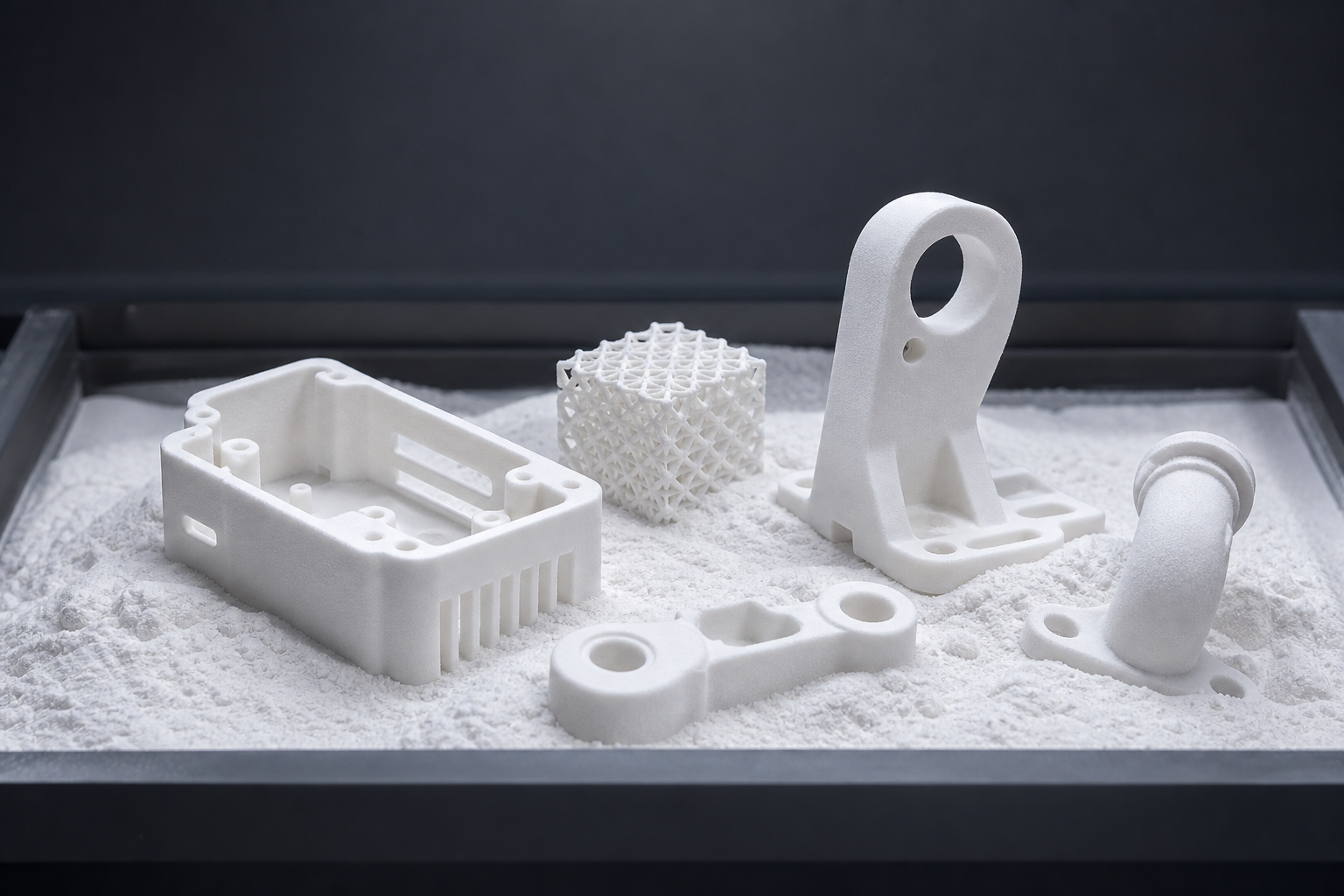
Repeat batches of small parts nested in one build, with no supports to remove.

Replacement parts produced from approved files when you need them, with no minimum order.
Values published by EOS for the EOS P 396. What a specific part achieves depends on its geometry, material and build set-up.
| Specification | Manufacturer value |
|---|---|
| Build volume | 340 × 340 × 600 mm |
| Laser | CO₂, 1 × 70 W |
| Scan speed | Up to 6 m/s |
| Layer thickness | 0.06–0.18 mm, material dependent |
| Build rate | Up to 3.0 l/h* |
| System size | 1,840 × 1,175 × 2,100 mm |
| System weight | Approx. 1,060 kg |
*Manufacturer-stated value. All values are manufacturer specifications for the system, not guaranteed results for an individual part.
PA 11 and PA 12 grades, flame-retardant and glass-filled options, Alumide and flexible TPU and TPE.
| Material | Key property | Typical use |
|---|---|---|
| PA 1101 | Ductility | Snap-fit and impact-loaded components |
| PA 2200 | Balanced mechanical performance | Housings, clips and spare parts |
| PA 2200 CarbonReduced | Balanced PA12 performance | Functional polymer parts |
| PA 2201 | White colour and balanced strength | Housings and functional models |
| PA 2210 FR | Flame-retardant formulation | Transportation and electronics components |
| PA 2241 FR | Flame-retardant formulation | Transportation parts and housings |
| PA 3200 GF | Stiffness and abrasion resistance | Machine housings and tools |
| Alumide | Stiffness and metallic finish | Display and functional components |
| EOS TPU 1301 | Elasticity | Flexible interfaces and lattices |
| ALM FR-106 | Flame performance | Functional transportation parts |
| ALM HP 11-30 | Functional toughness | Production polymer components |
| ALM PA 640 GSL | Stiffness | Technical housings |
| ALM TPE 410 | Flexibility | Flexible functional parts |

The official EOS video of the P 396 polymer system and the parts it produces.
The machine is one step. Engineering, finishing and inspection happen under the same roof, with one point of contact.
A CAD file, a drawing, or photos and the old part. Tell us what it does and how many you need.
An engineer confirms the EOS P 396 is the right machine, recommends the material and sends price and date.
We orient, nest and build the part, keeping the build record with the job.
Powder comes off, the part is finished as specified and critical dimensions are checked.
Every part is made on our own machines in Jebel Ali. We choose the process by the part, not by the machine that happens to be free.
Anything else? See all FAQs
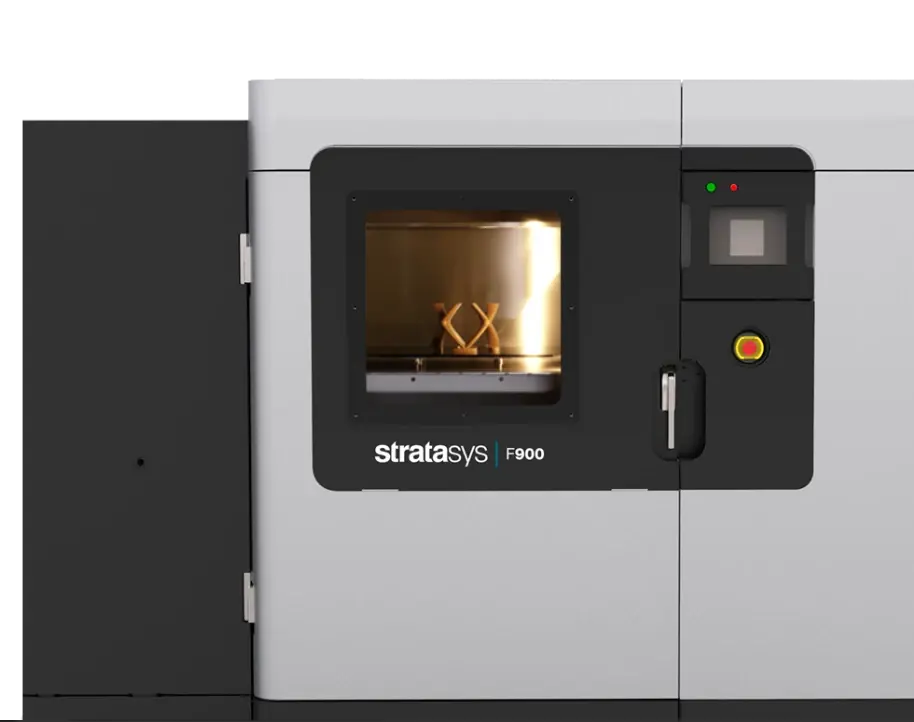
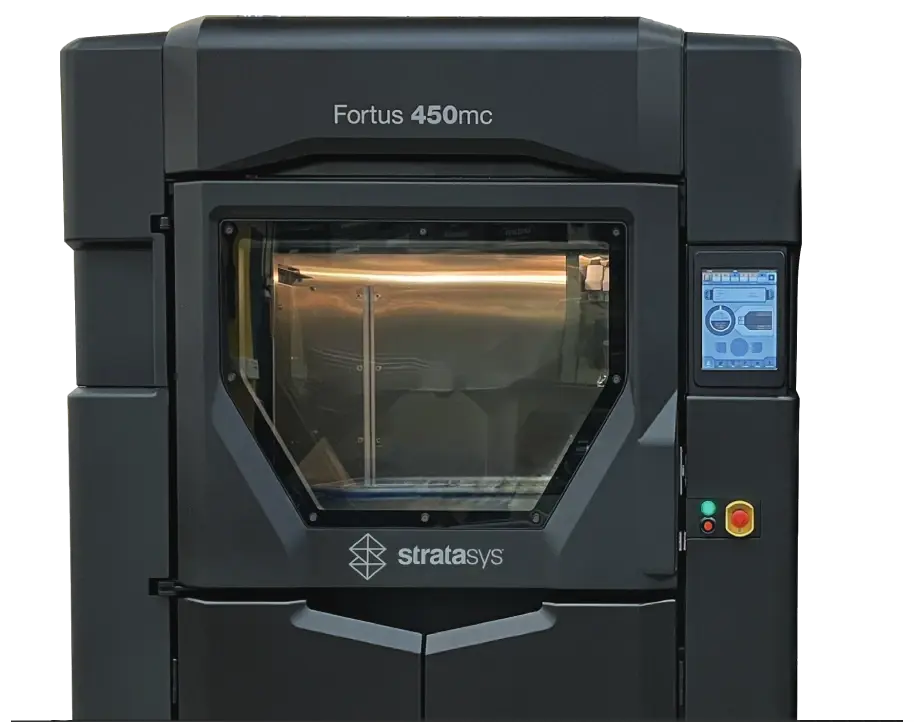
SLS suits complex small to mid-size parts, internal channels and batches, because nothing needs supports. FDM suits larger parts and high-temperature grades such as ULTEM™. Tell us what the part does and we recommend the process.
Yes. Our library includes PA 2210 FR, PA 2241 FR and ALM FR-106. Any certification your application requires is confirmed per order.
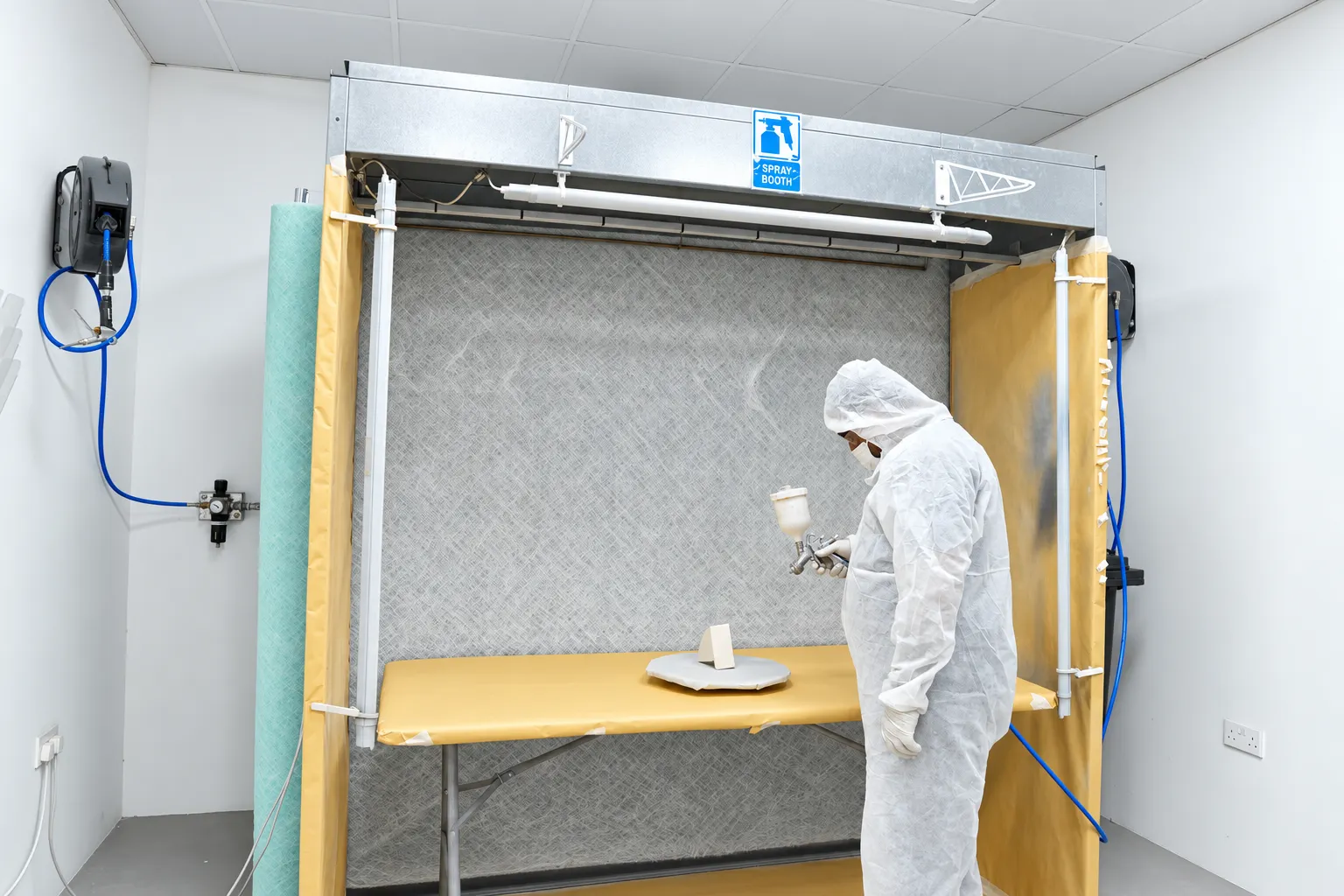
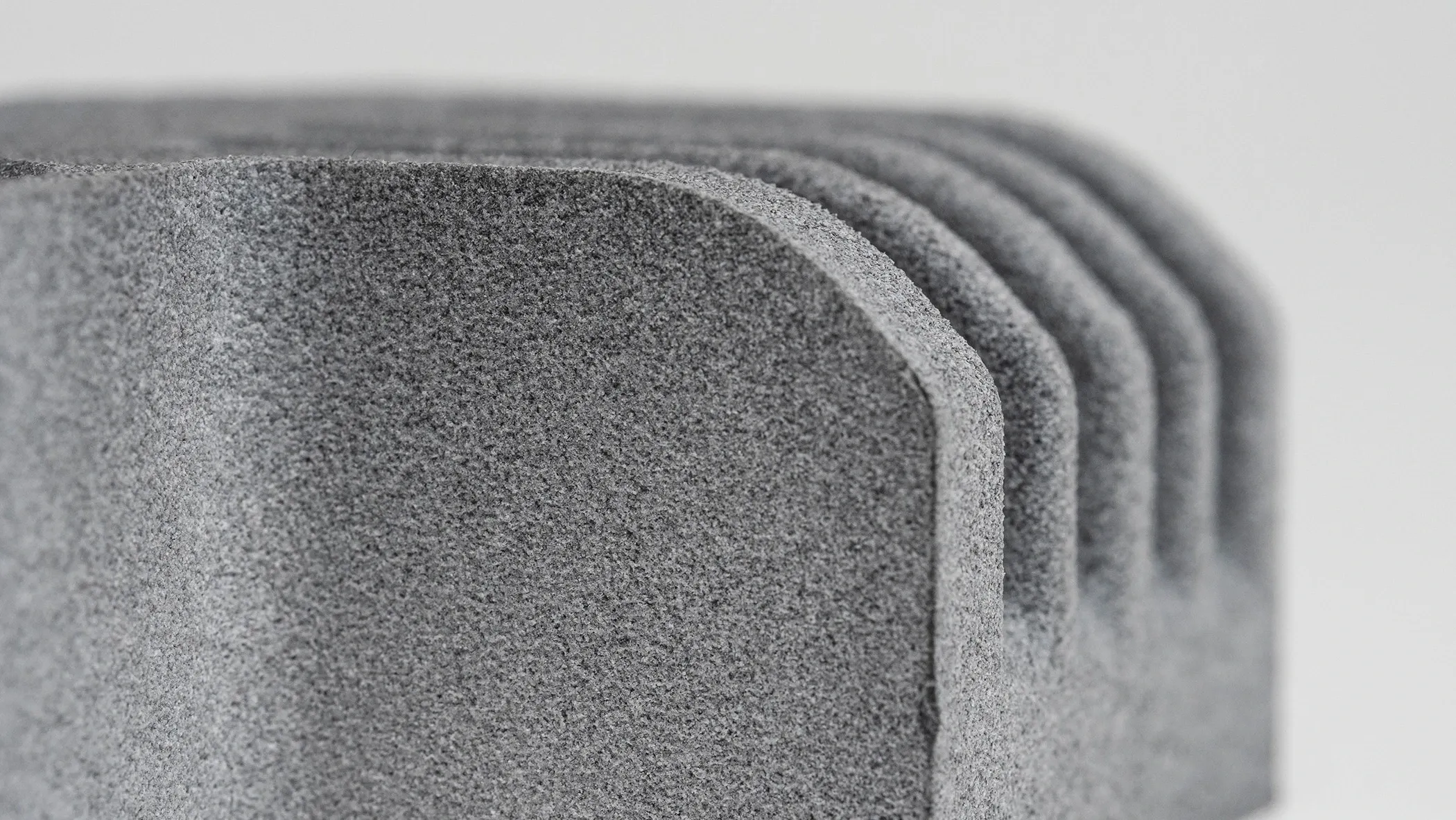
Parts come out with a matte, slightly textured surface once the powder is removed. We can sand, prime and paint parts to your colour standard.
Anything from a single part to a full build of nested components. Quantity, part size and cooling time determine how many fit in one 340 × 340 × 600 mm build.
Send a drawing, a CAD file, or photographs and the old part. Tell us what it does, how many you need and when.